How Private Cultural Tours Guatemala Work: A More Intentional Way to Travel
Key Takeaways
- Private cultural tours in Guatemala prioritize depth, flexibility, and meaningful access over rigid sightseeing schedules.
- Experiences are shaped through relationships with local communities, guides, artisans, and families.
- Travelers enjoy a balance between cultural immersion, comfort, and thoughtful pacing.
- Smaller, community-led experiences allow for more authentic encounters and less crowded environments.
- Martsam designs private journeys that combine cultural integrity with refined travel through Substantia, its house of luxury travel.
- Guatemala's living Maya traditions continue to shape daily life through food, language, ceremonies, music, and connection to land.
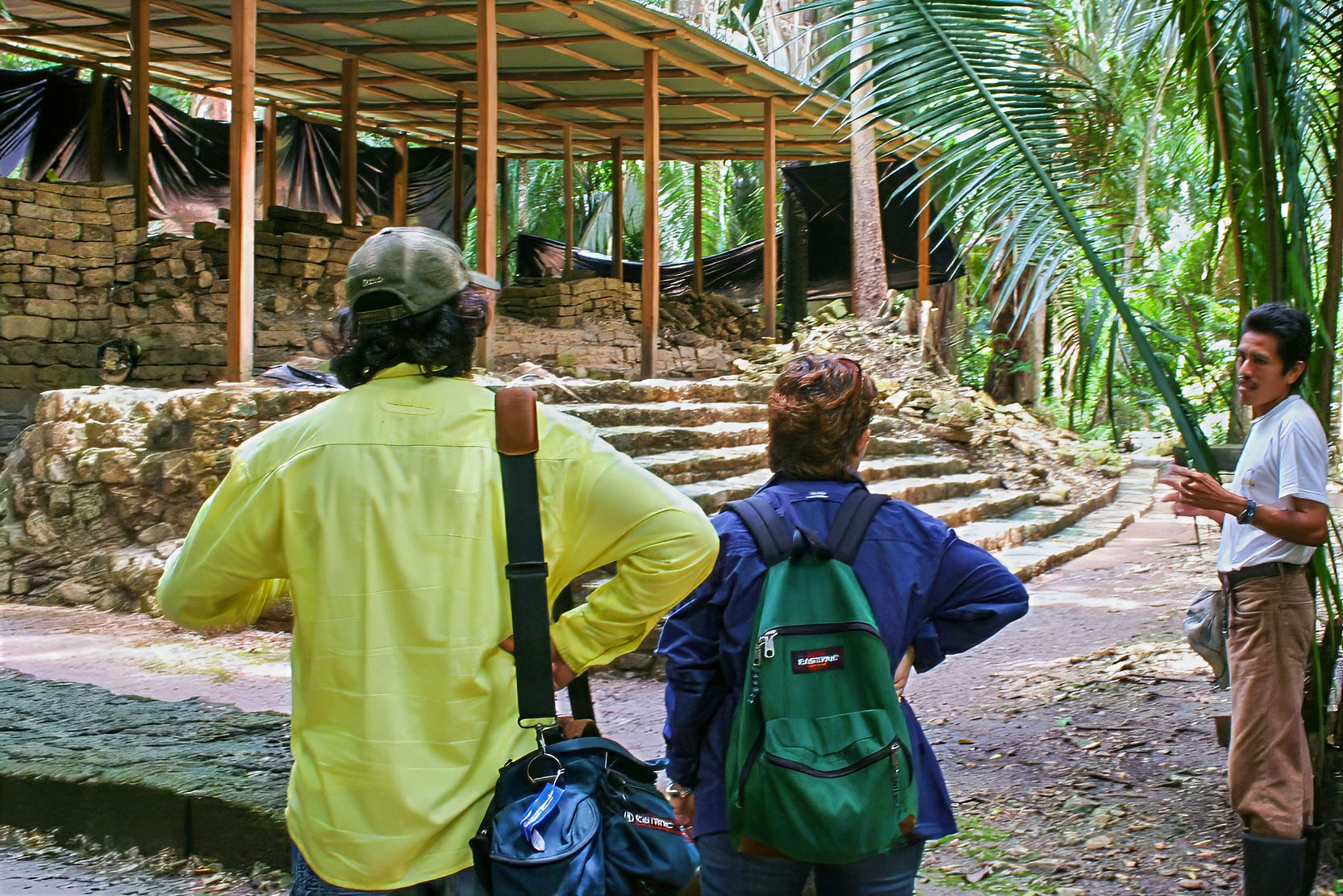
Travel in Guatemala can unfold in many ways.
For some, it becomes a checklist of ruins, viewpoints, and markets. For others, it becomes something slower and more personal, an experience shaped by conversations, shared meals, quiet ceremonies, and time spent inside communities rather than simply passing through them.
Private cultural tours in Guatemala are not defined by exclusivity alone, but by the quality of access, pacing, and relationships behind each experience.
The difference is not only where you go.
It is how you move through the country, who welcomes you, and how much space exists for genuine connection.
Why Travelers Are Choosing Private Cultural Tours Guatemala
Many travelers are moving away from fast-paced group tourism in search of something more intentional.
Large tours often prioritize efficiency:
- multiple stops in one day
- limited flexibility
- little time for reflection
- surface-level interactions
Private cultural travel creates a different rhythm.
Instead of moving quickly from one attraction to another, the experience unfolds gradually. There is time to linger in meaningful places, adjust the pace of the day, and let conversations or unexpected moments naturally shape the journey.
This slower approach often creates stronger memories:
- sharing tortillas beside a family stove
- hearing Kaqchikel spoken during everyday moments
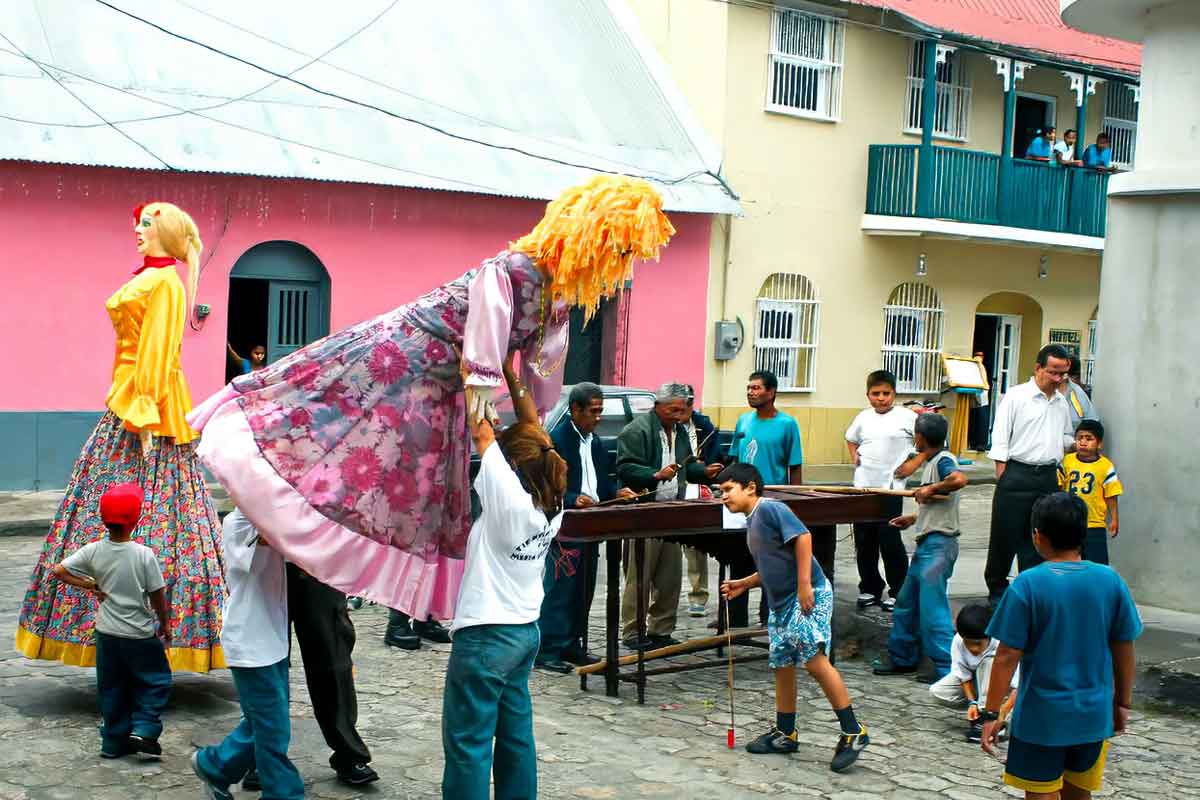
- listening to marimba music at a village gathering
- learning why certain ceremonial places remain sacred today
For travelers seeking meaningful cultural immersion, privacy becomes less about luxury and more about creating space for understanding.
What "Private" Really Means
Private travel in Guatemala does not simply mean having a private vehicle or guide.
It means:
- flexibility
- fewer people
- quieter access
- room for spontaneity
- deeper cultural exchange
A private experience allows travelers to move at a human pace. Days can shift naturally depending on the weather, ceremonies, market activity, or the group's interests.
You may spend more time:
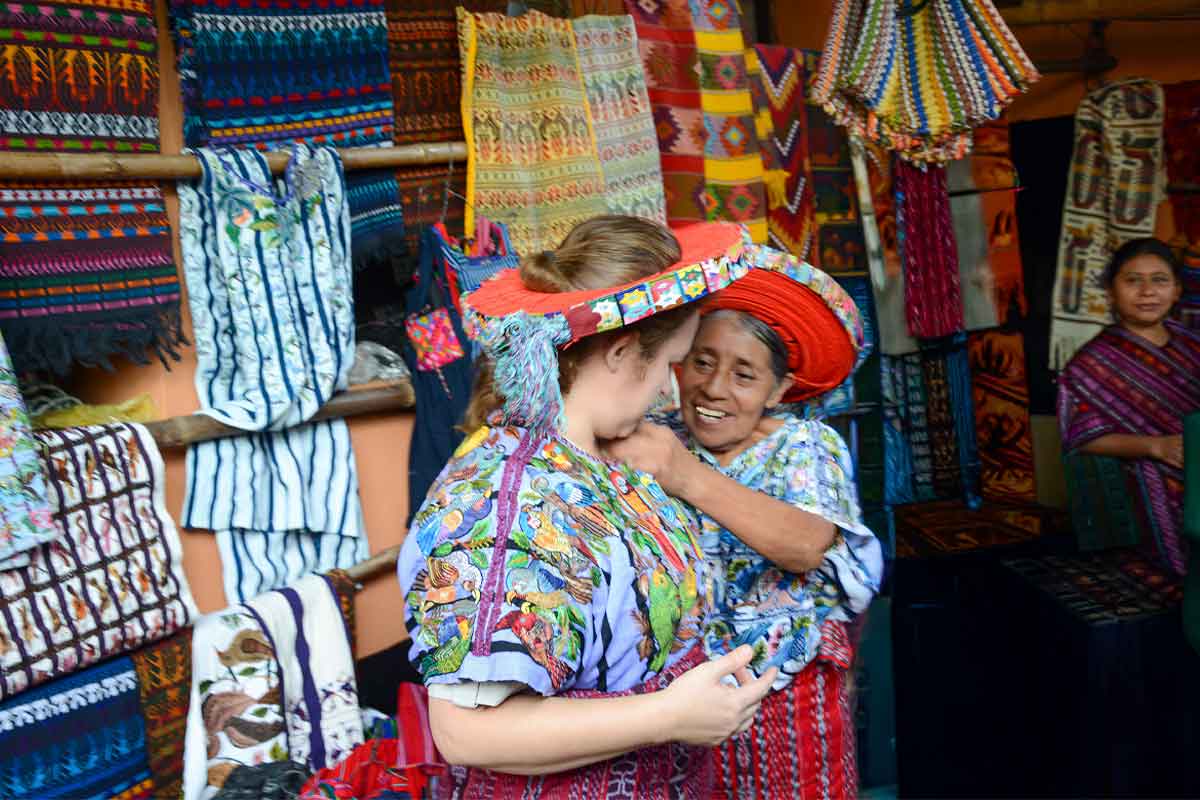
- in a weaving workshop because the conversation becomes meaningful
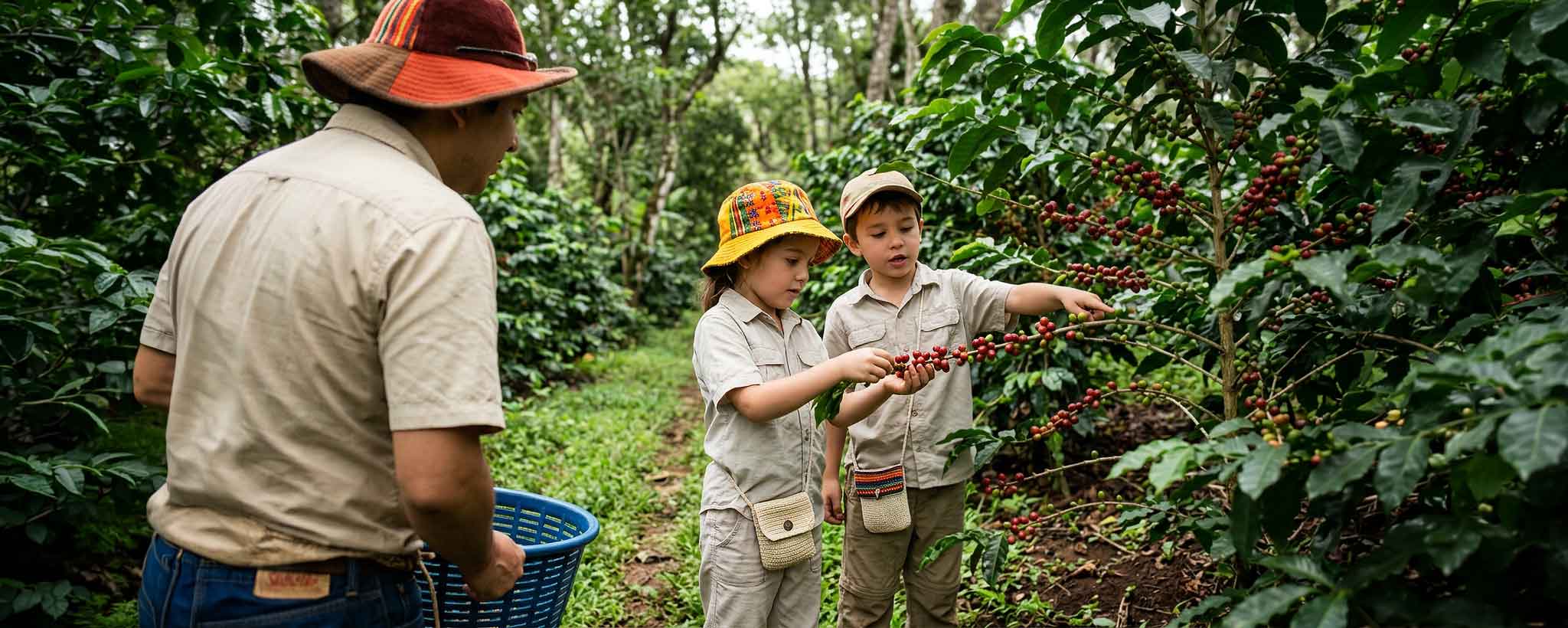
- walking through cultivated land with a local host
- listening to stories that were never part of the itinerary
This flexibility creates the possibility of unscheduled moments.
A More Intentional Pace of Travel
One of the most overlooked luxuries in modern travel is time.
Private cultural tours Guatemala are designed with a more balanced rhythm:
- slower mornings
- meaningful transitions between destinations
- fewer rushed activities
- space for observation and rest
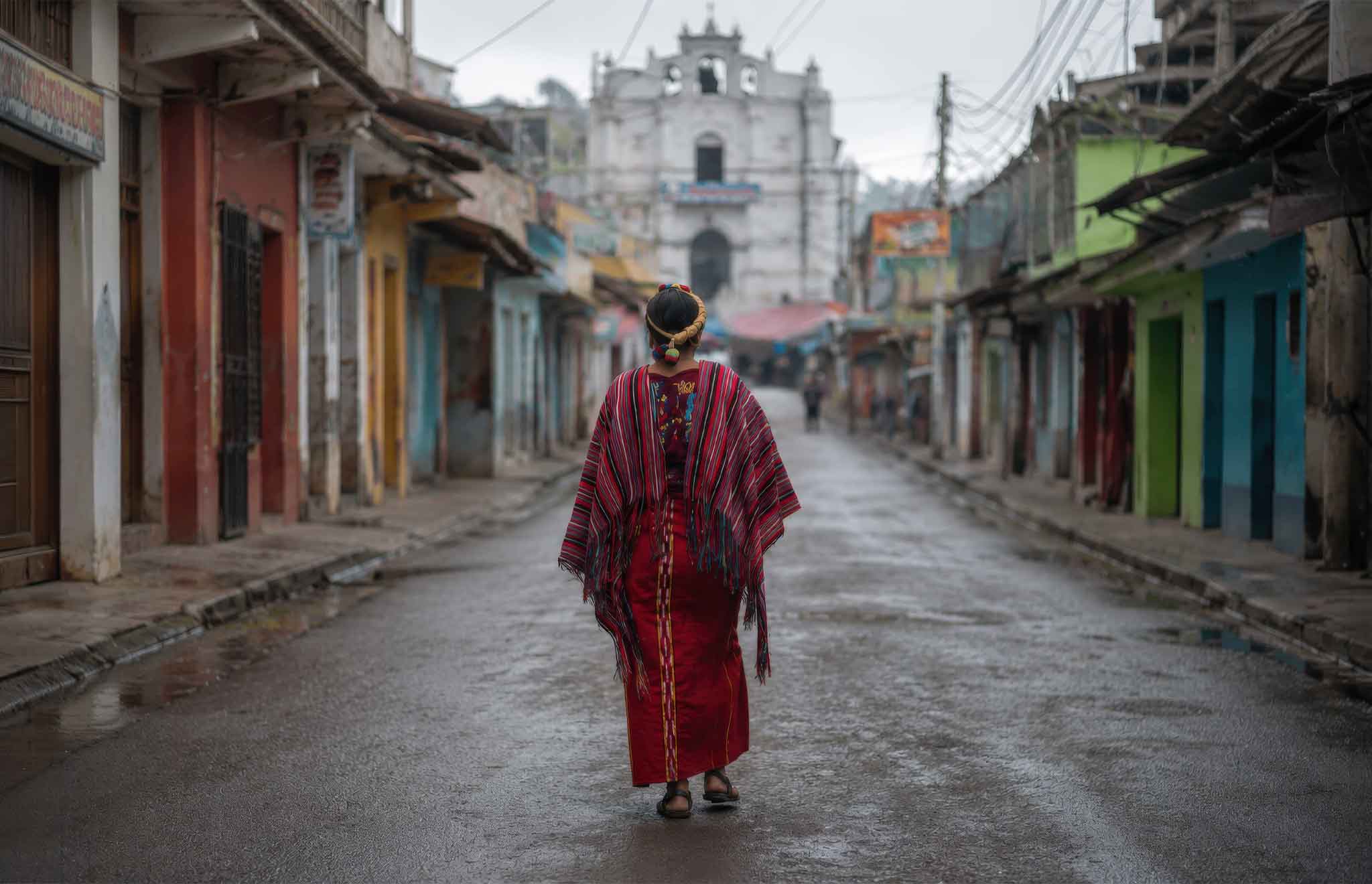
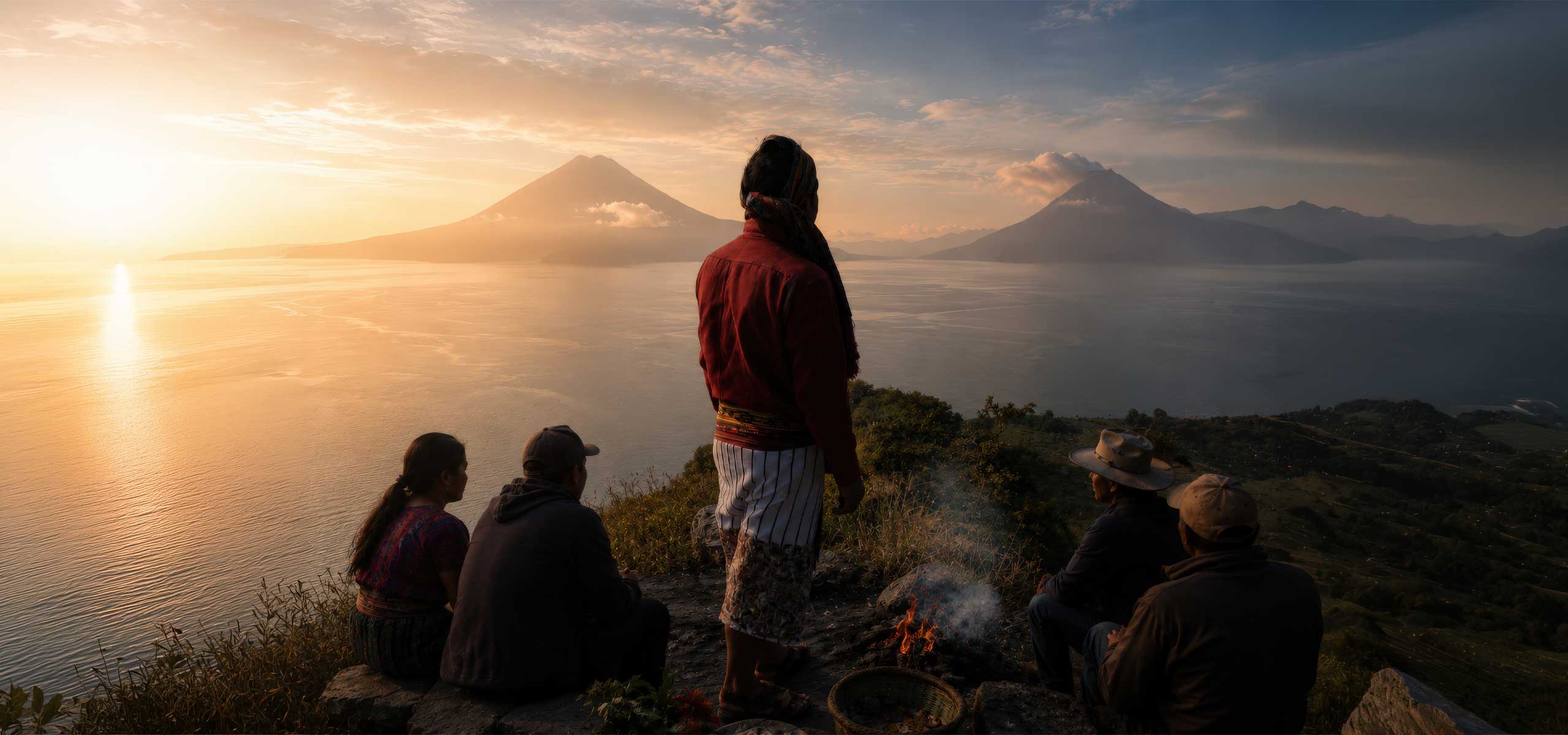
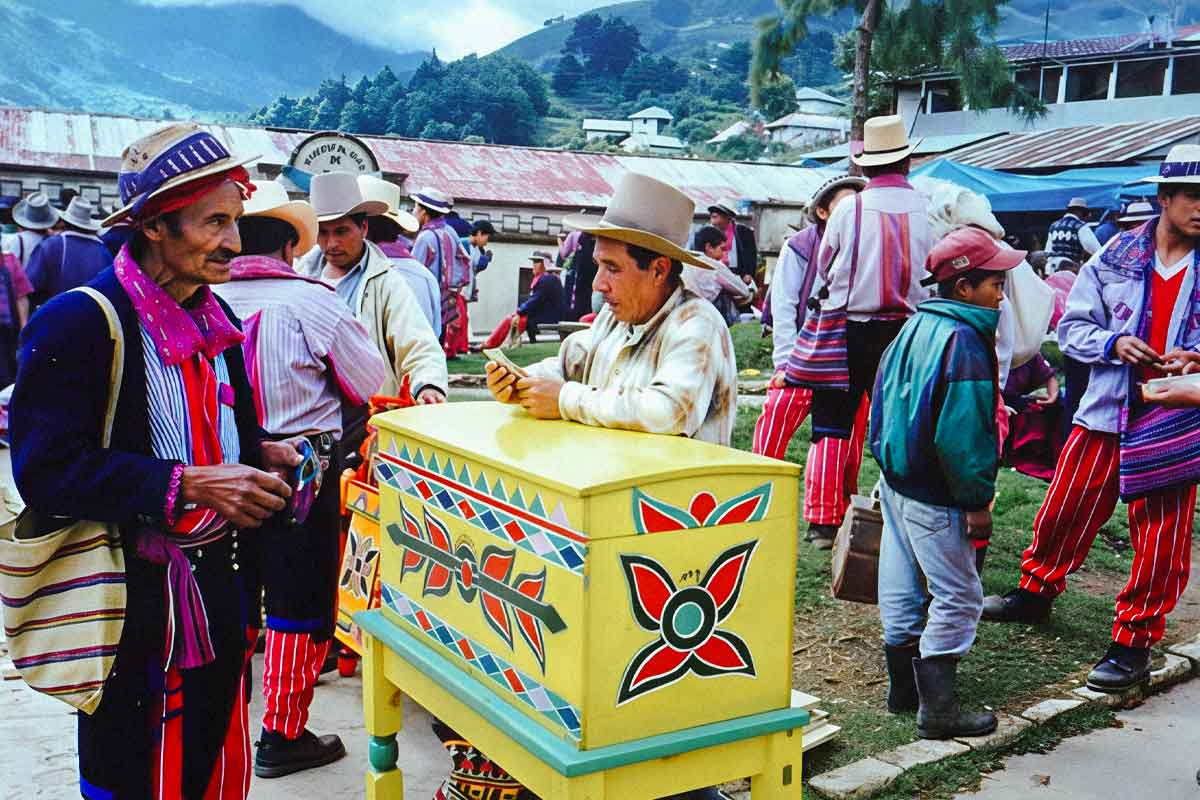
A day may begin with coffee overlooking Lake Atitlán before visiting a small community where traditional clothing still reflects identity, family lineage, and geography.
Lunch may happen in a local home kitchen rather than a commercial restaurant.
Afternoons might include:
- cacao preparation
- music sessions
- visits to sacred sites
- conversations with local artisans
- quiet free time to absorb the experience
This pacing allows travelers to experience Guatemala more deeply without feeling constantly on the move.
Experiences That Shape the Journey
No two journeys unfold in the same way, but certain experiences continue to define meaningful cultural travel in Guatemala.
Living Language
In communities around Lake Atitlán and the highlands, languages such as Kaqchikel, Tz'utujil, and Quiché remain part of everyday life.
Travelers may learn:
- simple greetings
- respectful expressions
- words connected to family, land, or ceremony
Language becomes more than communication—it becomes a way of understanding worldview.
Food as Cultural Memory
Traditional Guatemalan food reflects generations of knowledge connected to agriculture, seasonality, and ceremony.
Experiences may include:
- grinding cacao
- preparing tortillas by hand
- learning ancestral recipes
- visiting local markets
- Understanding the role of maize within Maya life
Food is approached not as performance, but as continuation.
Music and Healing Through Sound
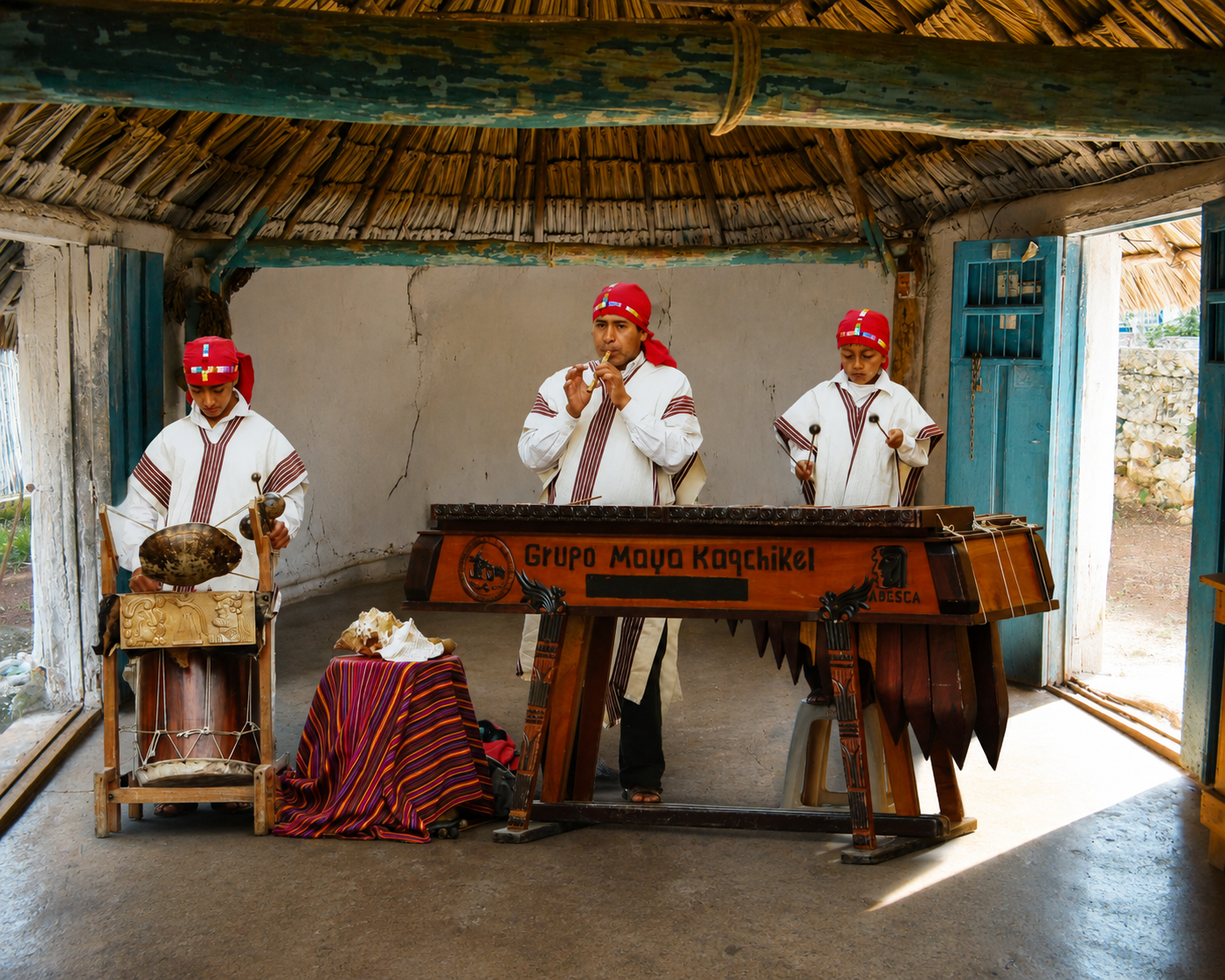
Traditional instruments such as:
- marimba
- drum
- chirimía
- flute
- guitar
continue to hold ceremonial and communal significance.
In some communities, music is understood not only as art but also as a means of emotional and spiritual connection.
Ceremonies and Sacred Places
Private cultural journeys may include opportunities to respectfully witness or participate in ceremonies guided by Maya spiritual leaders.
These experiences are approached carefully:
- with permission
- cultural context
- and clear guidance
Ceremonial spaces are not attractions. They remain active places of prayer, gratitude, balance, and remembrance.
Travelers are encouraged to arrive with openness rather than expectation.
Medicinal Plants and Ancestral Knowledge
Many communities continue to preserve extensive knowledge surrounding medicinal plants, healing practices, and the relationship between health and land.
Experiences may include:
- walks through medicinal gardens
- learning about native plants
- visiting grandmother healers
- Understanding the temazcal as an ancestral form of medicine
These encounters often reveal how closely cultural identity and environmental stewardship remain connected.
Beyond the Usual Tourist Routes
Most visitors to Lake Atitlán follow similar routes:
- San Juan La Laguna
- Santiago Atitlán
- Panajachel
While these places remain culturally important, Guatemala also holds many lesser-visited communities where traditions continue quietly, outside the rhythm of mass tourism.
Through long-term relationships with local families and community leaders, Martsam creates access to places rarely included in standard itineraries.
These experiences are shared intentionally and with consent.
The goal is not to "discover hidden places," but to support meaningful cultural exchange while protecting the integrity of the communities involved.
Comfort Without Disconnection
Thoughtful travel does not require sacrificing comfort.
Through Substantia, Martsam's house of luxury travel, journeys are designed to balance:
- cultural depth
- privacy
- comfort
- and seamless logistics
This may include:
- boutique accommodations
- private transportation
- carefully paced itineraries
- personalized experiences
- flexible scheduling
The emphasis remains on creating calm, well-supported journeys that allow travelers to stay present rather than overwhelmed.
Luxury, in this context, is not excess.
It is the ability to travel with care, privacy, and intention.
How Martsam Designs These Experiences
Meaningful cultural travel depends on relationships.
Experiences are created through ongoing collaboration with:
- families
- artisans
- spiritual guides
- local leaders
- community hosts
This approach allows experiences to evolve naturally over time rather than becoming fixed tourism products.
Some activities may change according to:
- ceremonies
- agricultural cycles
- weather
- or community priorities
That flexibility helps preserve authenticity while ensuring communities remain in control of how their culture is shared.
Who Are These Journeys Best For
Private cultural tours Guatemala are especially meaningful for travelers who value:
- slower travel
- cultural depth
- thoughtful conversation
- flexibility
- and human connection
These journeys often resonate with:
- couples
- mature travelers
- photographers
- artists
- culturally curious travelers
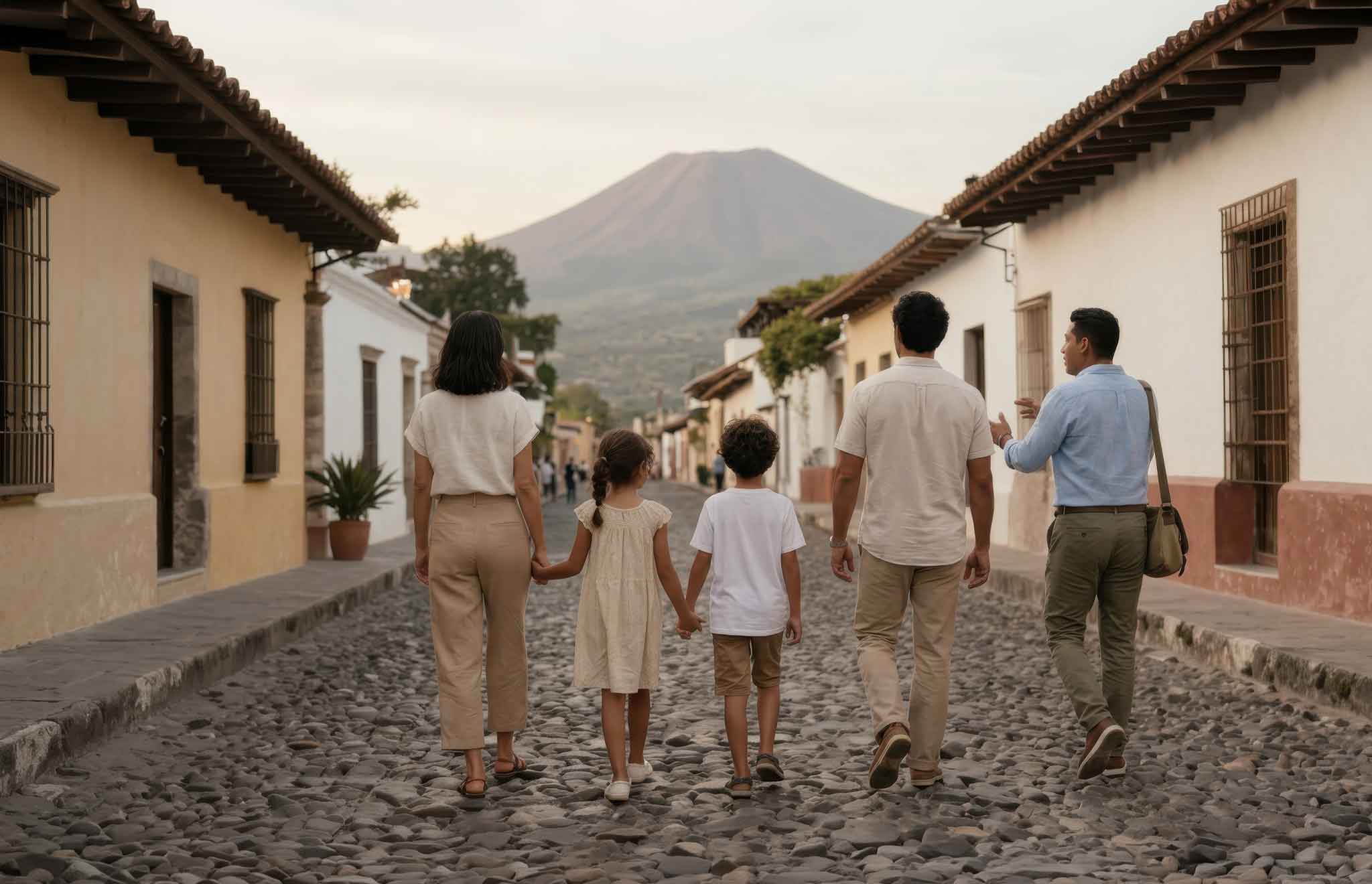
- families seeking meaningful experiences
- Travelers exploring heritage and identity
They may be less suitable for travelers focused primarily on:
- nightlife
- fast-paced sightseeing
- adventure-heavy itineraries
- highly structured group travel
Practical Questions Before You Travel
Are private cultural tours customizable?
Yes. Each itinerary can be adapted according to:
- pace
- interests
- comfort preferences
- cultural focus
- and travel duration
Are these tours comfortable?
Yes. Journeys are designed to balance immersion with comfort through carefully selected accommodations and transportation.
Are ceremonies open to visitors?
Some are, depending on context and community guidance. Participation is always approached respectfully and never assumed.
Do I need previous knowledge of Maya culture?
No. Experiences are designed to be accessible while still offering depth and meaningful context.
Are these tours safe?
Private tours are led by experienced local guides familiar with the communities, regions, and logistics involved.
Conclusion
Private cultural tours Guatemala offer something increasingly rare in modern travel:
the possibility of moving slowly enough to connect truly.
Not only with landscapes or traditions, but with people, stories, and ways of life that continue to shape the country today.
The most meaningful experiences are often not the loudest ones.
They are the conversations that unfold naturally.
The quiet moments beside a ceremony.
The invitation into a family kitchen.
The feeling of being received rather than served.
For travelers seeking a more intentional way to experience Guatemala, these journeys offer depth, perspective, and a lasting sense of connection.