

Guatemala Archaeology Tours
Plan private Guatemala archaeology tours around Tikal, Yaxha, deeper Maya sites, El Mirador by helicopter, and carefully routed Maya World extensions.
Guatemala Archaeology Tours
Guatemala offers far more than a single visit to Tikal. Its archaeology spans forest cities, highland centers, Pacific-slope exchanges, and eastern monuments.
At Martsam, we plan private Guatemala archaeology tours around your interests, time, and preferred pace. We arrange the guiding, transport, accommodation, and practical details that bring the journey together.
For a first journey, Tikal and Yaxha form the foundation. A more detailed journey stays longer in Petén or follows Guatemala's broader archaeological story. El Mirador by helicopter offers a specialized experience. Copán, Belize, and Chiapas belong to longer Maya World journeys.
Tell us what interests you most, how much time you have, and how active you want the journey to be.
Choose the right depth for your archaeology journey
Your first Guatemala archaeology journey
Begin with Tikal and Yaxha on separate visits. This route gives each site enough time and creates a strong introduction to Petén archaeology.
A deeper journey through Guatemala
Stay longer in Petén with Uaxactun. Alternatively, follow a wider journey through Guatemala City, the highlands, the Pacific slope, eastern Guatemala, and Petén.
El Mirador by helicopter
Martsam operates a dedicated helicopter tour to El Mirador for travelers who prefer not to make the multi-day trek. See the dedicated El Mirador helicopter tour.
Maya World extensions
After Guatemala, continue to Copán, Belize, or Chiapas. Each extension needs additional time and a route that follows the geography naturally.
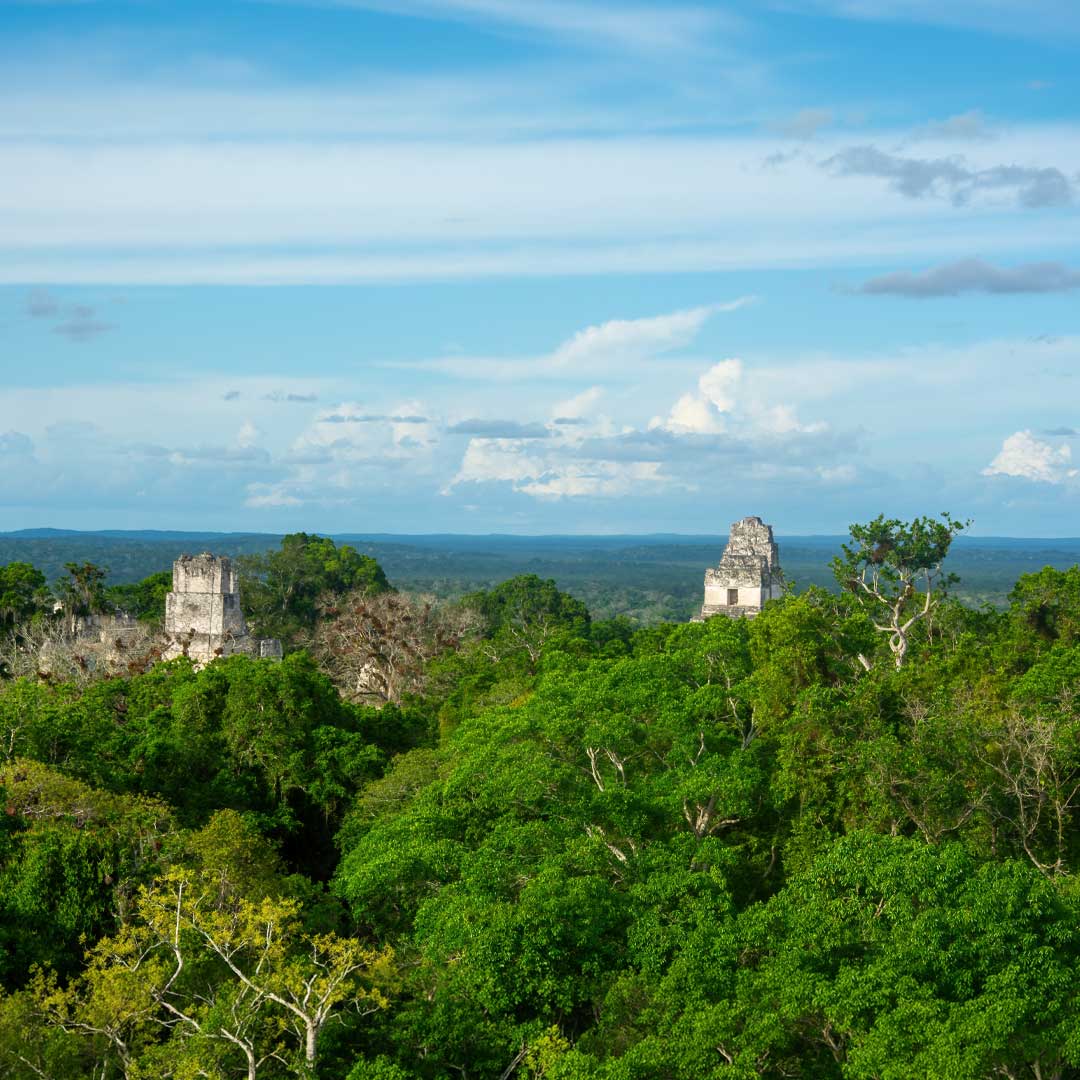
A first journey through Tikal and Yaxha
Tikal gives the first journey its monumental center. Causeways, plazas, temples, and residential areas reveal the scale of a major Maya city. Its forest setting also makes the surrounding environment part of the visit.
Yaxha presents a different urban landscape. Its plazas and causeways sit between lakes and forest. Together, the sites reveal two distinct relationships between Maya cities and their surroundings.
Planning them on separate days allows more time for interpretation and a steadier pace. It also avoids rushing two important sites.
The Petén base matters as well. Arrival time, flight schedules, hotel preferences, and the rest of your Guatemala itinerary shape the plan.
A knowledgeable guide connects the two visits. The discussion moves beyond individual buildings to political relationships, changing dynasties, landscape, and daily life.
Go deeper into Guatemala's archaeology
Travelers who want to look beyond Tikal and Yaxha have two strong directions. One stays longer in Petén. The other follows archaeology through several regions of Guatemala.
Deeper Petén
Uaxactun adds valuable context to a Tikal-centered journey.
It supports deeper discussion of settlement, astronomy, political change, and relationships within the central Maya lowlands.
Remote Petén sites require more preparation.
We recommend them only when current access, conditions, and responsible operation support the visit.
A wider Guatemala route
A wider journey links Guatemala City museums and Kaminaljuyu with Iximché, Tak'alik Ab'aj, Quiriguá, and Petén.
It moves from the highlands and Pacific slope to the eastern monuments and northern lowlands.
Museum collections and site visits help explain regional connections, changing political centers, and differences in architecture and monuments.
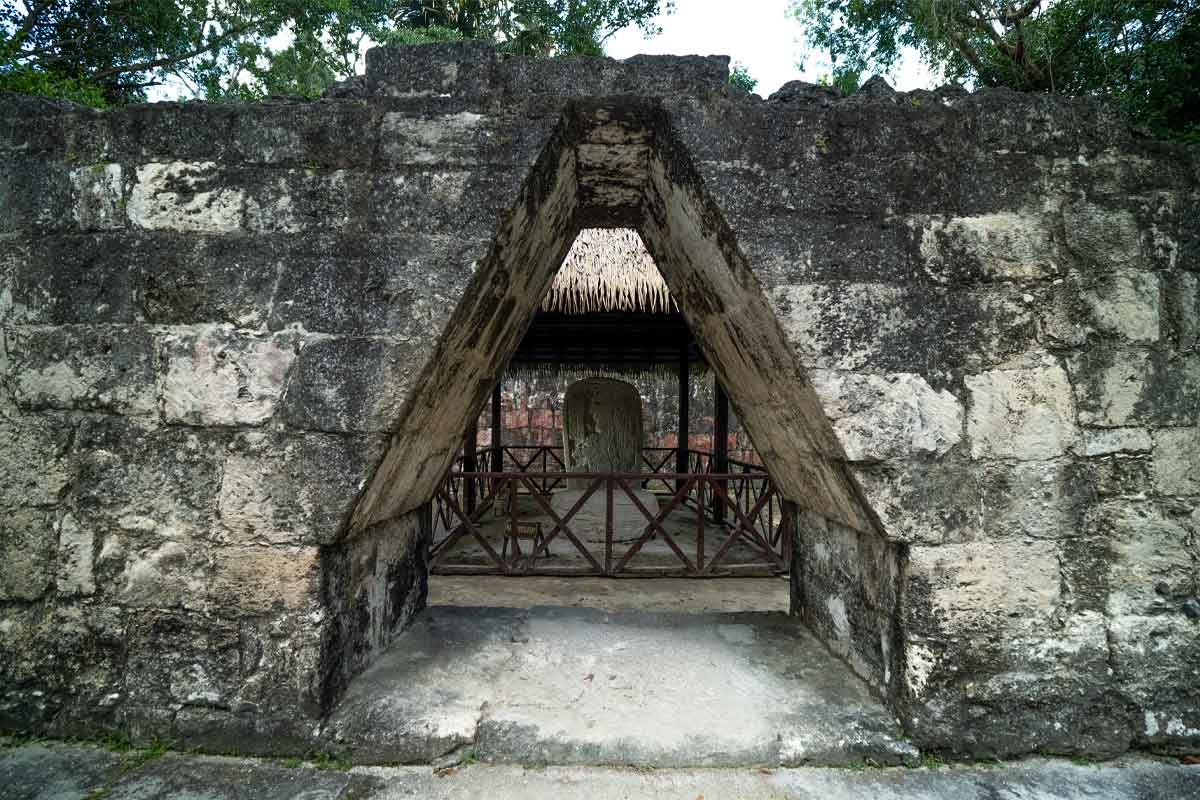
Tikal, Tak'alik Ab'aj, and Quiriguá are recognized by UNESCO.
However, their importance lies in different histories, settings, and roles within Guatemala's archaeological record.
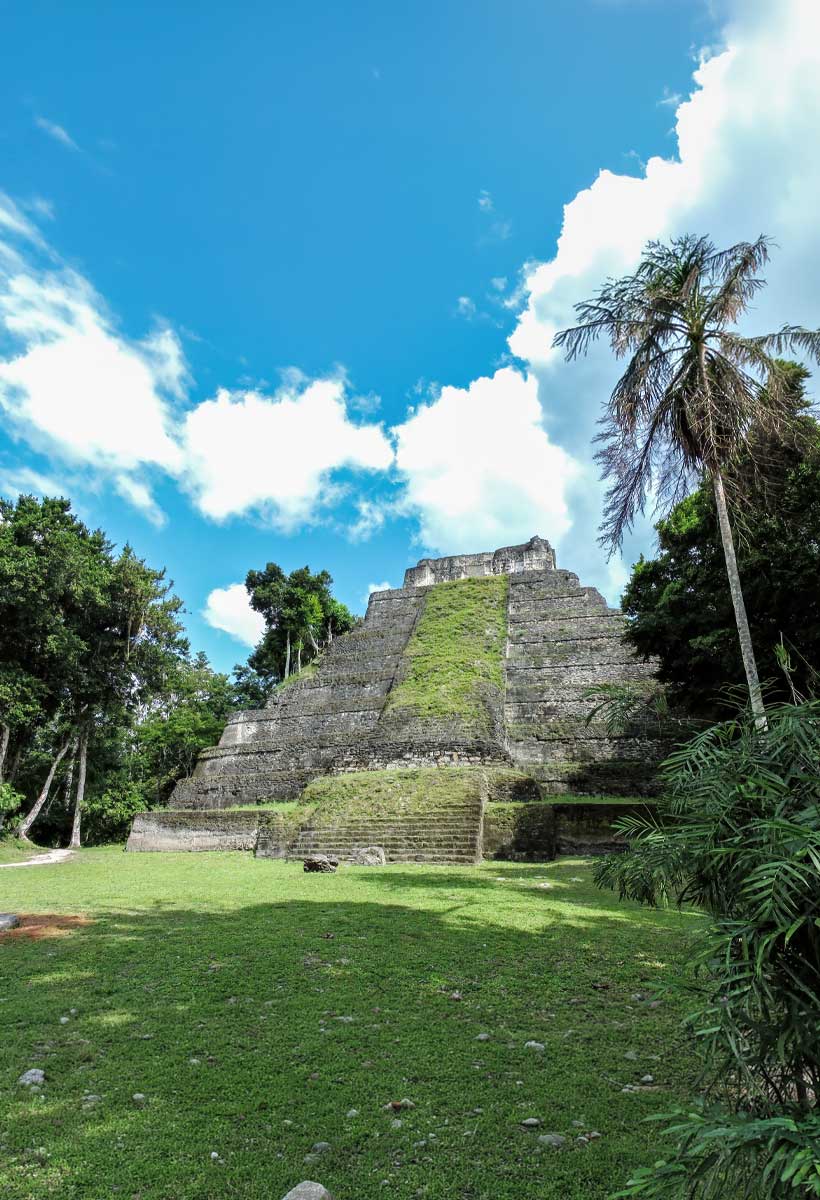


Extend the journey into the Maya World
Guatemala remains the center of this journey. Regional extensions follow only after the Guatemala route has enough time and a clear purpose.
Quiriguá and Copán
The eastern route begins with Quiriguá in Guatemala before continuing to Copán in Honduras.
This sequence suits travelers interested in monuments, dynastic history, writing, and political relationships across the southeastern Maya region.
Guatemala and Belize
Belize adds another Maya political landscape within a rainforest setting. A Cayo-based extension connects naturally with sites such as Xunantunich or Caracol.
This extension works especially well when the journey begins or ends in Belize. We plan the border crossing and travel time within the itinerary.
Guatemala and Chiapas
Chiapas suits a longer archaeology journey. Palenque, Bonampak, and Yaxchilan create a distinct extension through the Usumacinta region and southeastern Mexico.
This direction requires more time and careful land, river, and access planning. We recommend it when the added geography supports the traveler's main interests.
For travelers considering a longer journey through Mexico, our Mexico tour packages include private routes through Chiapas, Yucatán, Oaxaca, Central Mexico, and the Riviera Maya.
The guide shapes what you understand
The person guiding the journey shapes how each site is understood. Certified local guides, specialists, historians, researchers, and archaeologists bring different forms of knowledge.
We match the guide to the itinerary, your existing knowledge, and the questions you want to explore. A named specialist joins only when availability is confirmed.
The right guide combines sound knowledge with clear communication and practical awareness. They also help manage pace, weather, walking conditions, and each day's flow.
Plan for walking, climate, and access
Archaeology travel in Guatemala benefits from honest practical planning. Conditions vary by region, season, site, and access method.
Walking and terrain. Large sites involve distance, steps, roots, stone surfaces, and uneven ground. Climbing depends on current rules and personal comfort.
Heat and rain. Petén is often hot and humid. Rain changes trail conditions, visibility, transport, and the pace of a visit.
Transport. A route may use internal flights, private vehicles, four-wheel-drive transport, boats, or helicopters. The mode follows the confirmed route.
Tickets and timing. Entrance rules, guide requirements, and special visiting periods change. We check current requirements before confirming the itinerary.
Hotel base. The right base balances travel time, comfort, flight connections, and the sites planned for the following day.
Mobility and pace. Tell us about walking limits, heat sensitivity, steps, or preferred rest time. This information shapes the route from the beginning.
Protected heritage and living Maya history
Guatemala's archaeological sites are protected cultural heritage. Every visit follows current site rules and conservation requirements.
Excavation work, artifact handling, restricted research areas, and conservation activity are not regular visitor experiences.
Maya history did not end with the ancient cities. It continues within living Maya communities throughout Guatemala. Their cultures, languages, knowledge, and daily lives belong to the present.
Responsible travel means allowing enough time, following site rules, and respecting community boundaries.
Questions about Guatemala archaeology tours
Should I visit Tikal or Yaxha?
For a first journey, visit both when time allows. Tikal provides monumental scale, while Yaxha presents a different landscape and urban setting.
Do Tikal and Yaxha fit within the same trip?
Yes. Separate days give each site enough time and create a more comfortable pace. The best order depends on your Petén arrival and departure plans.
How many days should I allow?
Two full site days form a practical Tikal and Yaxha foundation after reaching Petén. Deeper Petén or a countrywide route requires additional days.
Are all journeys led by an archaeologist?
No. We identify each guide's professional role accurately. Archaeologists or other named specialists participate only when their involvement and availability are confirmed.
Is there a lot of walking?
Yes. Archaeological sites involve uneven ground, steps, heat, and long distances. We explain the expected effort and plan the pace before confirmation.
Can Guatemala be combined with Copán, Belize, or Chiapas?
Yes. We add the extension after defining the Guatemala route. The final sequence reflects available time, border logistics, site access, and your main interests.
Plan your Guatemala archaeology journey
Tell us your dates, number of travelers, archaeology interests, previous site experience, and walking preferences. Please also share your preferred hotel level and journey endpoints.
We will recommend a private itinerary that gives the main sites enough time. We then match the guiding, logistics, and comfort to your needs.
Travel advisors may share the same information together with the client's profile, service level, and any operational requirements.
.