Day Tours from Antigua Guatemala: Explore Mayan History and Culture
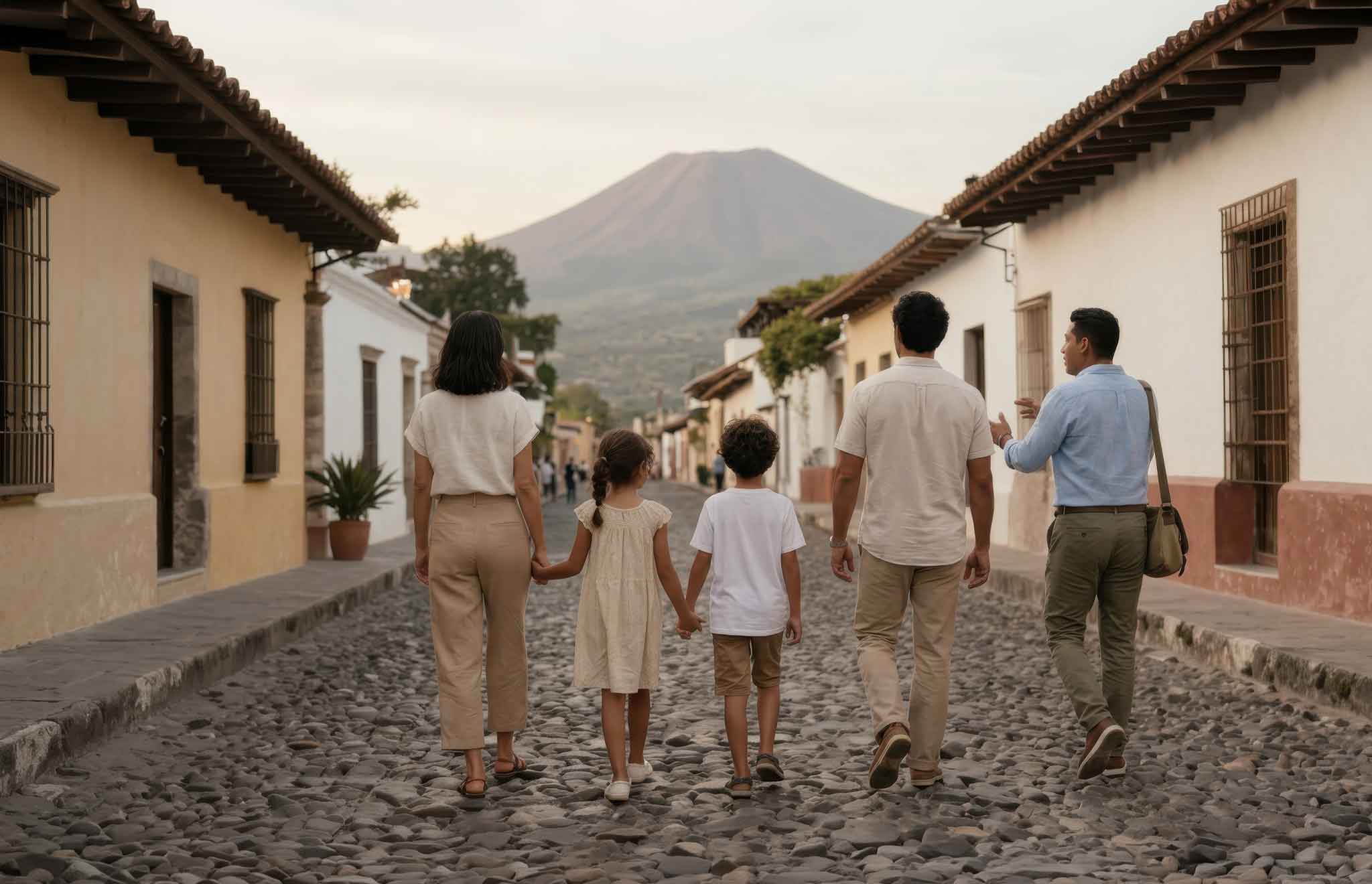
Day tours from Antigua Guatemala offer travelers the perfect blend of history, culture, and scenic beauty—all within easy reach of the colonial city. Our customized vacation packages for independent travelers and small private groups provide unforgettable cultural experiences to ancient Mayan archaeological sites such as Iximché, Mixco Viejo, and Utatlán.
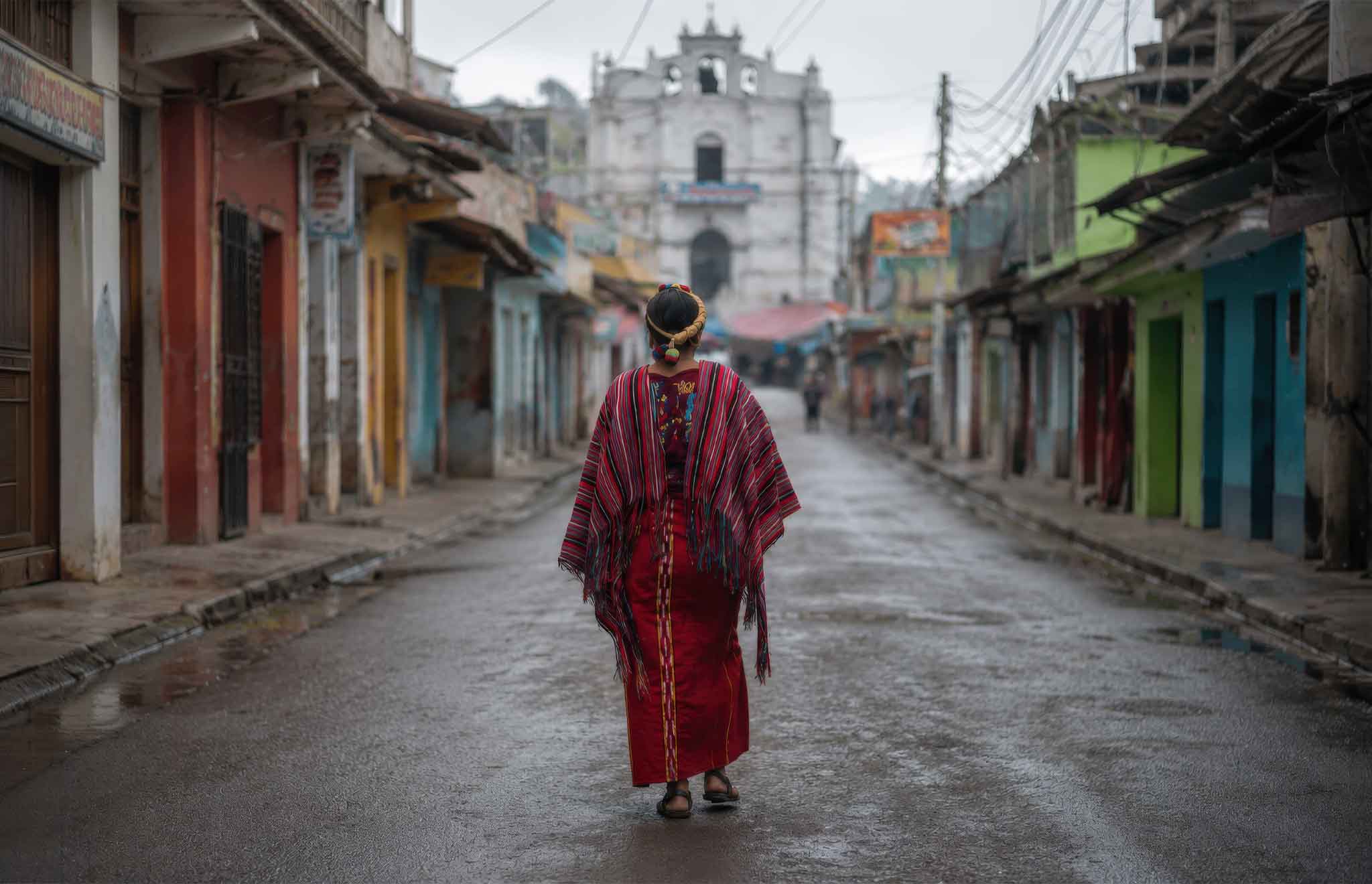
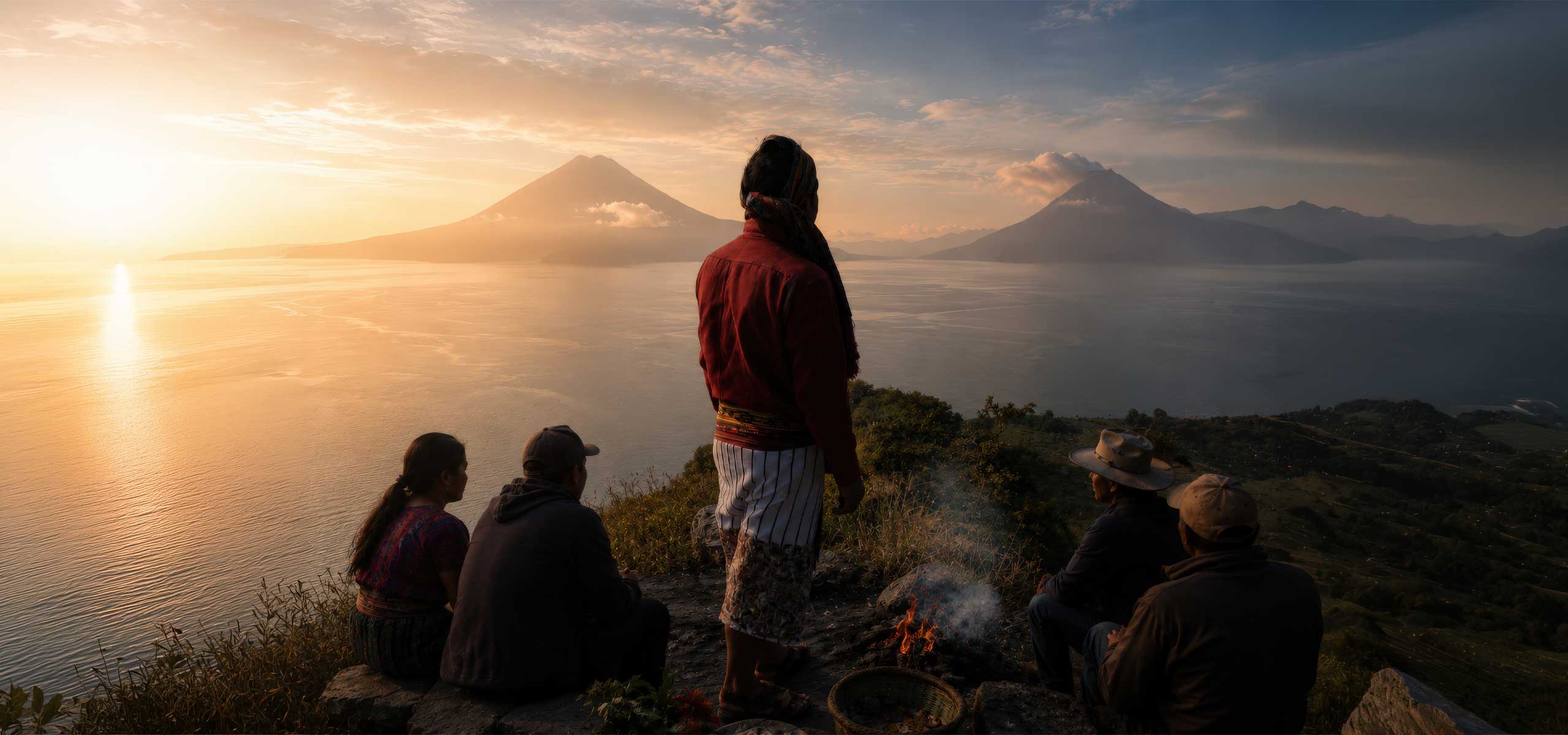
These immersive day trips allow you to return comfortably to your Antigua hotel each evening, making them ideal for those who prefer not to change accommodations. Along the way, you’ll enjoy panoramic views, discover living indigenous traditions, and witness sacred ceremonies still practiced at these revered sites.
Operated as private, guided excursions, our cultural tours are flexible, personalized, and rich in local insight—perfect for families, couples, or small groups seeking meaningful adventures in Guatemala.
Utatlán (Gumarcaaj): Capital of the Quiché Kingdom
This ancient city was the last capital of the Quiché Maya kingdom, located in the Quiché department, 126 kilometers from Antigua Guatemala. Founded by King Gucumatz after 1250, Utatlán features three architectural complexes separated by ravines, each representing powerful groups connected through ceremonial roads.
Highlights include squares, dual temples, a ball court, and altars once dedicated to deities such as Tohil and Awilix. Combining a visit to Gumarcaaj with the vibrant Chichicastenango market (open Thursdays and Sundays) makes for an unforgettable day trip.

It is an excellent idea to combine Gumarcaaj with the tour of the Chichicastenango market, which is held every Thursday and Sunday.
Iximché: The First Spanish Capital and Sacred Maya Site
Located just 55 kilometers from Antigua Guatemala in Tecpán, Iximché was founded in 1475 by the Cakchiquel Maya. Set atop a hill and surrounded by ravines, the site includes more than 160 structures including ceremonial plazas, residential areas, and a ball court.
Iximché is historically significant as the site of a brief alliance between the Maya and Spanish conquistadors. The city later became the first Spanish capital in Guatemala in 1524. Visitors can explore numerous altars, ruins, and artifacts that reflect the region’s deep history.
Mixco Viejo: A Strategic Fortress in the Highlands
Situated 62 kilometers from Antigua in Chimaltenango, Mixco Viejo is a hilltop city surrounded by natural ravines that once served as defensive barriers. Though long believed to be a Pokomam capital, modern research attributes this impressive site to the Chajomá branch of the Cakchiquel Maya.
Mixco Viejo features more than 100 structures across multiple plazas and ceremonial groups. Key highlights include twin temples, stepped pyramids, and ball courts influenced by architecture from central Mexico.
The site has more than 100 structures distributed in a dozen sets, two main squares, a ball game, a pyramid with two steps, and double temples, which shows the influence of central Mexico.
Start Planning Your Mayan Day Tour Today
Our private day tours from Antigua Guatemala are carefully curated for cultural immersion, comfort, and insight. Whether you’re interested in archaeology, indigenous traditions, or breathtaking landscapes, these excursions are the perfect addition to your Guatemala travel experience.
Contact Martsam Travel to customize your tour today.