Traditional Maya clothing Guatemala
Key Takeaways
- Traditional Maya clothing remains part of daily life in many communities across Guatemala.
- Garments such as the huipil, corte, and faja often reflect local identity, family traditions, and regional history.
- Maya textiles are created through techniques passed down through generations, including backstrap weaving.
- Patterns, colors, and motifs vary from one community to another and often carry cultural significance.
- Supporting artisan-made textiles helps preserve traditional knowledge and provides income for local families.
- Understanding Maya clothing offers insight into contemporary Guatemala as well as its cultural heritage.
Traditional Maya Clothing in Guatemala: More Than a Textile Tradition
In many parts of Guatemala, traditional Maya clothing is not reserved for festivals, museums, or cultural demonstrations.
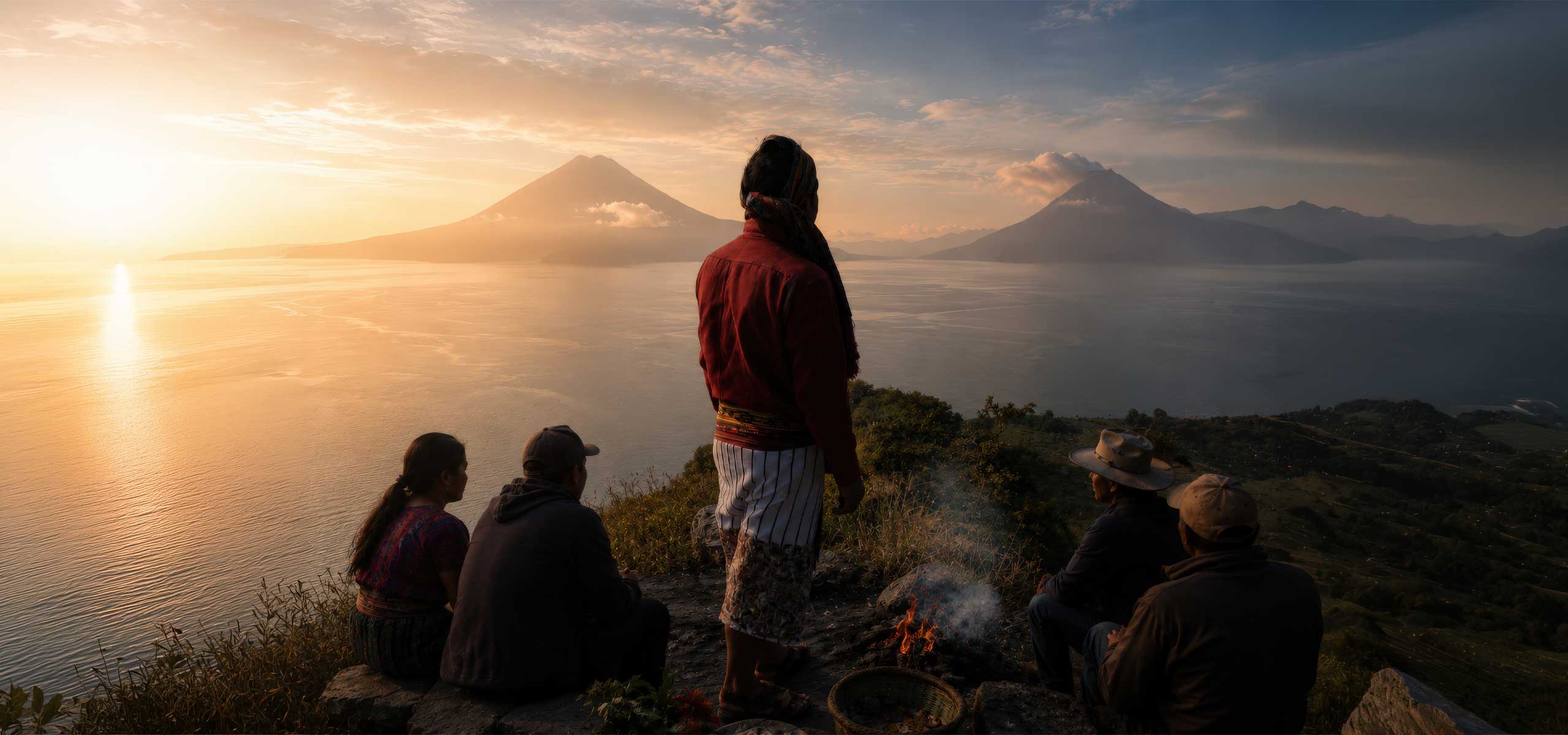
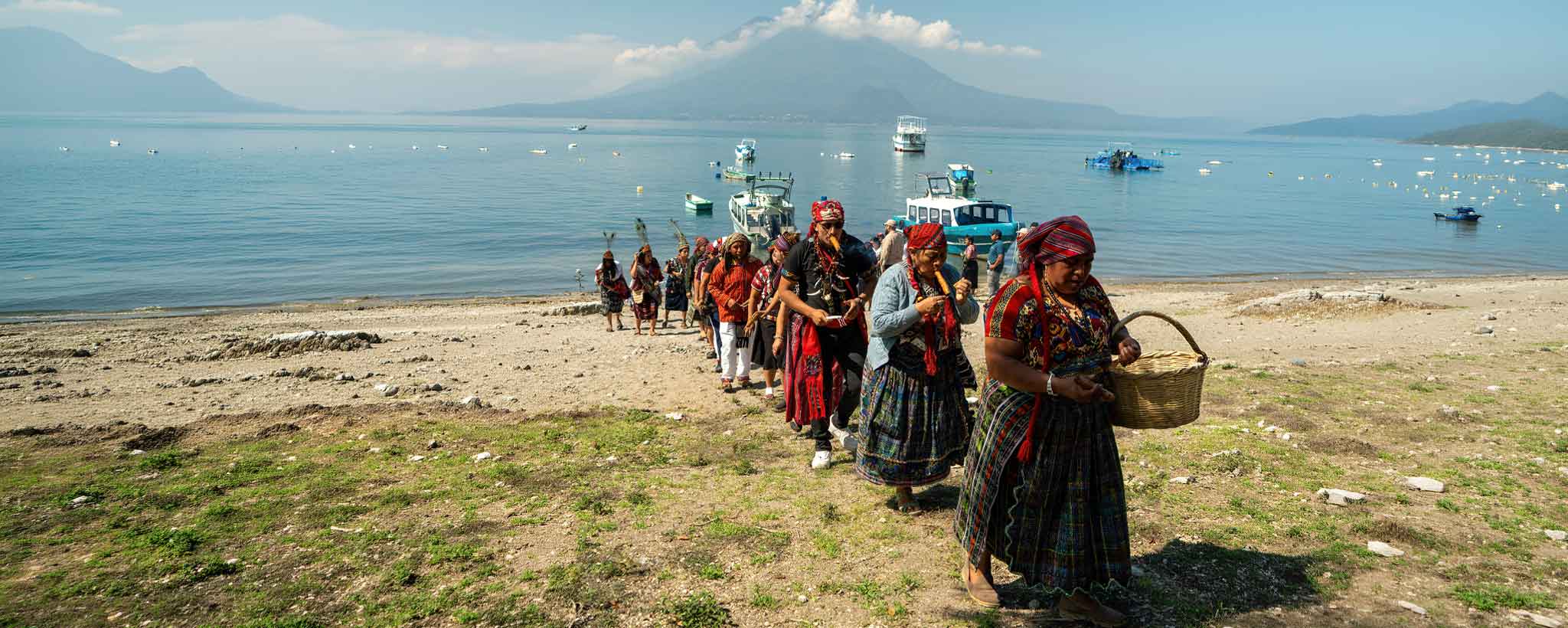
It is worn while crossing Lake Atitlán, shopping at local markets, visiting family, attending community celebrations, or simply going about daily life.
For many travelers, that is the first clue that these textiles belong not only to history, but to contemporary Guatemala.
The colors and patterns often capture attention first. Over time, another realization follows.
These garments are connected to community identity, family history, craftsmanship, and cultural continuity. In many Maya communities, traditional clothing remains part of everyday life, carrying stories, knowledge, and traditions from one generation to the next.
Understanding traditional Maya clothing in Guatemala offers a deeper appreciation of the country's cultural diversity and the people who continue to shape it today. For many visitors, this becomes part of a broader understanding explored in our article on The Soul of Guatemala.
Why Traditional Maya Clothing Varies Across Guatemala
One of the most fascinating aspects of Maya textiles is their regional diversity.
Traveling through the Guatemalan Highlands, visitors quickly notice that clothing styles change from one community to another.
A huipil worn in one village may feature different colors, weaving techniques, and motifs than one worn only a short distance away.
Historically, these distinctions often helped identify a person's community, language group, and local traditions.
While styles continue to evolve, many garments still reflect a strong connection to place.
This diversity mirrors Guatemala itself, a country where numerous Maya peoples, languages, and cultural traditions coexist while maintaining distinct identities.
Travelers are often surprised to learn that local people can sometimes recognize a person's community simply by looking at a huipil. What appears to be a beautiful textile to an outsider may communicate place, family connections, and cultural belonging to someone familiar with the traditions of the region.
The Huipil: Identity Woven Into Cloth
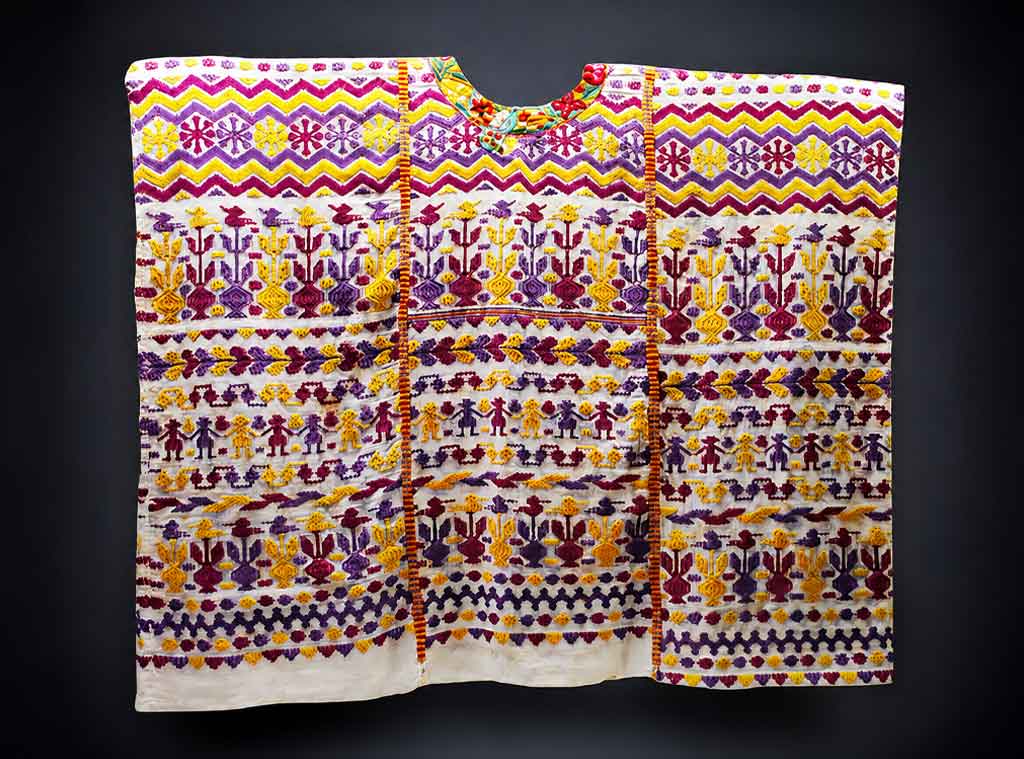
Among the most recognized garments in Guatemala is the huipil, the traditional blouse worn by many Maya women.
Each huipil is unique.
Some feature geometric designs. Others incorporate birds, flowers, stars, or patterns associated with local traditions.
The significance of these motifs varies across communities and families, making broad interpretations difficult. What remains consistent is the role of the huipil as an expression of identity.
Creating a huipil can require weeks or even months of work, depending on the design's complexity and the weaving technique used.
For many women, wearing a huipil reflects both personal choice and cultural continuity, connecting contemporary life with generations of knowledge and craftsmanship. This continuity is also explored in Maya Culture Guatemala: Living Stories of the Popol Wuj, where we examine how cultural knowledge continues to move through everyday life.
The Backstrap Loom and the Art of Weaving
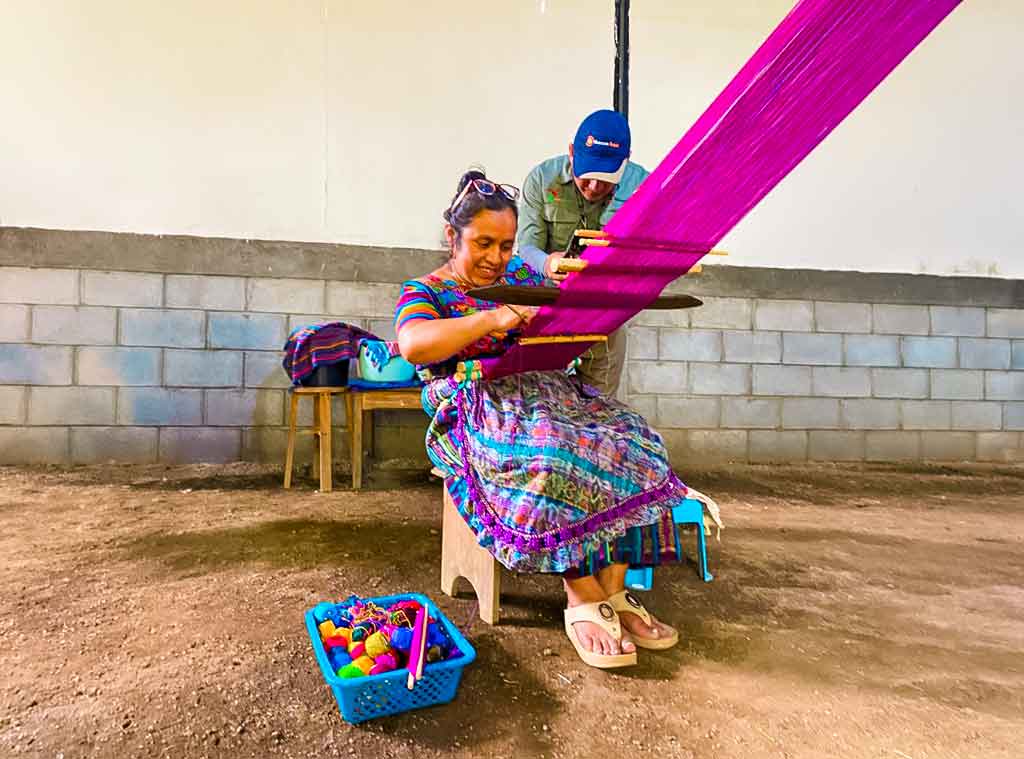
Many traditional Maya textiles are created using a backstrap loom, a weaving method practiced for centuries throughout Mesoamerica.
The loom is simple in appearance.
One end is attached to a fixed point, while the other is secured around the weaver's waist. The tension the body creates allows the weaver to control the threads and gradually build the textile.
Learning to weave often begins at an early age.
In many families, knowledge is shared between generations through observation, practice, and time spent together.
The process requires patience, precision, and skill. A complex textile may take months to complete, reflecting an investment of time that is rarely visible in the finished piece alone.
Symbols, Colors, and Cultural Meaning
Visitors frequently ask what Maya textile symbols mean.
The answer is not always straightforward.
Colors, patterns, and motifs can hold different meanings depending on the community, the family, and the individual weaver.
Some designs reference elements of the natural world, including mountains, birds, flowers, or agricultural life. Others may connect to local history, spirituality, or community traditions.
Rather than functioning as a universal code, Maya textiles are better understood as part of a living cultural language that continues to evolve over time.
This complexity is one reason why conversations with weavers often reveal far more than a guidebook ever could.
Maya Textiles in Contemporary Guatemala
One of the most common misconceptions is that traditional Maya clothing belongs primarily to the past.
In reality, Maya textiles remain part of contemporary Guatemala.
They are worn in markets, schools, community gatherings, religious celebrations, and everyday activities.
At the same time, weaving traditions continue to adapt.
New materials, changing economic realities, and evolving fashion preferences influence how textiles are produced and worn.
The result is not a frozen tradition but a living one.
This balance between continuity and change is part of what makes Maya textiles so compelling.
This is especially visible around Lake Atitlán and throughout the Guatemalan Highlands, where traditional clothing continues to coexist with contemporary life. A woman may wear a handwoven huipil while running a business, teaching in a school, managing a household, or participating in community leadership.
The textile remains connected to tradition, but it also belongs to the present.
Travelers interested in learning more about these communities may also enjoy our guide to Lake Atitlán Cultural Experiences, which explores the region through its people, traditions, and everyday life.
Supporting Artisan Communities Respectfully
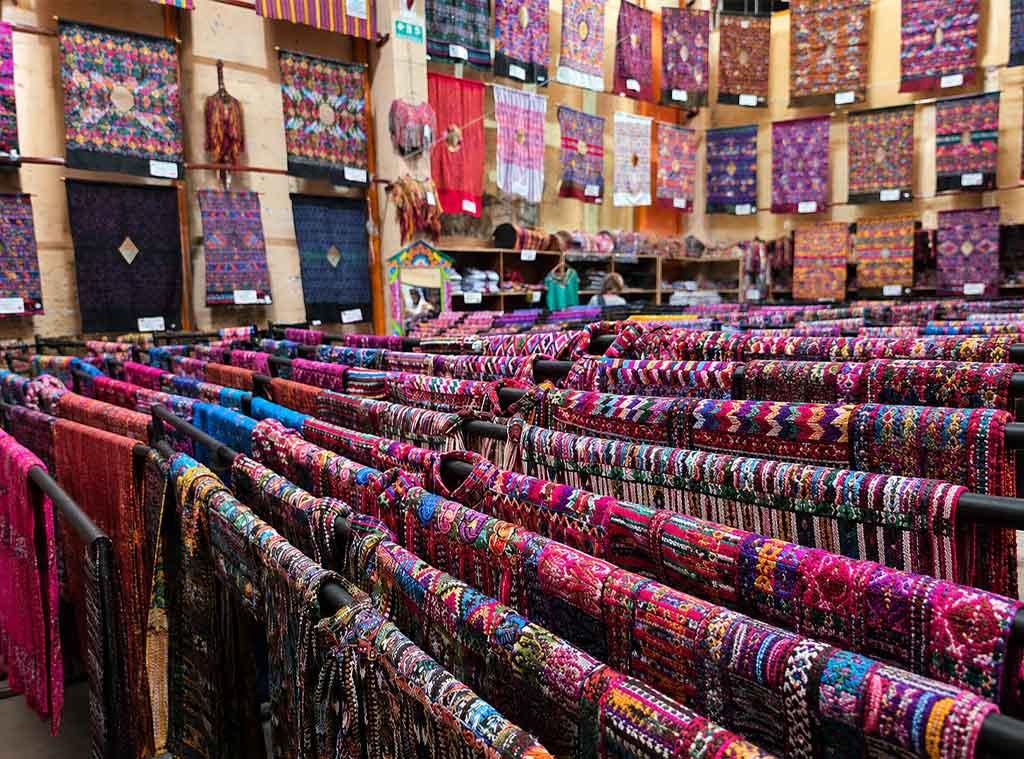
For many families, weaving provides an important source of income.
Visitors interested in purchasing textiles can support artisan communities by choosing handmade pieces, learning about the people who made them, and buying directly from weavers or reputable cooperatives whenever possible.
Respect also matters.
Photographing people without permission, wearing ceremonial garments without understanding their significance, or interpreting cultural symbols without context can unintentionally reduce complex traditions to simple souvenirs.
Approaching Maya textiles with curiosity and respect creates more meaningful exchanges and helps preserve the knowledge behind the craft. Many of these encounters take place through thoughtfully designed Private Cultural Tours Guatemala, where travelers can learn directly from artisans, guides, and local communities.
Beyond the Textile
Many travelers remember the colors first.
Later, they remember the conversations.
A weaver describing how she learned from her mother.
A family explaining the significance of a garment worn during an important celebration.
A guide recognizing a community through a particular pattern.
Traditional Maya clothing in Guatemala is admired for its beauty.
Yet its deeper significance often emerges through the people who continue to wear, create, and pass these traditions forward.
The textile tells part of the story.
The rest remains with the communities who carry it into the future.
For travelers seeking a deeper understanding of these traditions, our collection of Guatemala Cultural Tours explores the people, places, and stories that continue to shape contemporary Guatemala.