What to do around Antigua Guatemala
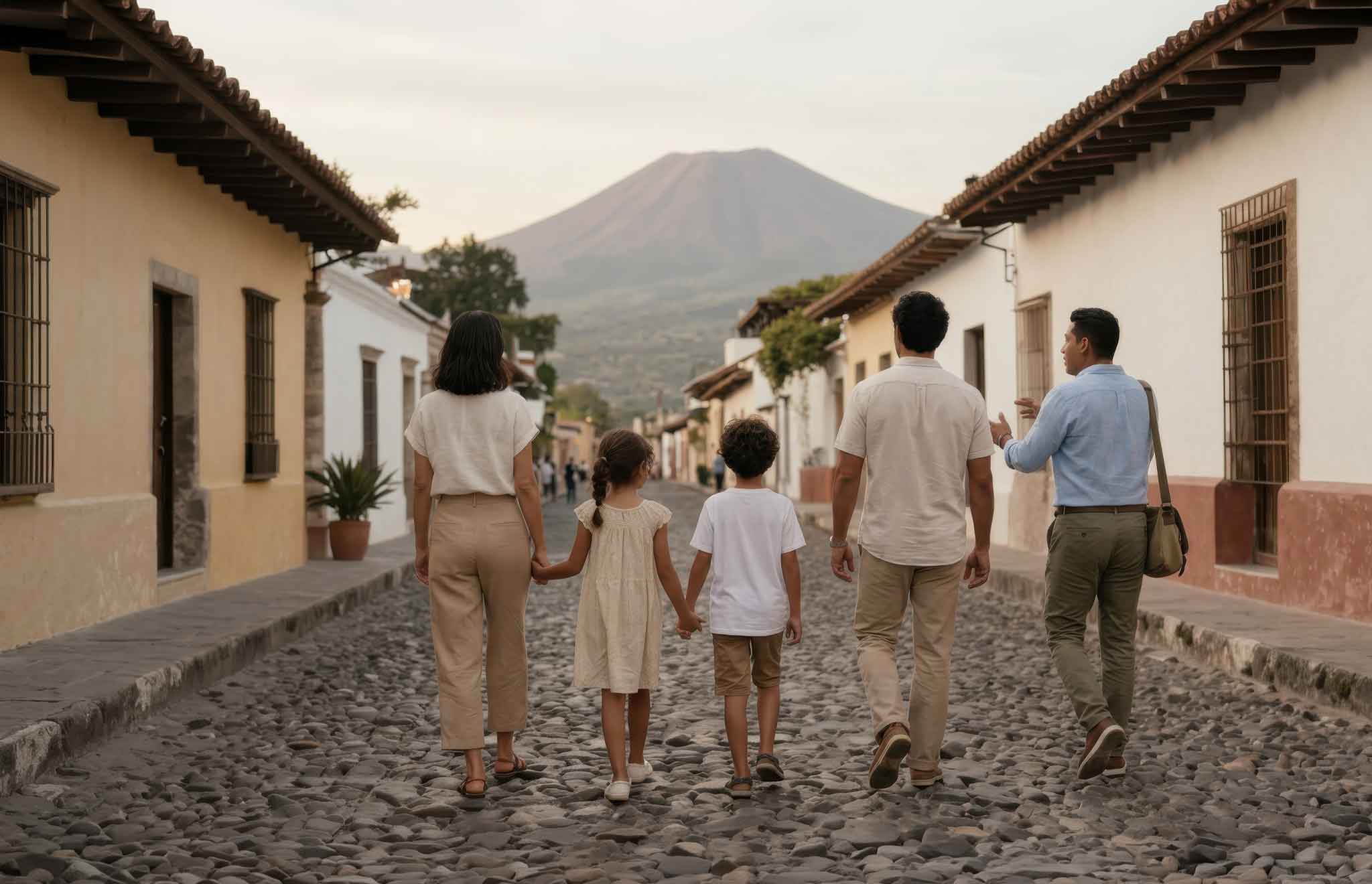
La Antigua Guatemala preserves a centuries-old history in numerous churches, museums, and ruins, which are to be explored along the cobbled streets while walking through the city. The ancient legends and traditions are alive in all corners.
Among the many museums, we can mention the old book’s museum, the museum of colonial art with an exhibition of paintings from the 16th and 17th centuries, the Casa Santo Domingo archaeological museum. The Capuchin museum exhibits works from the colonial era, modern art, and archaeological artifacts.
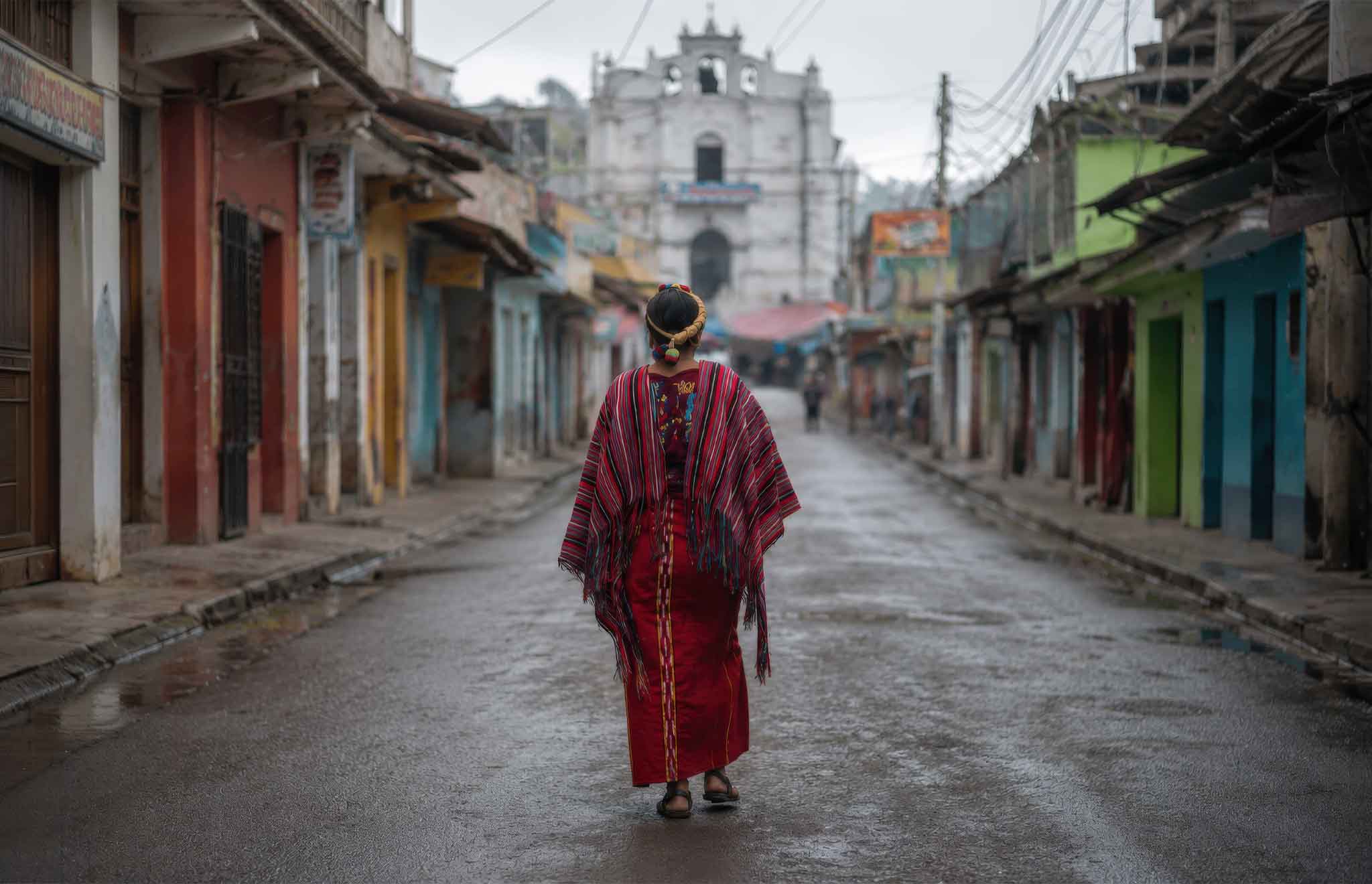
For the curious, La Antigua Guatemala offers many shops and markets where a sheer endless number of countries style textiles, ceramics, as well as high-quality silver and gold works, locally produce leather goods or precious mineral and Jade jewelry are waiting to be discovered.
Among the numerous churches, the pilgrimage Church of the Apostle Philip, the temple of Saint Bartolome Becerra, the church and monastery of Our Lady of la Merced, Santa Clara monastery, the church a convent of the reconciliation, the Church of the Apostle Saint Peter, and the monastery of the Society of Jesus stand out and are worth a visit. These sacred places add a romantic touch to the city and make it a favored setting for weddings and events.
Among the many museums, we can mention the old book’s museum, the museum of colonial art with an exhibition of paintings from the 16th and 17th centuries, the Casa Santo Domingo archaeological museum. The Capuchin museum exhibits works from the colonial era, modern art, and archaeological artifacts.
For the curious, La Antigua Guatemala offers many shops and markets where a sheer endless number of countries style textiles, ceramics, as well as high-quality silver and gold works, locally produce leather goods or precious mineral and Jade jewelry are waiting to be discovered.
Among the numerous churches, the pilgrimage Church of the Apostle Philip, the temple of Saint Bartolome Becerra, the church and monastery of Our Lady of la Merced, Santa Clara monastery, the church a convent of the reconciliation, the Church of the Apostle Saint Peter, and the monastery of the Society of Jesus stand out and are worth a visit. These sacred places add a romantic touch to the city and make it a favored setting for weddings and events.
on the axis between the impressive plaza central and the Palacio del Noble Ayuntamiento (an original building dating from 1743 with a two-story colonnade facade of solid stone), the Palacio de Los Capitanes generals deserve special attention. The square with the sirens fountain from 1737 and the parish church of San Jose at the entrance of the original cathedral of Santiago de los Caballeros form the historic heart of the city.
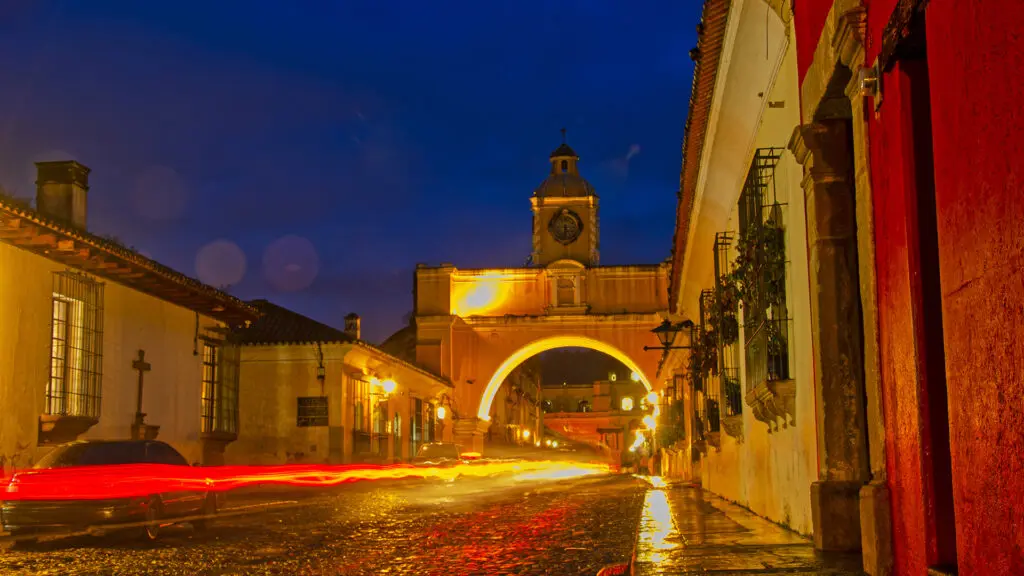
In the back part, surrounded by a few lively restaurants and bars, lie the ruins of Santa Catalina monastery with an elaborate carved with angelic figures and a striking Archway, which gave inspiration to its street name Calle del Arco.
The city has many quaint colonial-style boutique hotels and many restaurants attractive to visiting tourists and for business events and congresses.

From a culinary point of view, Antigua is a cosmopolitan city where international culinary delights are to be found alongside local specialties such as Tamales, Chuchitos, Pepian, or Hilachas.
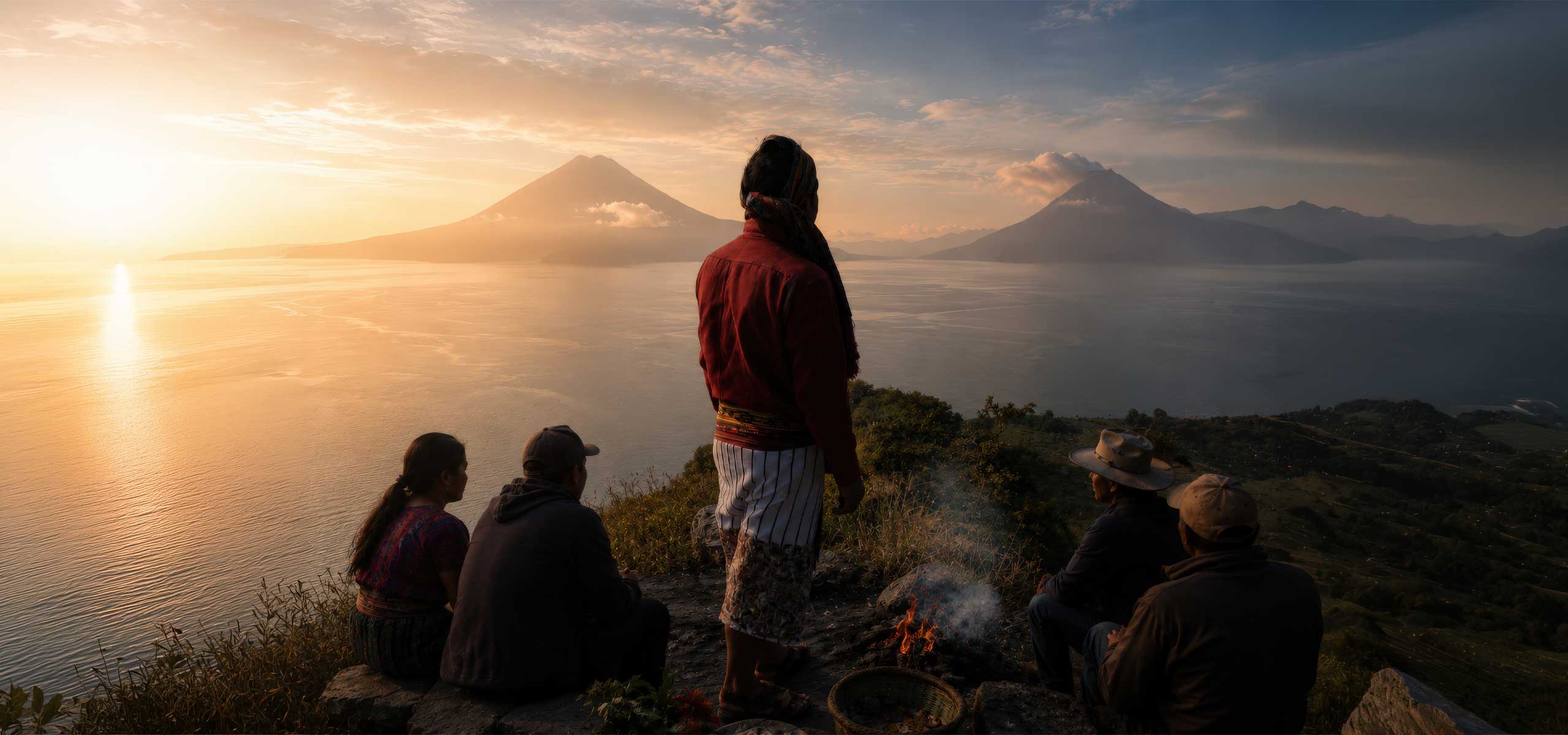
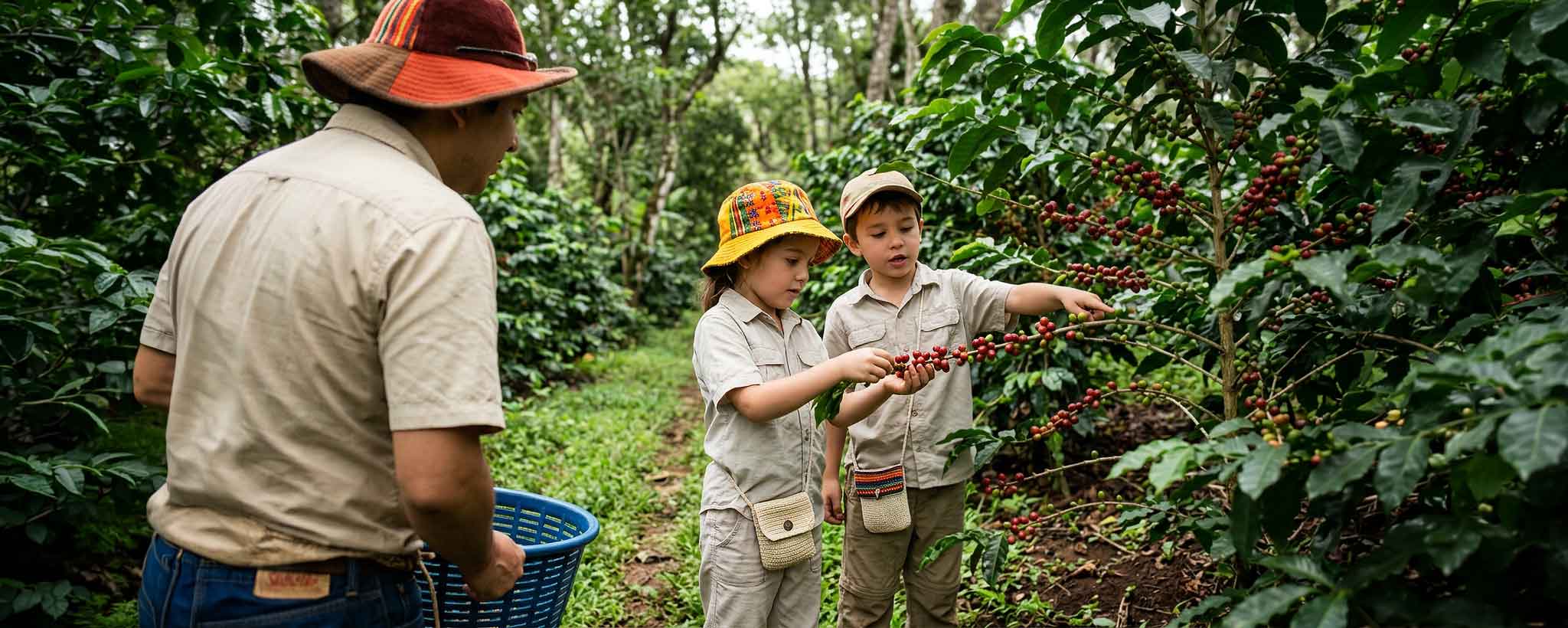
For those looking for exercise, there are spectacular mountain biking trails through the Hills and mountains surrounding the Panchoy Valley. Here, adventurers find the perfect stage for virtually any outdoor activity. There is a wide offer of tours to farms in the surrounding area; excursions on horseback are an unforgettable experience. zip lining, bird watching, coffee plantation tours, including coffee tasting or baths in hot volcanic Springs add to the vast offer of extraordinary activities.