
Private Indigenous Tours in Guatemala: Respectful Encounters with Living Maya Culture
Living Traditions: Indigenous-Led Cultural Experiences in Guatemala.
- What makes private indigenous tours in Guatemala different from regular group tours?
- Are the Maya cultural experiences authentic or staged for tourists?
- How do these tours support indigenous communities and cultural preservation?
- Can I respectfully join ancestral rituals and Maya ceremonies?
- Is any previous knowledge of Maya culture required before joining?
- How should I prepare for an immersive visit with indigenous communities?
- Is it safe to visit remote Maya communities on a private tour?
Key Takeaways
- You will experience deeper, more respectful access to living Maya and other indigenous communities in Guatemala when you opt for private, community-led tours rather than routine group sightseeing. This allows you to engage in rituals, discussions, and everyday life as a welcomed insider rather than a spectator.
- You safeguard cultural respect and honor by adhering to local customs, seeking consent before photographing, dressing conservatively, and respecting that certain rituals or areas are off-limits to travelers. This respect builds trust and opens the door to more profound experiences.
- You generate authentic connections when you break bread, pick up some words in local dialects, participate in musical or weaving sessions, and embrace spontaneity. These micro, casual encounters tend to be the most memorable and life-changing experiences of your travels.
- You make a difference when you spend what things are worth, patronize indigenous entrepreneurs, and invest in community initiatives or cooperatives. Your selection supports the preservation of ancestral ceremonies, language initiatives, and indigenous crafts for generations to come.
- You travel more consciously when you prepare by studying customs beforehand, intentionally packing, reducing waste, and following local sustainability guidelines. This minimizes ecological strain on delicate habitats and supports your stay in tune with local priorities.
- You define the future of ethical travel by sharing your stories mindfully, amplifying community voices, and referring ethical operators to others. Your query inspires more travelers to request genuine and reciprocal indigenous cultural experiences in Guatemala.
Ancient experiences, reimagined. Private tours of indigenous cultural experiences in Guatemala provide access to living Maya communities in a peaceful, secluded environment.
You connect with local hosts, listen to stories in their own voices, and step into real daily life, not touristy pageants. Guatemala's ancestral rituals and Maya traditions travel lets you witness authentic ceremonies, sacred sites, and craft work with proper context and reverence.
Plan with depth, care, and purpose with authentic Maya community experiences in Guatemala 2026.
Why Private Indigenous Tours?
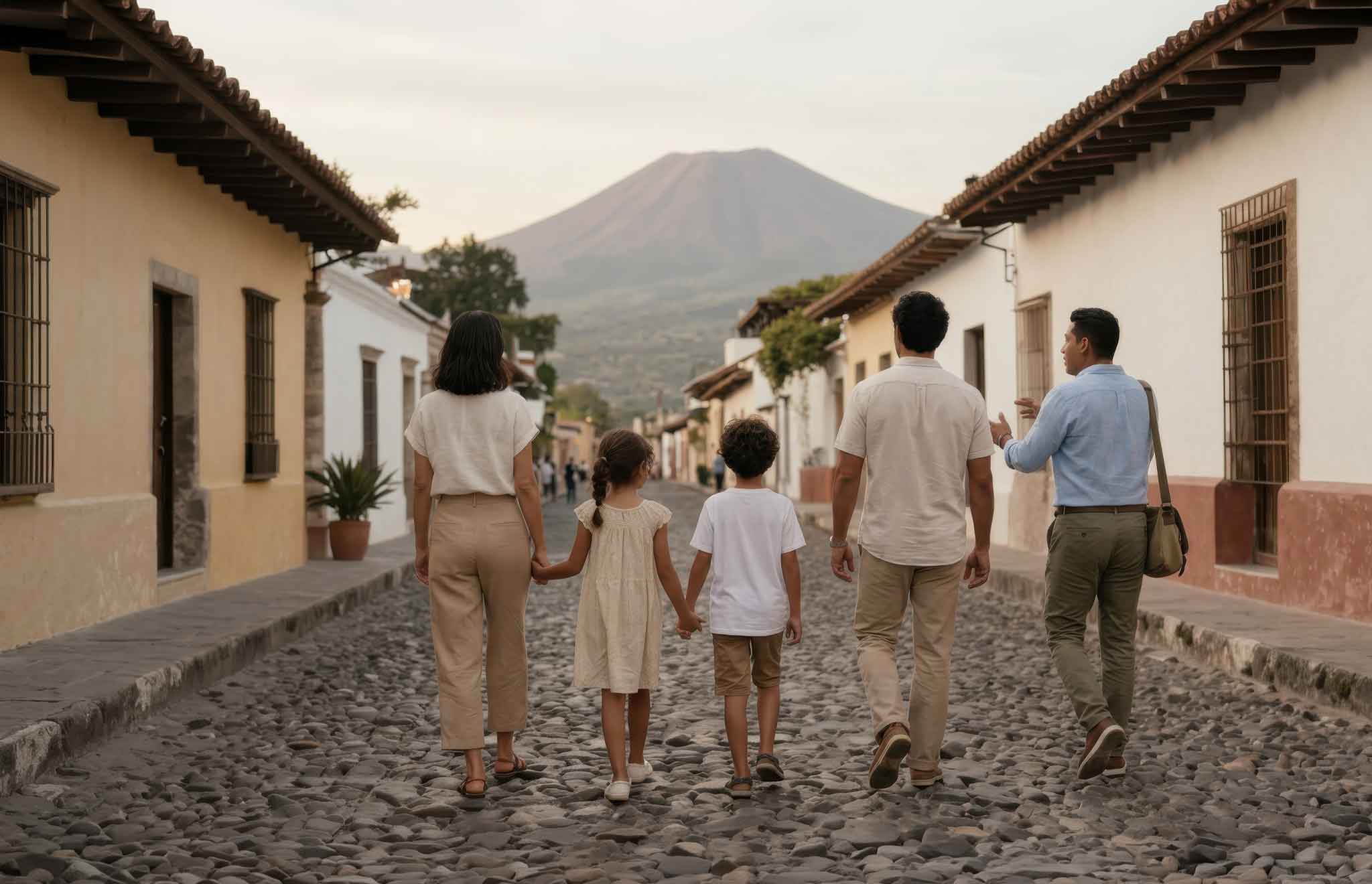
Private indigenous tours in Guatemala offer you calm, focused exposure to living Maya cultures, with the opportunity and space to observe, inquire, and discover. You travel at a human pace, led by local hosts who unlock doors closed to big commercial groups.
Deeper Access
You get access to intimate, private ceremonies performed in family courtyards or community altars, not manufactured performances in bustling town squares. A day could see you attend a fire ceremony at a hilltop shrine or be welcomed to witness a blessing for a newborn, with defined boundaries on where you can stand and what you can do.
You sit with elders and artisans who want to share their own stories. An elder may tell you how they interpret the 260-day Maya calendar or how the civil war formed their community. A weaver may guide you through each step of natural dye work, from plants in the garden to the final cloth, sharing the symbolism of colors and symbols along the way.
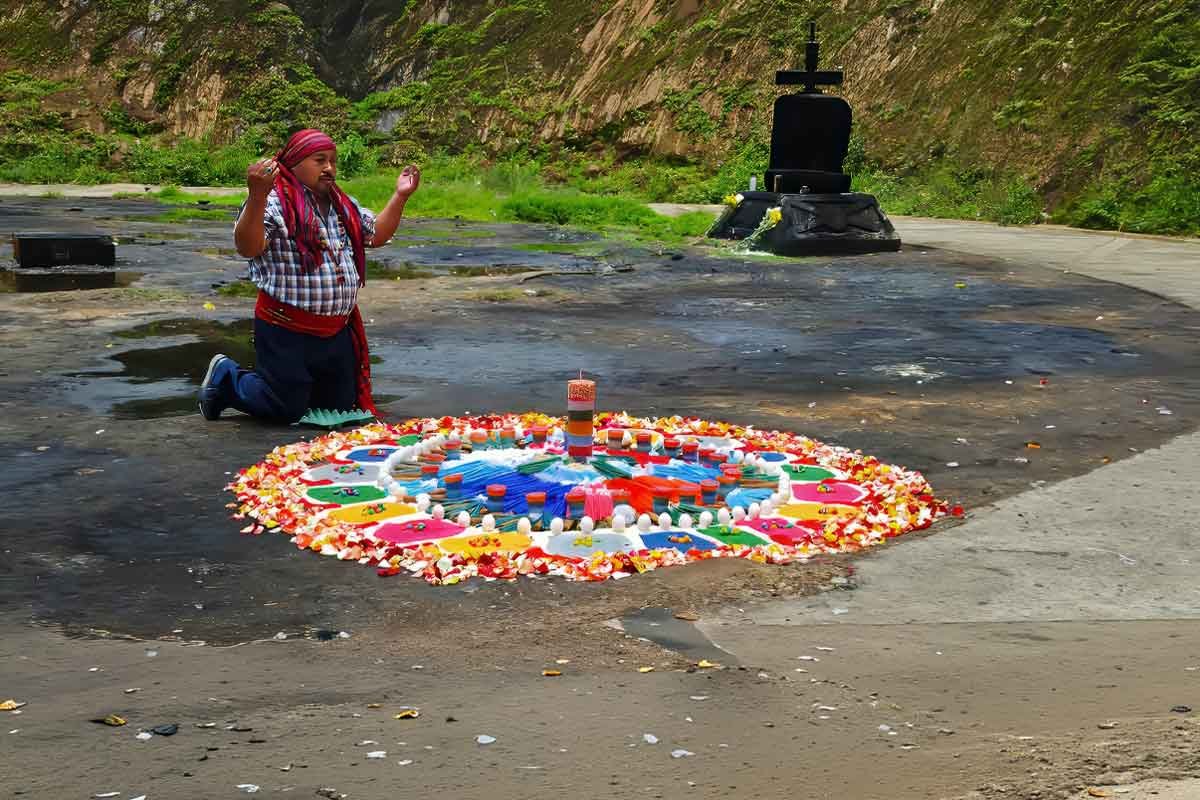
You observe what's going on before the ceremony. That can mean observing the grinding of cacao, assembling candles by color, or selecting flowers for an altar as your guide interprets the significance behind each phase. You stop into smaller villages off the beaten path, where market days are regional, languages besides Spanish are heard in the streets, and you're the only visitor that day.
Mutual Respect
You take part with a clear mindset: you are there to learn, not to consume. Guides pre-brief you on what is welcome, what is sensitive, and when silence matters.
You adhere to host protocols regarding attire, photography, and conduct. For instance, you should wear modest attire for rituals or seek permission before entering a household compound. Sometimes, a humble, locally purchased present, such as candles or maize, can be exchanged with a local in an unostentatious way that aligns with local tradition through your guide.
You keep consent central. You ask before taking portraits, you accept "no" without pressure, and you step back when a moment turns private, even if it seems "photogenic" to you.
True Connection
Shared meals forge the most genuine connections. You may assist in forming tortillas, sample atole by the family hearth, or share a standard table during a village festivity, exchanging stories of day-to-day life and labor on either side.
A few words in K'iche', Kaqchikel, or Tz'utujil, basic greetings, thank you, respectful forms of address, go a long way in showing that you care enough to try, even if your pronunciation is off at first.
Whether you're learning a simple marimba beat or attempting a novice backstrap loom, participating in music, dance, or craft sessions alongside families transforms you from observer to co-participant in the experience. A quiet debriefing time with your guide allows you to ask tough questions about religion, land rights, or language loss, and to discuss how these traditions relate to issues you see at home.
Lasting Impact
Your trip fee can flow directly into local initiatives, like scholarship funds, language schools, women's weaving co-ops, or health campaigns. You contribute to establishing a precedent that guides, drivers, and artisans receive a fair wage, that materials are locally sourced when possible, and that no one is coerced into 'performing' culture they do not want to experience.
As you speak or post about your visit, name communities and people respectfully, don't reveal sacred information that is requested to be kept confidential, and acknowledge your local guides and organizations.
This type of travel cultivates consistent demand for considerate tours, which sustains sustainable relationships and provides communities greater authority over how their culture is displayed.
The Heart of Maya Tradition
You enter a living Maya culture, not a staged performance. Every encounter provides you with a vivid lens through which to observe how faith, recollection, and everyday labor remain intertwined. It becomes clear that rituals, food, crafts, plants, and language all reinforce one another and bind a community across centuries.
1. Sacred Fire
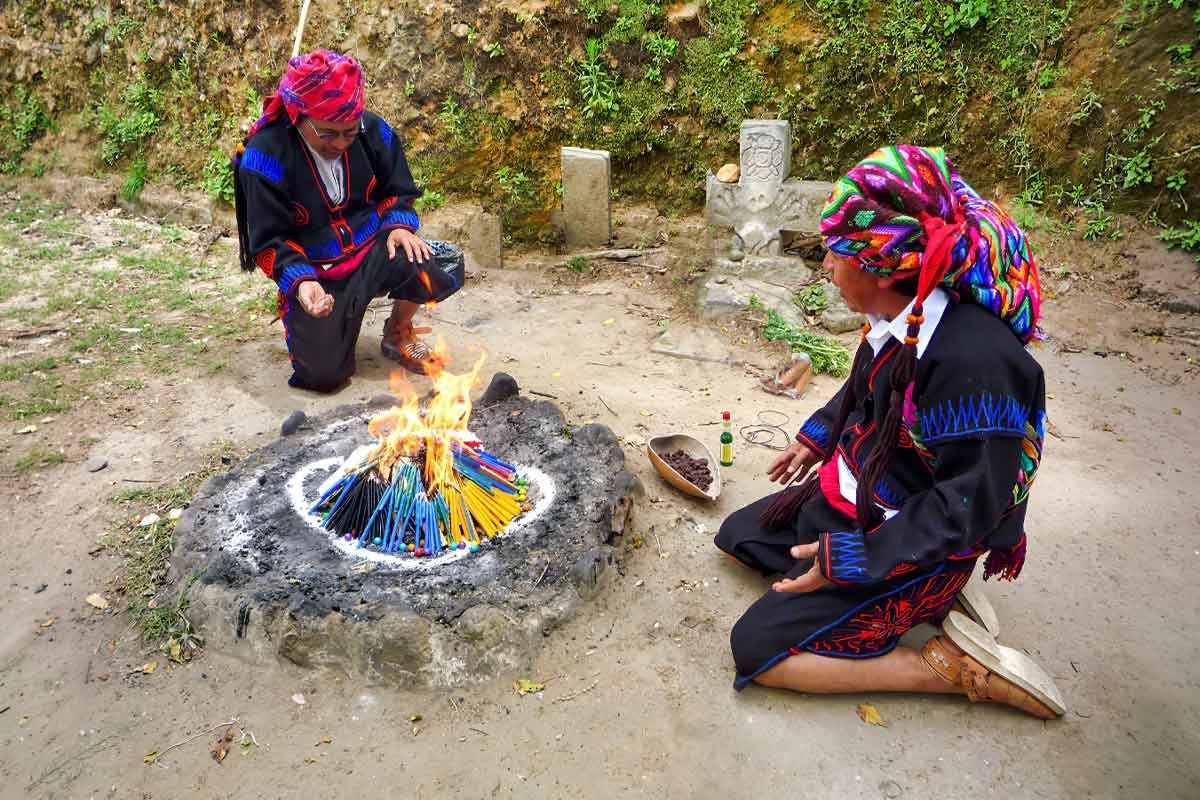
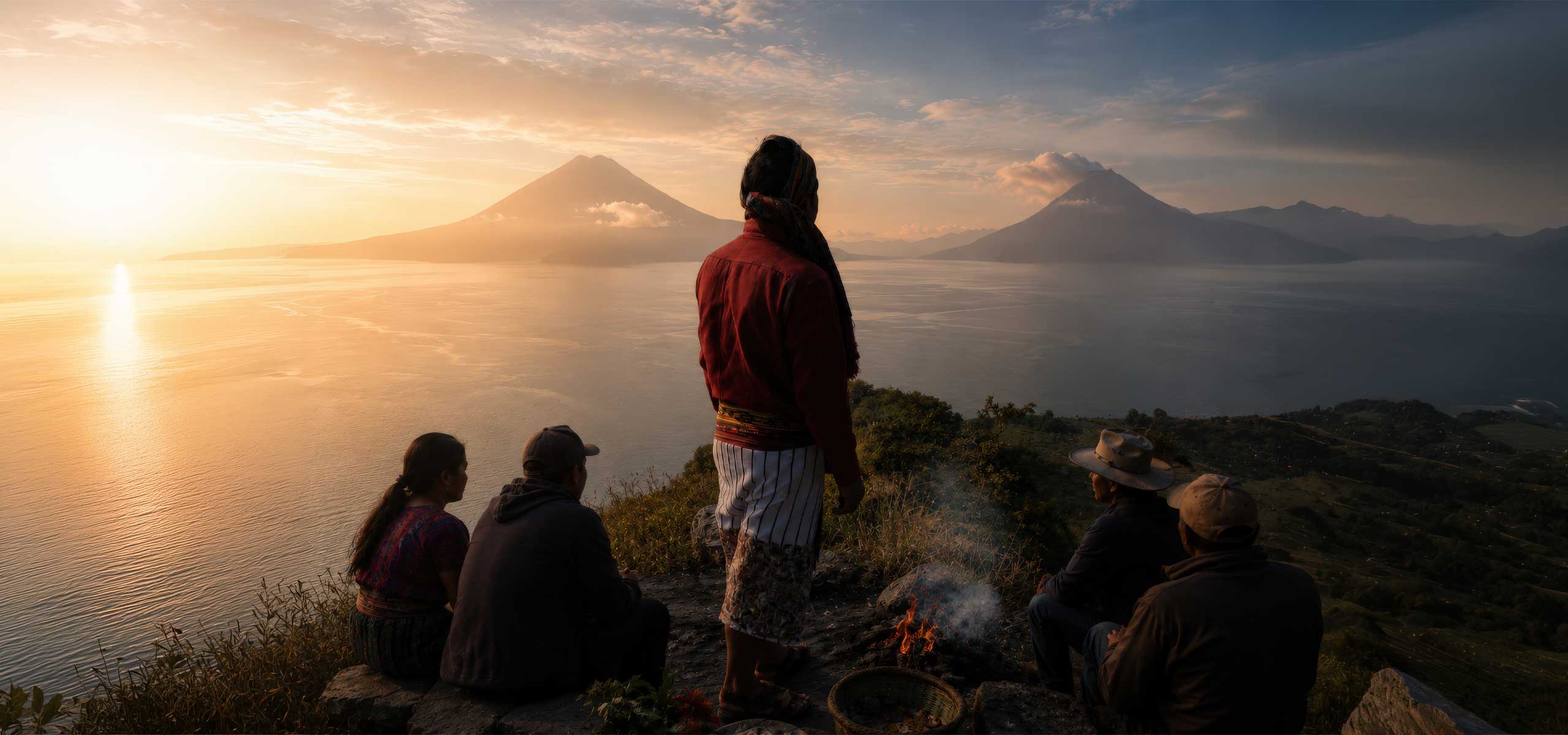
A Maya fire ceremony provides you with an unfiltered entry into the soul of communal existence. You encounter an ajq'ij, a timekeeper and spiritual guide, who arranges the fire with corn, candles, incense, and colored sugar. Each color, each seed, and each branch means something connected with the four directions, the day signs, and the balance between human beings, nature, and the sacred.
You stand in a circle, hear the prayers in a local tongue, and see them give thanks for crops, health, and direction for the coming year. You follow clear directions: where to stand, when to speak, and when to stay quiet. The guide might ask you to introduce a candle or incense of your own if you like, or to share an intention for your family or a difficulty in your life.
Around the fire, private concerns and communal aspirations intersect. You see how this single ritual keeps the calendar, heals conflict, and confirms membership.
2. Woven Stories
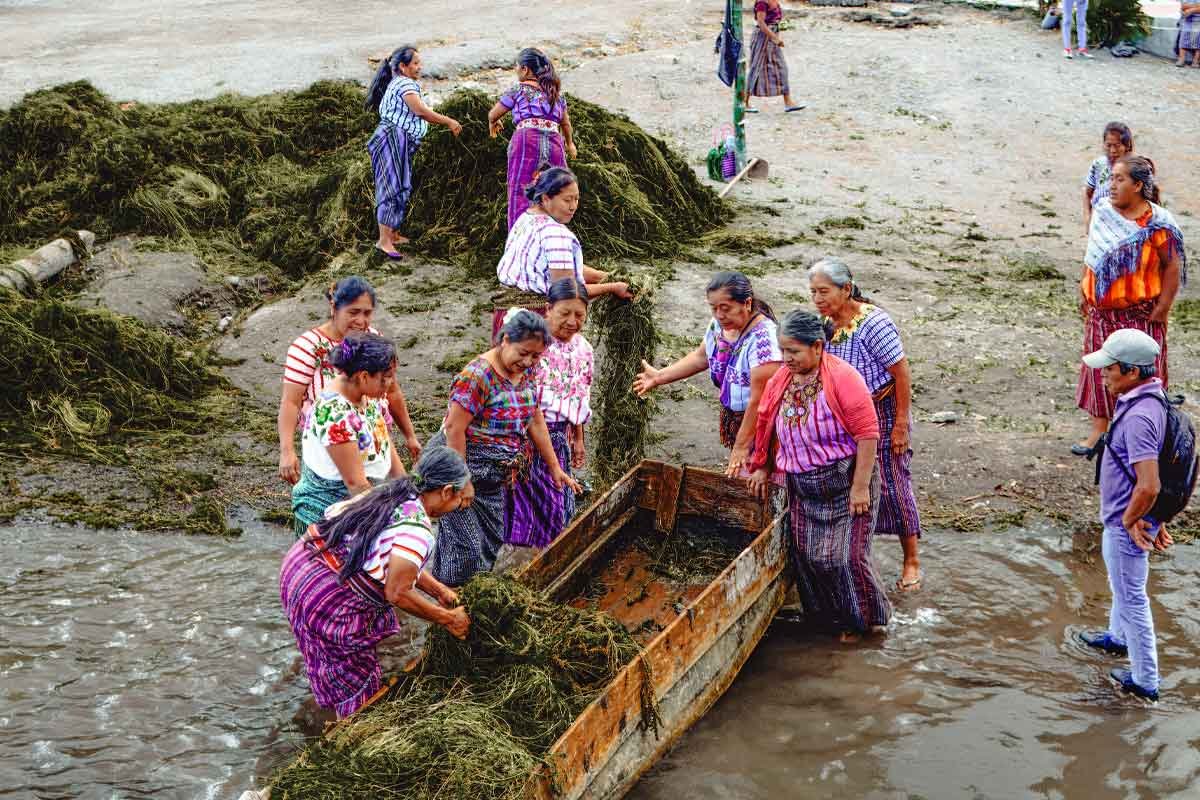
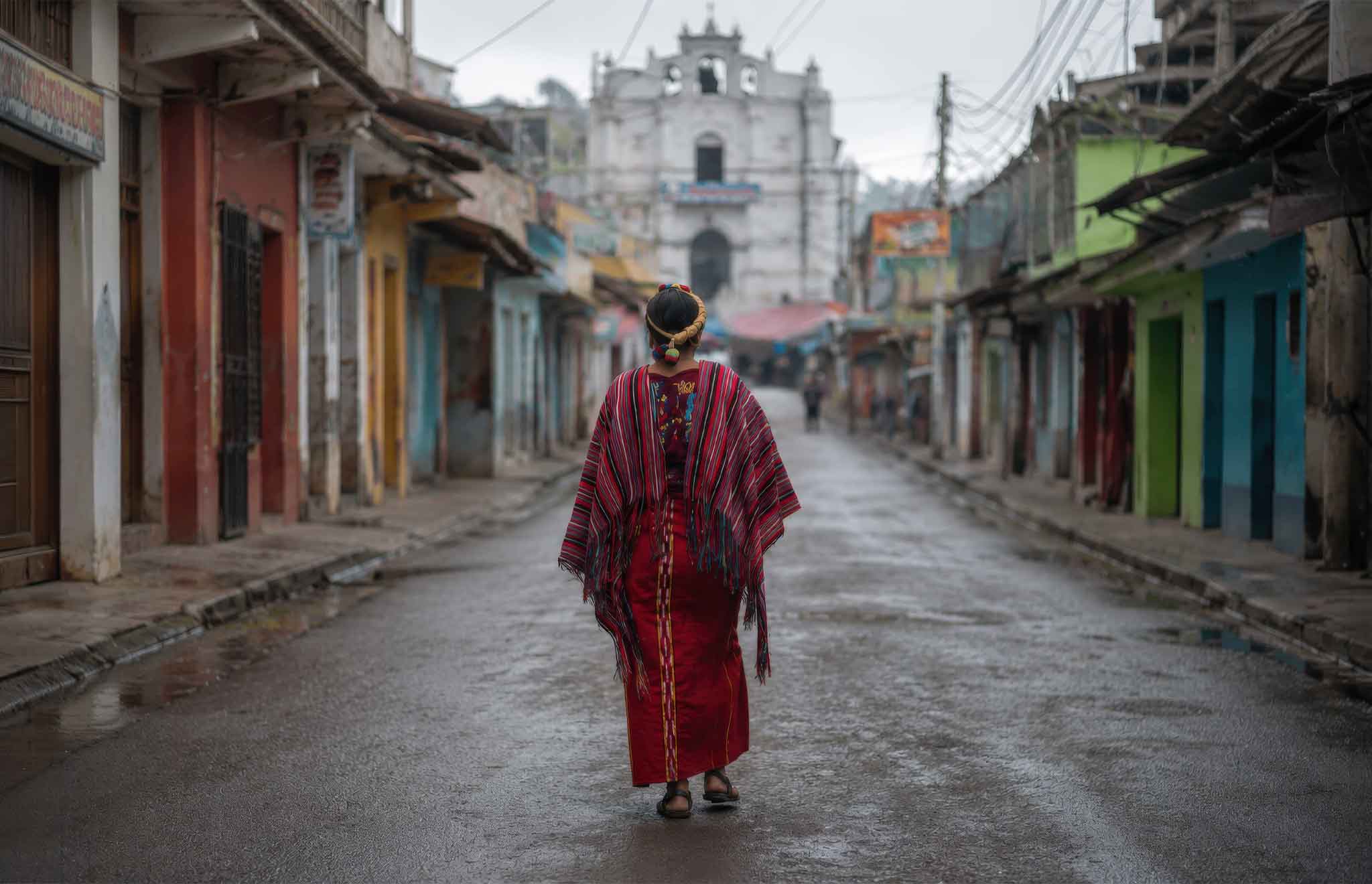
In a weaving village, you encounter women who were taught backstrap looms as little girls. They teach you how a basic waist belt and wooden bar can secure a whole fabric. Then you begin to see the pattern in every fragment.
Diamonds mark the universe, zigzags mark the mountain or lightning, and specific color combinations represent a village or a stage in life, such as marriage or mourning. When you attempt a few rows yourself, you feel how slow, precise, and patient the work is. Purchasing a huipil or scarf from the weaver is not a souvenir; it is a straightforward means of compensation for the time, skill, and history in the cloth.
3. Ancestral Flavors
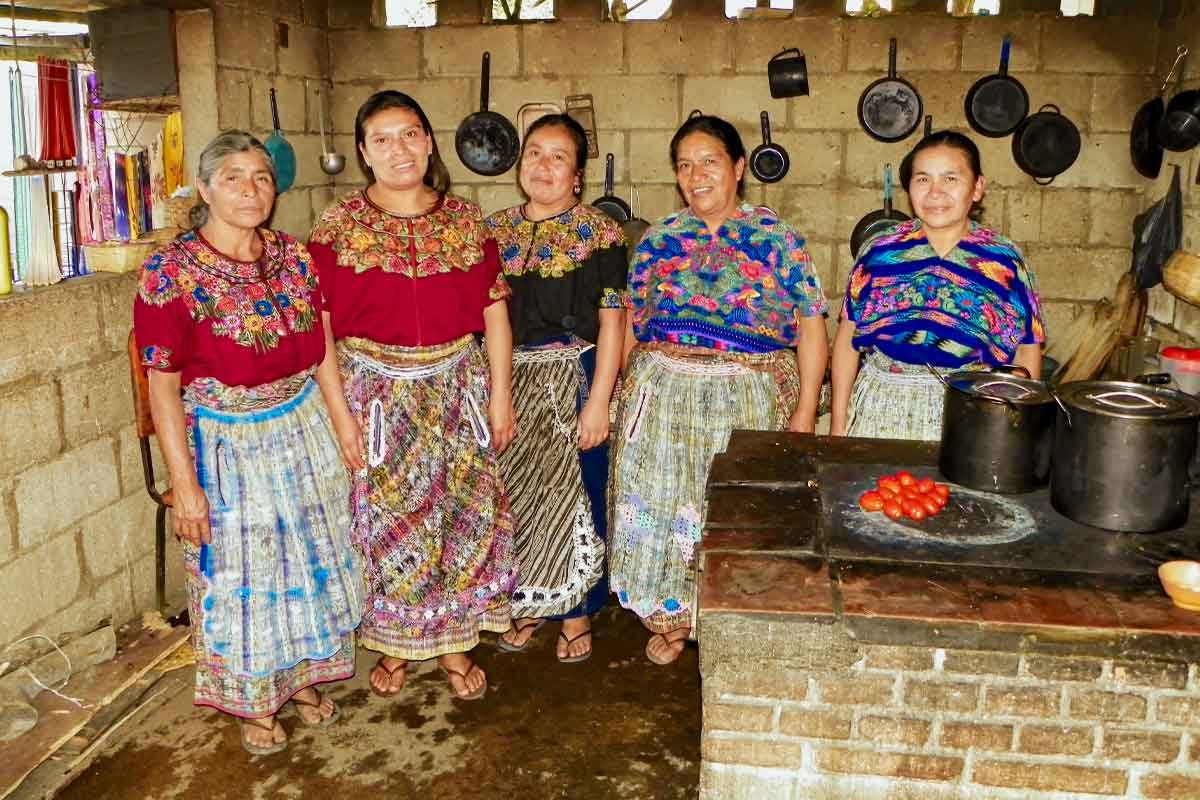
Food opens another portal into Maya's memory. You taste dishes made with maize, beans, squash, cacao, and native herbs; fresh tortillas; Pepián with rich, toasted seeds; Kak'ik soup with local spices; and Atol drinks made from ground corn.
In a home kitchen or community space, you grind corn on a stone, roast chiles, and discuss why tamales appear at births, funerals, and lavish feasts. You understand how recipes are passed down and why certain ingredients, such as native maize, are safeguarded with genuine concern.
You walk away with a concise list of cuisines to track down in each area, which you use as a roadmap to select little, family-owned joints.
4. Healing Plants
Strolling with a local shaman, you wander at a deliberate, lazy pace between crop fields and forest margins. You discover what leaves soothe the stomach, what roots assist with fever, and what plants are reserved for serious ritual work. Remedies are precise but straightforward: fresh infusions, steam baths, or salves made with local oils.
You could assist in making a muscle balm or a sleep tea, all under careful guidance. Your shaman will emphasize that these plants are a part of this land, and respect means not plucking or exporting them. You notice how health, land rights, and cultural survivalsit side by side.
5. Living Language
In the town squares or the family hearth, you listen to the prayers in Kaqchikel, Tz'utujil, or Q'eqchi'. The sound itself narrates for you the way ancient thoughts come forward. You rehearse mini monologues for greeting elders, thanking hosts, or getting photo permissions.
Local teachers describe how every language has its own means to designate time, place, and kin. You know that when a language dies, entire strata of knowledge threaten to die with it, from the names of crops to formulas of magic.
When you invest in language lessons or support programs that help kids read and write in their own tongue, you inject real momentum into preserving that knowledge.
The Unscripted Moments
It's the unscripted moments that turn your time in Guatemala from "trip" to "relationship." To make room for it, you require a loose frame, not a full calendar. A simple checklist helps plan one anchor activity per day, for example, a private visit to a Maya weaving cooperative, keep at least half a day open, walk without headphones, and say yes when hosts suggest minor detours, like a stop at the local mill or market.
These spaces are where unvarnished real life peeks in. Cherish those little unscripted moments more than the big productions. Unscripted moments, like a 15-minute chat with a farmer about this season's maize, can tell you more than a choreographed dance in a hotel courtyard.
When you book private, community-run tours, request your guide to focus on daily life rather than "performances." Be clear that you're okay with breaks, rain, children dashing through the shot, and moving schedules. Those "imperfect" moments are often what you remember most.
Beyond Observation
In indigenous villages, you transition from onlooker to visitor when you enter the stream of everyday effort. That could be shucking beans next to an elder, grinding cacao, or, if they're inviting you, assisting with setting up chairs for a ceremony. You don't need special skills; you need to walk in their footsteps and keep pace, staying open to the little things that appear effortless but are meaningful.
Dive beyond surface details with your questions. Not 'Can I take a picture,' but 'Who taught you this?' or 'When do kids learn this craft?' Content follows, insight leads. If you feel a lag or a closed response, retreat. There are certain rituals, altars, or family moments that aren't for visitors, even on a paid private tour.
When your sherpa tells you somewhere is off-limits, consider it one of the privileges of being there.
Shared Laughter
Bonded laughter bridges language divides more quickly than any phrasebook. You may giggle at an out-of-place step in a folk dance, a K'iche' tongue twister you can't say, or kids mimicking your accent and then running and hiding. You don't have to stress it; light moments come when you embrace little mistakes and allow people to see you as you are.
If it's a local festival or saints' day, you'll be beckoned to stand along a procession, jump into a circle dance, or sample from a communal pot. Say yes when it's respectful, and a host is leading you. No acting here, you're not there to act a scene, but to join in and share a scene that already exists without you.
In these rooms, happiness is not an asterisk to "important" art; it's the art. If you remember that, you escape making every encounter instructive and instead let it be just plain, human joy.
Quiet Understanding
Not all significant moments in a Maya community are exuberant. Some of the most meaningful ones are almost silent: standing at a lakeside shrine while incense rises, or watching fog move over a sacred hill used for fire ceremonies. You don't need chatter to make these minutes matter. Your presence and focus are sufficient.
That is when someone shares a story, myth, or family history, listen without interrupting. Hold on until they have stopped, and your guide indicates that questions are invited. Observe how they sit, where they put their offerings, and how they greet the older ones.
These tiny unscripted moments demonstrate to you what respect looks like there, much more than any rule list. Quiet might seem weird initially. It's frequently an invitation. If you can sit with it instead of jamming it full of babble or snapshots, you demonstrate that you embrace their cadence, not just your own.
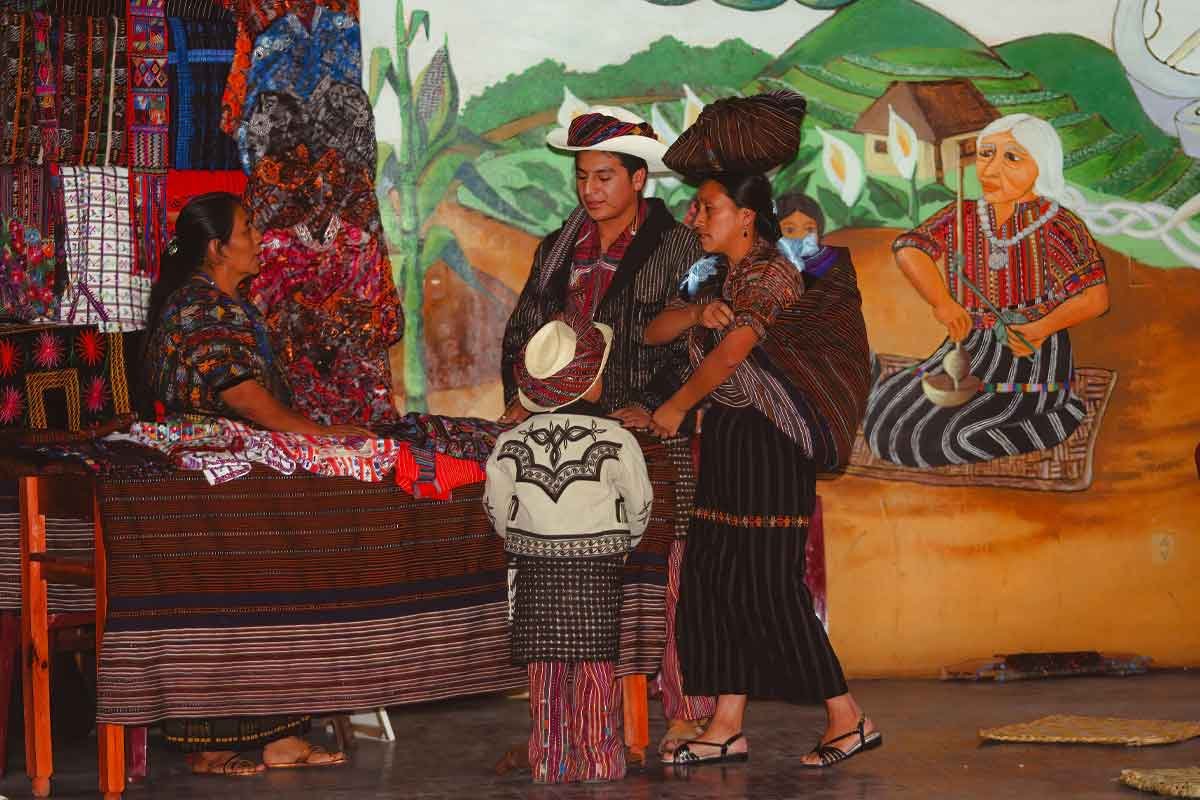
Your Role in Cultural Preservation
The decisions you make before, during, and after a trip to Guatemala silently sculpt the kind of cultural tourism that will endure. When you book a private visit for indigenous cultural experiences, join a Maya fire ceremony, or plan authentic community time for 2026 and beyond, you're voting with your time and money for the kind of world you want to travel in.
You determine which traditions remain in sight by what you view and purchase. Pick tours led by indigenous hosts that are based on consent, fair compensation, and sustainable benefit. You influence the language used to describe guides, elders, and rituals in marketing materials, reviews, and social media. You can instead view the trip as the initial stage of a learning journey, not a one-time "checklist" moment.
The Conscious Traveler
Study Guatemalan history, Maya calendars, and local customs in advance. At least learn some Spanish or local pleasantries. Know what ceremonies mean so you won't perform them like spectacles. Check with your operator ahead of time regarding dress and photo policies.
Travel light, thoughtfully. If the community asks for school supplies, plain notebooks, or tools, bring those instead of a grab bag of random presents that could breed dependence or go to waste. Remember airline restrictions and local waste infrastructure to keep everything practical and manageable.
Follow on-the-ground sustainability practices: refill a single water bottle, say no to single-use plastics, keep to marked paths at sacred sites, and avoid touching altars or offerings. If a village regulates firewood, water use, or night noise, consider those non-negotiable.
Check in with yourself as you go. Question why you want to participate in a ritual, why you snap a photo, and why you post a story. When you catch yourself saying 'this will look great online,' take a moment and recalibrate.
The Ethical Exchange
Ethical exchange means you pay a fair price for what you get and don't treat culture like a flea market. Opt for private tours where you can see exactly what you're paying for, and where guides can explain how the cost is divided among the operator, the community, and the hosts themselves.
If you purchase a hand-woven textile or ceramics after a ceremony, pay the requested price unless the vendor encourages soft bargaining and appears at ease. Walk away from "secret" or "off-menu" ritual access that bypasses local leaders. Send unambiguous, truthful feedback to tour companies if you witness exploitative situations, token dances, or kids being pressured to hustle visitors. Discuss these benchmarks in your reviews so other travelers begin to anticipate the same.
The Future Legacy
| How you act | Practical example in a Guatemalan context |
| Share with care | Write a trip report that names the community only with consent, avoids geo‑tagging sacred spots, and explains etiquette for future guests. |
| Model respect online | Post fewer photos of faces, more of landscapes, crafts, and your own reflections on learning from Maya traditions. |
| Back long‑term projects | Support a scholarship fund, women's weaving cooperative, or language school you visited with a yearly donation in EUR or USD. |
| Center elders' voices | Book tours that include elder storytellers, ask for their consent before recording them, and quote their ideas rather than your interpretation. |
Once you're back, keep in touch if you're invited, read up on Maya history, and call out anyone who refers to "native experiences" as exotic or affordable. Your cool, educated resistance makes this travel stay thoughtful, not hip.
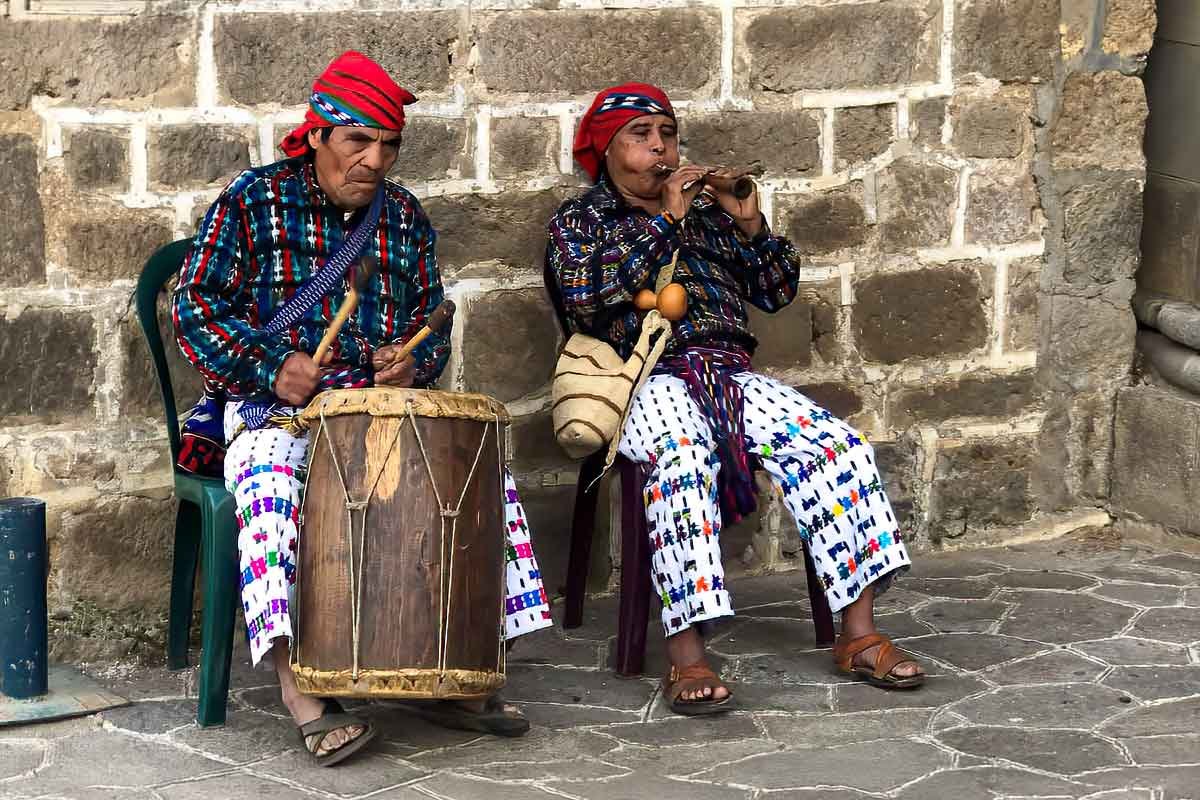
How We Ensure Authenticity
You want to have real indigenous cultural experiences in Guatemala without turning them into a spectacle. The method is to empower communities in decision-making and continually verify that your visit continues to work for them, not just for you.
| How authenticity is protected | What actually happens | Why it matters to you and hosts |
| Direct collaboration with indigenous leaders | Community councils help choose activities, hosts, and protocols | You join real community life, not staged "for-tourist" moments |
| Careful vetting of each experience | Check rituals, crafts, and visits with elders before you go | You see practices as they are lived, not invented |
| Small, controlled group sizes | Often 2–8 guests per visit | You avoid the crowd impact and keep space for real exchange |
| Ongoing community feedback | Hosts review visits and change what no longer feels right | Your trip stays aligned with current needs, not old plans |
Community-Led Design
You don't step into a ready-made screenplay. It is local leaders who assist in determining which homes you enter, which ceremonies you may share, and which aspects of daily life remain private.
A weaving circle in a K'iche' village, a seedcan-saving workshop, or a dawn lake offering to honor the ancestors all happen if people there want to put them on. It centers attention on what counts within the community.
That could be more time with older men protecting Maya calendars or with midwives preaching herbal lore than with whoever's got the largest visitor's hut. If a cacao ritual or fire ceremony feels too intimate in a particular season, it's put on hold.
Profit doesn't go to the same family over and over again. Hosting rotates between households, craft co-ops, and youth groups, so the rewards diffuse. You join one family for a meal in 2025. Your friend who comes in 2026 meets another, but both visits support the larger community.
Plans adhere to the actual ritual calendar. If a village is gearing up for a big feast, you might find your visit turning toward market prep, altar building, or music practice. You sync the beat to what's happening on the ground rather than impose a rigid tourist schedule.
Guide as Interpreter
Guides connect your questions with the language and culture of each destination. They speak Spanish and the local Maya language, and they can articulate both practical advice, such as how to greet an elder, and more profound concepts, such as why fire figures in ancestral rites.
They prep you for every visit on dress, photos, and what is okay to ask. Then they hover near enough to interpret when you're in the mood for a deeper chat with a host, but back enough that you can have an actual one-to-one moment.
You get to hear about more than just 'the community'; you also hear the guide's personal story. Some had grown up in nearby villages, had walked the same footpaths to school, or had learned farming traditions from their grandparents.
When they share that, you don't see culture as a museum artifact; you see it as a living presence.
Reciprocal Partnership
You're walking into a relationship that was established well before you made your reservation. We have crystal-clear pacts on hosting hours, reasonable rates, privacy, and the handling of photos and recordings of ceremonies, so no one has to do last-minute negotiating.
Cash is no enigma. A fixed share remains in the community for items they select, such as school supplies, a water system, or support for a women's cooperative. You can inquire where your money goes and receive a direct response.
Communities have room to speak to what is failing. If a visit seems hurried or a ritual seems too revealed, the menu shifts right along with them at the table.
That's why these are evergreen links, not a one-season project. When you come back in 2026 or later, you walk into something that has stretched, not frayed.
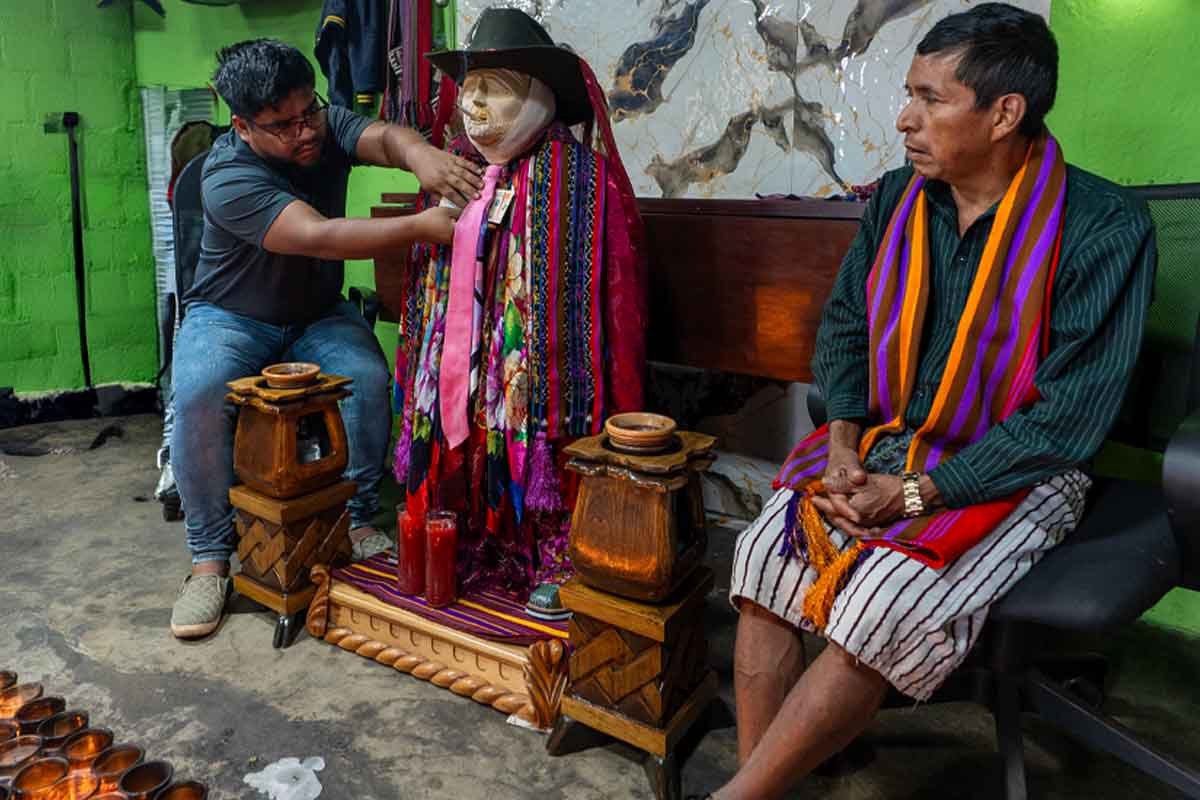
Preparing for Your Journey
You craft the experience of your days with Maya and other native peoples well before you touch down in Guatemala. How you pack, speak, and show up will determine how welcome you feel and how much people want to share with you.
Check out culturally sensitive and comfort-focused packing lists. Select plain, understated outfits that cover shoulders and knees for your village visits, ceremonies, and community gatherings. A light long-sleeve shirt, loose trousers, or a knee-length skirt work better than shorts or tight tops. Neutral colors help you blend in more than flashy neon sportswear.
Bring a scarf or light shawl for altars and sacred spaces where you might want to cover your head or shoulders. Wear closed shoes for rocky trails and damp earth, and a light rain jacket if you're visiting during the rainy season (approximately May to October). Leave that bling and expensive watch back at home, where the spotlight belongs on your hosts, not you.
Include a mini notebook, a pen, and a refillable water bottle to stay grounded and avoid creating waste. Teach yourself some key phrases and gestures to communicate respectfully. Just a couple of words in Spanish and a local Maya tongue exhibit attentiveness. Basic Spanish like "Buenos días," "Muchas gracias," and "Con permiso" – simple things like 'good morning', 'thank you', and 'may I pass' – go a long way.
If your guide shares them, use rudimentary K'iche', Kaqchikel, or other local-language greetings, for instance, "Maltyox" ('thank you' in K'iche'). Request consent before photographing, and have your guide help you phrase the request. A slight bow of the head, eye contact, and silence during prayers are clear markers of respect.
Establish reasonable expectations for flexibility and engagement. Private tours are flexible, but the communal lifestyle does not operate by a rigid schedule. Ceremonies might begin behind schedule or run longer than expected, or shift with the weather. You might be asked to perform basic chores, such as grinding maize, assisting with tortilla shaping, or positioning candles at a fire altar.
You don't need to accept every invitation, but you should be prepared for more intimacy than in a typical tourist encounter. Disclose any restrictions upfront, such as medical conditions or accessibility challenges, so your guide can accommodate them.
Get ready for mind-melting, immersive experiences. Ancestral rituals can be silent, fervent, and even brutal. You could be standing at a fire ceremony on a hilltop, listening to prayers in an unknown language, or hearing tales of historical violence and current strength. Go in with clear intent: why you are there, what you hope to learn, and what is not your place to ask for.
Prepare for your journey. You can reflect and be moved, but don't try to 'fix' anything or seek personal healing if that wasn't part of the ritual guide's protocol. Give yourself some time after each day. Jumping into noisy bars or into packed schedules immediately after a ceremony will make it harder to digest what you saw and heard.
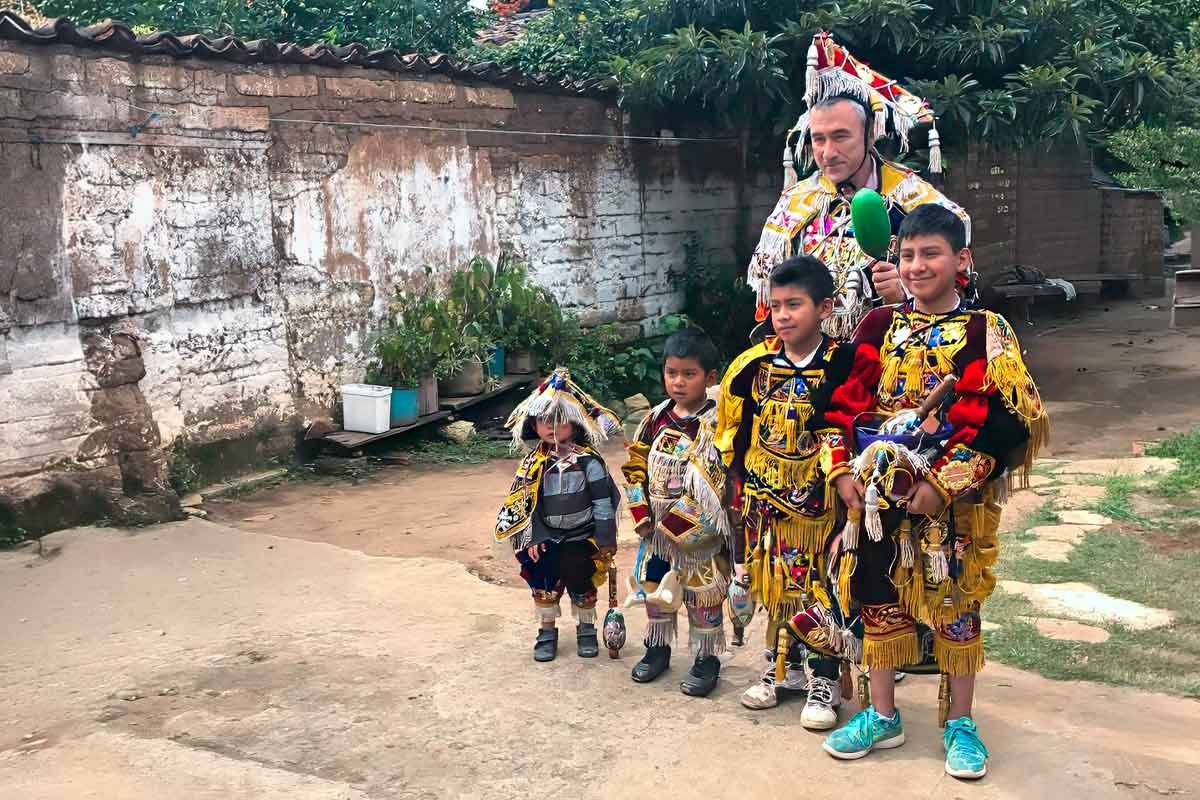
Conclusion
You are at a sweet spot. You'll want actual connections with Maya hosts in Guatemala, not a tourist production. You need defined itineraries, secure land transportation, and room for reflective pauses that linger after you return home.
A dawn fire ceremony in the highlands. Passing corn tortillas around a family yard. Slow talk with an aging man recounting a tale from his grandfather. These are the days that define your concept of place, faith, and time.
If you're up for that sort of journey, start forming your dates, budget, and comfort threshold. Connect, inquire, and reserve the private tour that values both you and the community with genuine respect.
Have You Got Questions?
Frequently Asked Questions: Private Indigenous Tours in Guatemala.
1. What makes private indigenous tours in Guatemala different from regular group tours?
‘Private indigenous tours’ offer direct, respectful access to Maya communities. You go at your own speed, inquire openly, and participate in daily life, not scripted entertainment. This translates into more interesting dialog, richer discovery, and less tourist bus cramming your space.
2. Are the Maya cultural experiences authentic or staged for tourists?
You join real community life: family kitchens, local markets, workshops, and ceremonies led by recognized Maya spiritual guides. There’s nothing posed for photos. Our partners are community-based organizations and elders, so your visit sustains living traditions and not tourist spectacles.
3. How do these tours support indigenous communities and cultural preservation?
You pay community hosts, guides, artisans, and spiritual leaders. You help sustain fair wages, language preservation, and ancient rituals. Several visits support local initiatives, including education, reforestation, or cultural centers selected by the community.
4. Can I respectfully join ancestral rituals and Maya ceremonies?
Yes, when called upon by the community and the shaman. We provide a briefing on behavioral, dress, and photographic etiquette. You’re a visitor, not a voyeur. You might bring flowers, candles, or corn, but it’s always optional and consent-based participation.
5. Is any previous knowledge of Maya culture required before joining?
No experience required. Your local guide unpacks history, symbolism, and ceremony in accessible detail. You learn step by step what you are seeing, why it matters, and how it connects to today’s Maya life, not only to ancient ruins.
6. How should I prepare for an immersive visit with indigenous communities?
Dress modestly, wear comfortable clothes, and closed shoes. Pack some sun protection, a reusable water bottle, and a respectful attitude. If you can, learn a few local greetings. Leave the bling and heavy cologne at home. Above all, arrive prepared to listen rather than talk.
7. Is it safe to visit remote Maya communities on a private tour?
.

0 Comments