Maya History in Guatemala: A Civilization Rooted in Nature

Maya history in Guatemala reflects a profound relationship between the environment and cultural development. The ancient Maya were resourceful and adaptive, using the natural world to shape every aspect of their daily life, architecture, agriculture, and spirituality. Visitors to Guatemala can still witness these remarkable traces of history in cities like Tikal and other important archaeological sites.

Early Maya Livelihood: Living from the Land

Nearly 4,000 years ago, the first Maya communities sustained themselves by hunting, fishing, and gathering wild fruits. As they transitioned to permanent settlements, they began cultivating essential food crops like maize, beans, and squash through advanced agricultural techniques while continuing to hunt wild game for sustenance and ceremonial purposes.

Natural Resources as Tools and Textiles

Nature was the Maya’s greatest provider. They utilized a variety of resources:

  • Plant fibers such as cotton for weaving cloth.

  • Fig tree bark (amate) to create paper for codices.

  • Animal skins for clothing and ceremonial use.

  • Stones like limestone and flint, and hardwoods like chicozapote for tools and construction.

These raw materials formed the basis for both everyday living and sacred practices.

The Role of Water in Maya Settlements

Access to water was critical, which is why Maya cities were often established near rivers and lakes. Ingeniously, they:

  • Dug irrigation canals to water crops.

  • Built artificial reservoirs (aguadas) fed by complex canal systems.

  • Chose elevated ground to avoid floods and store water.

In places like Tikal National Park, these adaptations are still visible today, offering fascinating insights into Maya engineering.
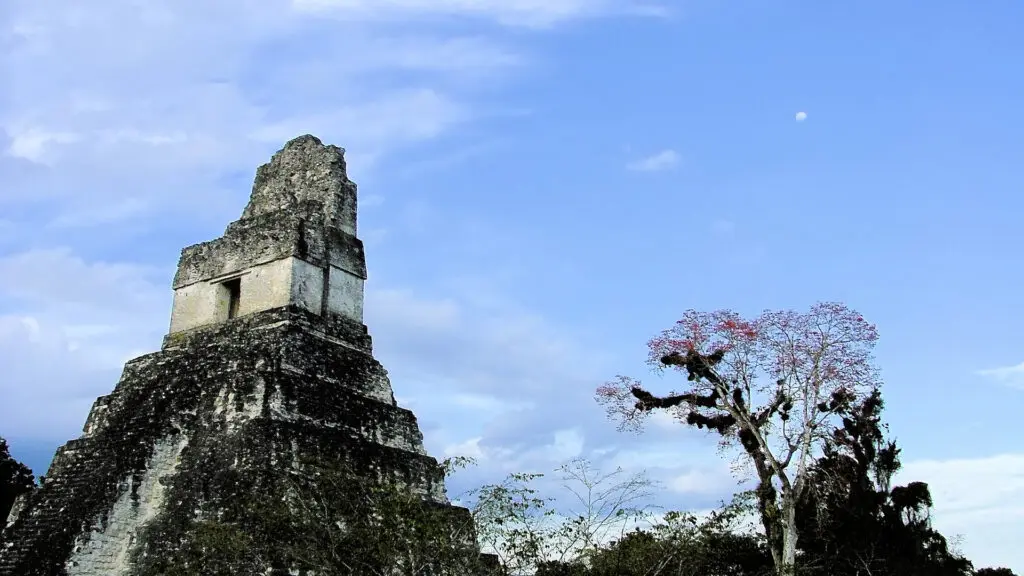
Guatemala vacation package Tikal National Park

Maya Architecture and Urban Planning

Most Maya temples and homes were built on platforms to adapt to uneven terrain. These platforms:

  • Prevented flooding.
  • Created sacred spaces.
  • Featured stairways and plazas with central ceremonial buildings.

You can climb many of these ancient platforms during your visit to Tikal, where the layout reveals the harmony between Maya history in Guatemala and the natural landscape.

Experience Maya History in Tikal

Tikal National Park, a UNESCO World Heritage Site, is one of the most iconic locations to explore Maya history in Guatemala. Walk among towering pyramids, ceremonial platforms, and jungle-covered temples that once formed one of the most powerful Maya cities.

Book Your Guatemala Vacation Package

At Martsam Travel, we offer tailor-made Guatemala vacation packages that immerse you in the heart of Maya civilization. Whether you’re exploring Tikal, Yaxha, or hidden archaeological gems, our expert guides connect you with Guatemala’s rich heritage and vibrant present.

Ready to uncover the secrets of the Maya? Contact us to begin your journey today.

What is traditional Maya clothing in Guatemala?

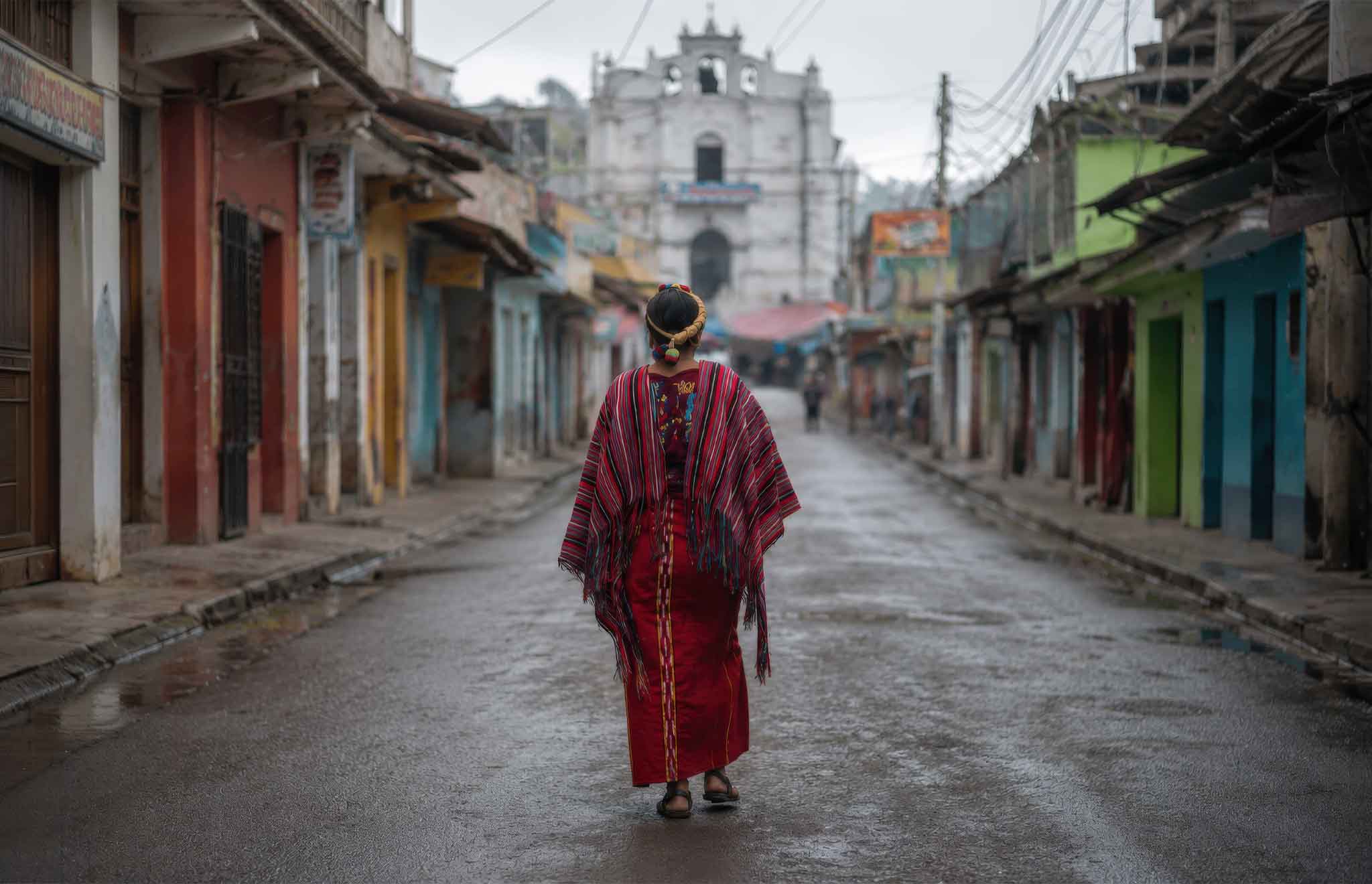
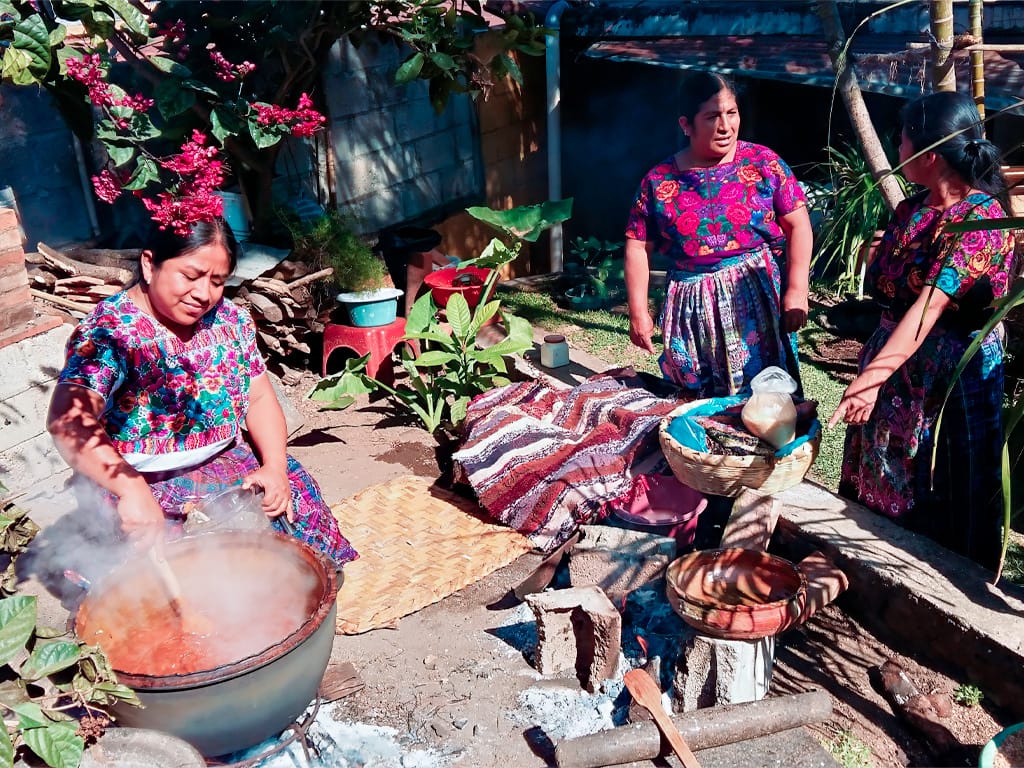
Traditional Maya clothing includes garments such as huipiles, cortes, fajas, and ceremonial textiles worn by many Indigenous communities throughout Guatemala.

What is a huipil?

A huipil is a handwoven blouse traditionally worn by Maya women. Designs vary between communities and often reflect local traditions, identity, and artistic expression.

Why do Maya textiles differ from one community to another?

Different communities have developed distinct weaving styles, colors, motifs, and techniques over generations, creating a rich diversity of textile traditions throughout Guatemala.

What is a backstrap loom?

A backstrap loom is a traditional weaving tool attached to both a fixed object and the weaver's body. It remains widely used in many Maya communities today.

What is a Corte in traditional Maya clothing?

A corte is the traditional skirt worn by many Maya women in Guatemala. Typically made from woven fabric, cortes vary in color, pattern, and style depending on the community. They are often worn with a huipil and secured with a woven belt known as a faja.

What is a Tzute?

Used in many Maya communities for both practical and ceremonial purposes, the tzute is a versatile woven cloth that may carry goods, cover the head, protect food, wrap sacred items, or complement traditional attire. Its designs and uses differ among communities.

What is a Faja?

Serving as both a functional and decorative garment, the faja is a handwoven belt used to secure a corte around the waist. Colors, patterns, and weaving techniques often reflect regional traditions and local craftsmanship.

What is a Backstrap Loom?

Still widely used throughout Guatemala, the backstrap loom is a traditional weaving tool attached to both a fixed object and the weaver's body. This technique allows artisans to create intricate textiles while maintaining centuries-old weaving traditions.

Are traditional Maya textiles still worn today?

Yes. Traditional Maya clothing continues to be worn in many communities throughout Guatemala as part of daily life, celebrations, religious events, and cultural gatherings.

Why do Maya women still wear traditional clothing in Guatemala?

Traditional Maya clothing continues to be worn for many reasons, including cultural identity, family traditions, community belonging, practicality, and personal choice. While styles and materials continue to evolve, traditional garments remain an important part of everyday life in many Maya communities.

How can travelers support Maya weavers?

Travelers can support Maya weavers by purchasing handmade textiles directly from artisans or reputable cooperatives, paying fair prices, and learning about the cultural context behind the garments.

Maya World Travel Blog

Maya World Travel Blog

by Martsam Travel

“Stories, insights, and cultural journeys through the Maya World — curated by Martsam Travel.”

Recent Posts