Guatemalan Artisan Tour – Authentic Cultural Journeys

Guatemalan Artisan Tour:

Highlights:

  • A Guatemalan artisan tour with Martsam Travel immerses you in a living heritage where ancestral knowledge, regional pride, and traditional methods create modern-day masterpieces.

  • Local artisans work with sustainable, natural materials like cotton and wood, emphasizing eco-consciousness and the ecological advantages of ethical sourcing.

  • Every handwoven item is imbued with symbolic storytelling — community, culture, and the artisan’s own life, reflected in motifs, patterns, and colors.

  • From backstrap weaving and natural dyeing to embroidery, wood carving, and ceramics, traditional techniques require remarkable skill and care.

  • Artisan crafts empower communities economically, preserve cultural heritage, and support sustainable livelihoods — often through fair trade and cooperatives.

  • Traveling with Martsam Travel connects you directly to these makers, giving you the chance to meet, learn from, and support them in person.

The Soul of Guatemalan Crafts

Guatemalan crafts are not simply objects — they are living connections to centuries of history. Every handmade textile, ceramic, or wooden carving tells a story of tradition, skill, and meaning.

On a Martsam Travel Guatemalan artisan tour, you’ll experience these traditions up close. You might sit beside a weaver in San Juan La Laguna as she works the backstrap loom, or join a master carver in Totonicapán as he shapes wood into ceremonial masks.

Guatemalan artisan tour – Maya woman using a colorful backstrap loom teaches a traveler the traditional art of weaving in Lake Atitlán

1. Ancestral Knowledge

It’s ancient wisdom that forms the soul of Guatemalan crafts. Generations of Maya weavers have passed down their techniques, each step shaped by elders guiding younger hands.

Handwoven textiles are often made by women using backstrap looms, just as their ancestors did. Every thread holds the wisdom of history, making the weaving both a personal and communal act. Elder artisans are living archives, preserving integrity and ingenuity for the next generation.

When you travel with Martsam, you don’t just see the final product — you witness the process, sometimes even trying your hand at the loom.

2. Regional Identity

Guatemala’s diverse regions influence artisan designs in unique ways. Antigua’s textile culture reflects colonial history, while the villages around Lake Atitlán favor bright colors and geometric patterns. Other communities use earth tones or embed symbolic imagery from local legends.

A Guatemalan artisan tour takes you to these regions, letting you see how each community’s history and environment shape its artistry.

3. Natural Materials

Artisans rely on the earth’s gifts: cotton, wood, clay, and natural dyes made from plants, roots, and insects. The Tz’utujil tradition, for example, uses botanical dyes to create vivid threads that last for generations.

On tour, you might help prepare these dyes, learning how raw leaves become brilliant blues or deep reds.

4. Symbolic Storytelling

Patterns and motifs in Guatemalan crafts are more than decoration — they are language. They tell stories of heritage, faith, and community, identifying the maker and their origin. Each piece is a stitch in the broader tapestry of Guatemala’s identity.

5. Imperfect Beauty

Slight variations in weaving or carving aren’t flaws — they’re the human touch. This “wabi-sabi” quality makes each item unique, a genuine reflection of the artisan’s hand and heart.

Guatemalan artisan tour – Maya woman spinning cotton thread with ancestral spindle in rural highlands

Threads of History

Guatemala’s artisan jewels are connected to centuries of history, molded by traditions and events of the past. These beautiful creations, including handmade items like bracelets and unique designs, reflect the vibrant weaving traditions of the indigenous Maya communities. The evolution of crafts showcases the artistry where ancient Maya heritage, colonial influence, and modern resilience converge.

Era

Main Influence

Key Materials

Craft Examples

Pre-Columbian (Maya)

Indigenous beliefs, symbolism

Cotton, natural dyes

Backstrap weaving, jade carving

Colonial

Spanish, Catholic iconography

Wool, silver, and new tools

Embroidery, candle making

Post-Independence

Local adaptation, trade

Mixed fibers, glass

Mixed-fiber textiles, beadwork

Contemporary

Global trends, tourism

Synthetic dyes, new yarns

Fashion accessories, modern ceramics

A Martsam Travel Guatemalan artisan tour allows you to trace these histories not through textbooks, but in the hands of living artisans.

Maya man carving ceremonial dance mask in a morería workshop, surrounded by colorful masks in Guatemala

Hands of the Masters

Meeting the artisans is the highlight of any Martsam tour.

  • Backstrap Weaving: Watch as artisans spin cotton, string looms, and weave intricate patterns, each design linked to village, family, and faith.

  • Natural Dyeing: Discover how plants and minerals are transformed into rich, lasting colors.

  • Intricate Embroidery: Learn how stitches create stories — flowers, animals, and sacred symbols.

  • Wood Carving: Visit workshops where cedar and mahogany become masks, saints, and figures.

  • Ceramic Traditions: See clay shaped into both functional and ceremonial forms, connecting today’s artisans to their ancestors.

A Language in Color

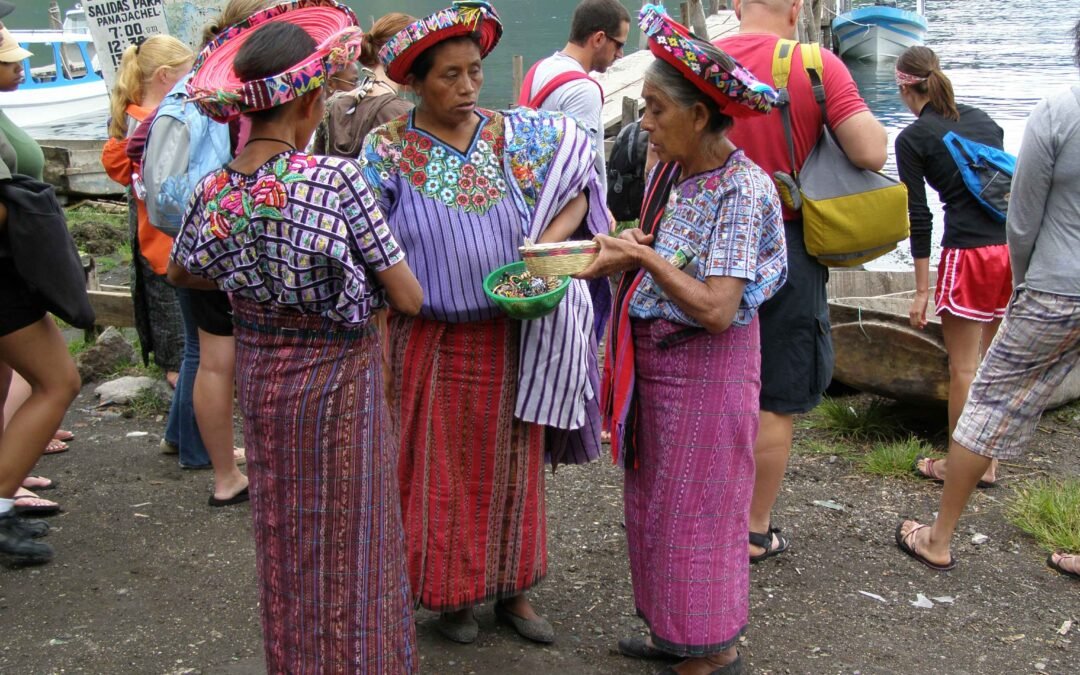
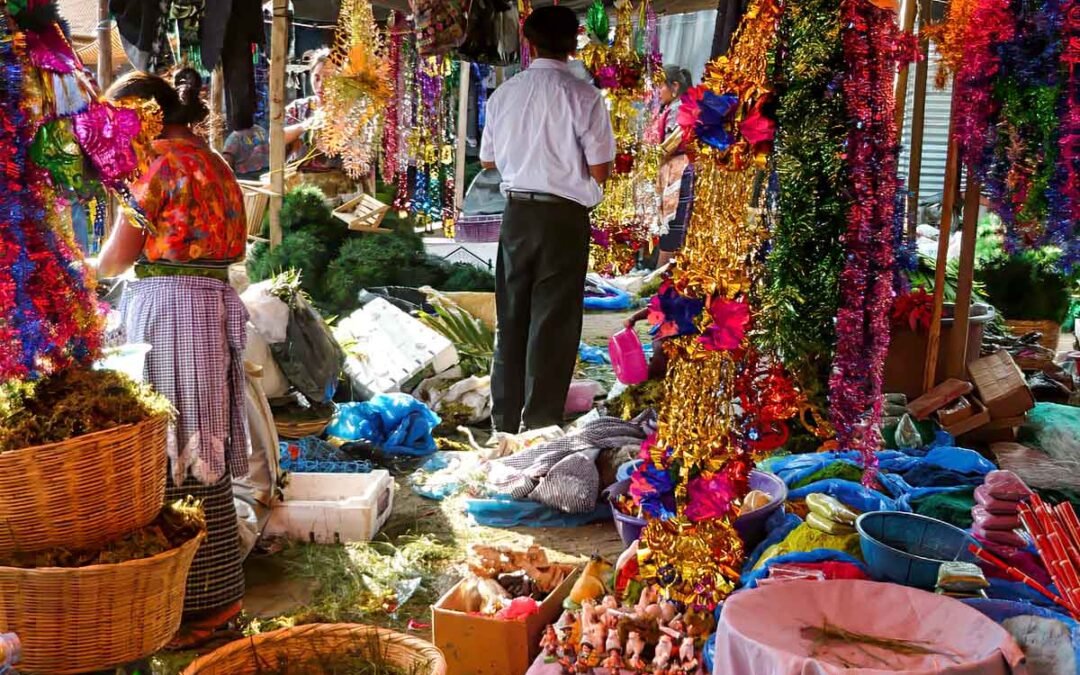
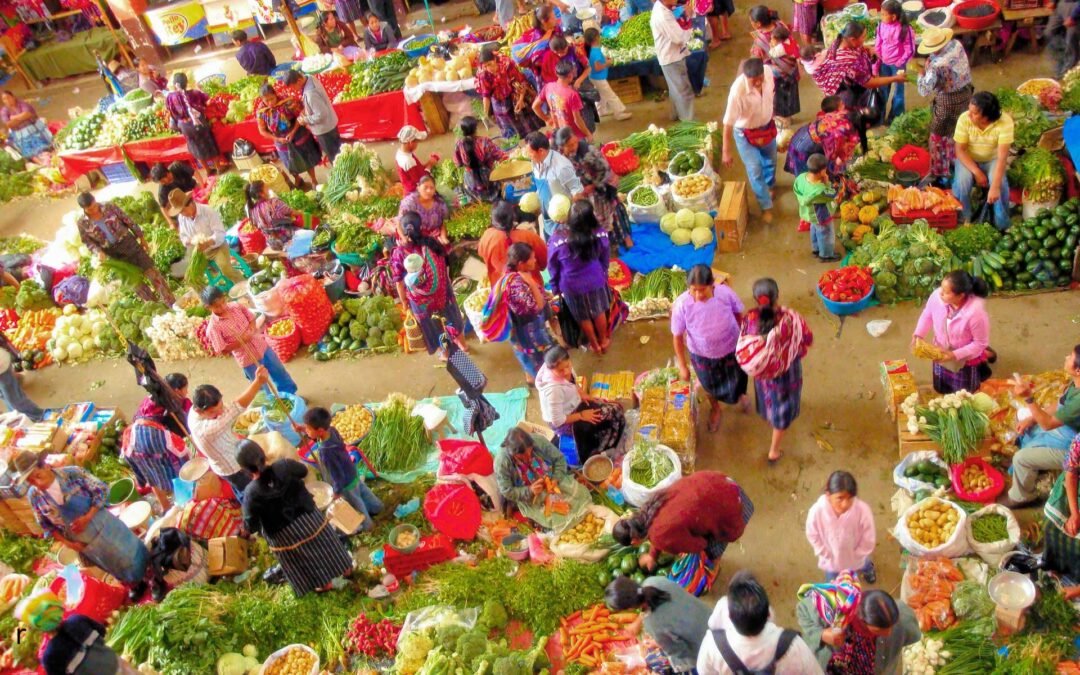
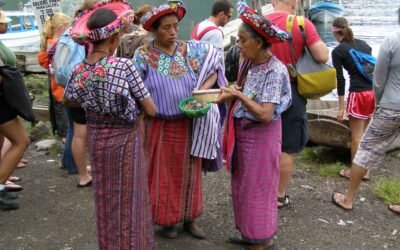
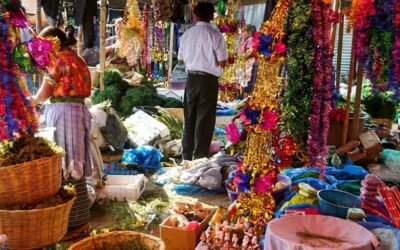
In Guatemala, color is a narrative. In markets like Chichicastenango or Sololá, vibrant huipiles, ikat shawls, and ceremonial cloths speak of seasons, beliefs, and social identity.

On a Guatemalan artisan tour, you’ll learn how each shade has meaning — from the deep blues of Lake Atitlán to the reds symbolizing life and strength.

Traditional Garments

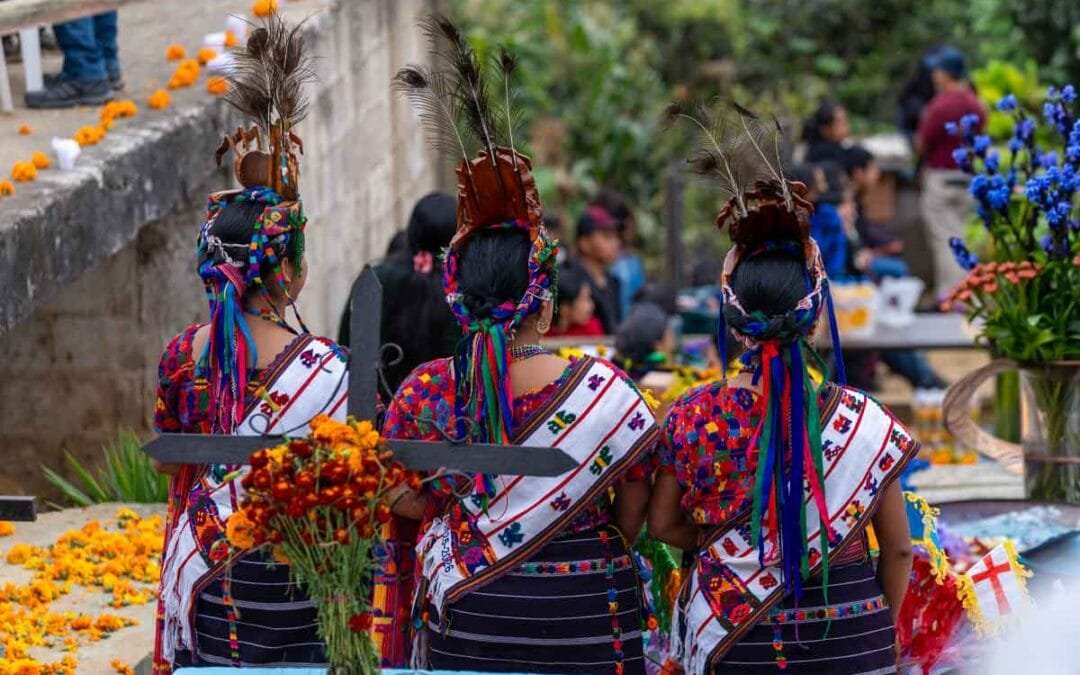
  • The Huipil: A woven blouse with patterns that identify the wearer’s hometown.

  • The Corte: A skirt symbolizing family pride and community identity.

  • The Faja: A belt that’s both functional and a statement of heritage.

Weaving a Better Future

By choosing a Martsam artisan tour, you contribute to:

  1. Economic Empowerment — Especially for women in rural communities.

  2. Cultural Preservation — Keeping ancient skills alive.

  3. Sustainable Practice — Supporting eco-friendly materials and processes.

Beyond the Borders

Guatemalan crafts are admired worldwide, but the most meaningful way to experience them is here — in the villages, with the makers, hearing their stories.

Martsam Travel brings you into these spaces with respect and care, ensuring your visit benefits both traveler and host.

Conclusion

Guatemala’s artisans are guardians of history, skill, and creativity. Their work — vibrant, symbolic, and full of soul — bridges past and present.

A Guatemalan artisan tour with Martsam Travel is more than a trip; it’s a connection to the heart of the country. You leave not just with a craft in hand, but with a story in your heart — one you’ve lived, shared, and helped sustain.

Plan Your Guatemalan Artisan Tour with Martsam Travel
Your trusted local DMC and tour operator, Martsam Travel, crafts immersive journeys that connect you directly to Guatemala’s master artisans. From the weaving cooperatives of Lake Atitlán to the bustling markets of Antigua, each tour is designed to be authentic, respectful, and unforgettable.

📧 info@martsam.com

Where to Stay in Belize: Choose the Region First

Before comparing hotels, decide which part of Belize should receive your time. The location of each stay determines which experiences fit comfortably into the day.

Cayo District for Rainforest, Caves and Maya Sites

Stay in or around San Ignacio when Xunantunich, Caracol, cave experiences and the western rainforest are priorities.

A town hotel provides convenient access to restaurants and local life. A jungle lodge offers more privacy, nature and time within the forest. The right choice depends on whether you want to explore every day or enjoy the property between guided activities.

Cayo also provides the most practical base for a day at Tikal, although the international border adds time and formalities.

Ambergris Caye for Reef Access

Ambergris Caye suits travelers who want several days on the water and convenient access to the Belize Barrier Reef.

San Pedro has a wider choice of restaurants, services and boat operators than Belize’s quieter coastal areas. It works particularly well when snorkeling or diving is central to the trip.

The island is more active than secluded. Travelers looking for greater privacy should consider where on Ambergris Caye they stay, not only the hotel category.

Hopkins or Placencia for the Southern Coast

Hopkins and Placencia offer a different Caribbean finish.

Hopkins provides access to Garifuna cultural experiences, nearby nature reserves and the southern reef. Placencia combines a longer beach setting with restaurants, resorts and excursions toward Monkey River and offshore cayes.

Neither should be added simply as another stop. Choose between them according to the atmosphere, activities and accommodation style you prefer.

Can You Combine the Jungle and Beach?

Yes. A journey can begin in the Cayo District and finish on an island or the southern coast.

Seven days can work when the route remains simple. Nine or ten days provide more time for both regions and reduce the pressure created by transfers.

The best combination is not automatically Cayo and Ambergris Caye. Hopkins or Placencia may suit travelers who prefer the southern coast, while Ambergris Caye provides easier access to several well-known reef areas.

Belize Reef

Three Sample Belize Itinerary Routes

These routes show what each trip length can hold without turning every day into a transfer. They are starting points, not fixed departures.

5 Days: Choose the Interior or the Coast

Interior route

  • Day 1: Arrive and transfer to the Cayo District

  • Day 2: Xunantunich and a local cultural or culinary experience

  • Day 3: Choose Caracol, ATM Cave or another full-day activity

  • Day 4: Nature, a shorter cave experience or time at the lodge

  • Day 5: Return to the airport

Coastal route

  • Day 1: Continue to Ambergris Caye, Hopkins or Placencia

  • Day 2: Private reef or snorkeling excursion

  • Day 3: A second water activity, nature excursion or open day

  • Day 4: Flexible coastal day

  • Day 5: Return to the airport

Five days do not leave much room for recovery if weather disrupts a reef day. Keeping one day flexible can make the trip more enjoyable.

7 Days: Cayo and One Coastal Base

  • Day 1: Arrive and transfer to the Cayo District

  • Day 2: Xunantunich and the surrounding area

  • Day 3: Choose Caracol, ATM Cave or another full-day experience

  • Day 4: Transfer to Ambergris Caye, Hopkins or Placencia

  • Day 5: Reef excursion

  • Day 6: Nature, culture, another water activity or time to rest

  • Day 7: Departure

This route works best when you select one major inland activity and one coastal destination. Adding every well-known site would make the week unnecessarily rushed.

10 Days: Cayo, Maya Sites and the Caribbean

  • Day 1: Arrive and transfer to the Cayo District

  • Day 2: Xunantunich and a cultural or culinary experience

  • Day 3: Caracol or ATM Cave

  • Day 4: A second inland experience, a lodge day or a visit to Tikal

  • Day 5: Transfer to the coast or Ambergris Caye

  • Day 6: Private reef excursion

  • Day 7: Wildlife, culture or another day on the water

  • Day 8: Flexible coastal day

  • Day 9: A final excursion or time without a fixed schedule

  • Day 10: Departure

Ten days provide more choice without requiring every day to remain full. Tikal can replace one inland day, while a broader Guatemala journey requires additional nights.

Tikal National Park

When Should a Belize Itinerary Include Guatemala?

Belize and Guatemala work well together when archaeology and Maya heritage are important to the journey. The amount of Guatemala you include should depend on the time available.

Adding Tikal from Belize

Tikal can be visited while staying in western Belize. However, the day includes an international border crossing and considerable travel time.

This option suits travelers who want to see Tikal but cannot add several nights in Guatemala. It works best when the surrounding Belize itinerary remains focused.

Another option is to stay in Guatemala’s Petén region. This allows more time at Tikal and can also accommodate Yaxha before continuing into Belize.

A Wider Guatemala and Belize Itinerary

A journey including Antigua Guatemala, Lake Atitlán, Tikal, the Cayo District and the Caribbean normally needs about 13 days.

The route can move from Guatemala’s highlands to the Maya lowlands, cross into western Belize and finish beside the reef. This sequence avoids unnecessary backtracking.

With fewer days, choose either Guatemala’s highlands or a longer stay in Belize. Trying to include every region in ten days weakens the time available for both countries.

Frequently Asked Questions About Planning a Belize Itinerary

How Many Days Do You Need in Belize?

Five days suit one main region. Seven days can combine the Cayo District with one coastal base. Nine or ten days allow more time for both without filling every day.

Is Seven Days Enough for Belize?

Yes, when the route remains focused. Choose one inland base and one coastal destination. Limit the number of full-day excursions and avoid adding several regions simply because they appear close on a map.

Can You Visit the Jungle and Beach in One Belize Trip?

Yes. The Cayo District can be combined with Ambergris Caye, Hopkins or Placencia. Seven days can support this route, while nine or ten days provide a more relaxed balance.

Should You Stay on Ambergris Caye, in Hopkins or in Placencia?

Choose Ambergris Caye for convenient reef access and a more active island setting. Hopkins combines the southern coast with Garifuna culture and nearby nature. Placencia offers a longer beach setting, restaurants, resorts and access to southern marine excursions.

Can a Belize Itinerary Include Tikal?

Yes. Tikal can be visited from western Belize, although the day includes an international border crossing. Staying in Guatemala’s Petén region provides more time when Tikal and Yaxha are central to the journey.

What Is the Best Time to Visit Belize?

December through April generally brings the driest weather and the most dependable conditions for reef activities. The wetter months can bring fewer visitors and lower rates, but rain and storm disruption become more likely.

For broader seasonal and destination information, read our Belize destination guide.

Turn Your Belize Itinerary Into a Private Journey

These sample routes provide a realistic starting point. The final sequence depends on your flight times, hotel availability, preferred activities and the pace that suits the people traveling.

Tell us your dates, number of days and whether the rainforest, Maya sites, reef or Caribbean coast matters most. Martsam’s Belize team can then arrange the hotels, private transportation, guides and experiences around your plans.

Explore our Belize vacation packages or contact us to discuss a private itinerary.

Martsam Journal

Martsam Journal

Travel Insights from Guatemala, Belize & the Mundo Maya

Explore thoughtful travel insights from Martsam Travel, including Guatemala and Belize guides, cultural context, family travel advice, nature experiences, and private journey planning.