Are you planning to journey into the heart of the Mayan world but aren’t sure how long to visit? Don’t worry, we’ve rounded up the best of Guatemala’s archaeological sites and cultural hotspots for you to craft your itinerary lasting between seven to 14 days.
Guatemala is one of the world’s most beautiful destinations. From its rich Mayan history to the diverse landscapes of volcanoes and beaches, this South American country is a must-see for any traveller interested in the Mayan empire and contemporary culture, crafts, and flavors.
At Martsam Travel, we create custom Guatemala tour packages for travellers using our local knowledge. We can cater to your needs, whether you’re an outdoor adventurer looking to climb the active Pacaya volcano or prefer a slower pace to stroll around Mesoamerican Maya sites.
To learn more about the tours we help you create, get in touch. Our team loves nothing more than helping to turn holiday dreams into reality. But for now, let’s look at how many days you should spend in Guatemala.
A Trip to Guatemala for 8 Days and Under
If you only have a short time to explore Guatemala, no problem! There are plenty of activities that you can fit into eight days and under. Whether you’d like a tour of Guatemala’s cultural highlights or a whistle stop tour of Guatemala’s Mayan history, we’ve selected some must-see sites for your journey.
Each of these sites is located in southern Guatemala and accessible from Guatemala City.
Explore the Colonial Churches of Antigua Guatemala
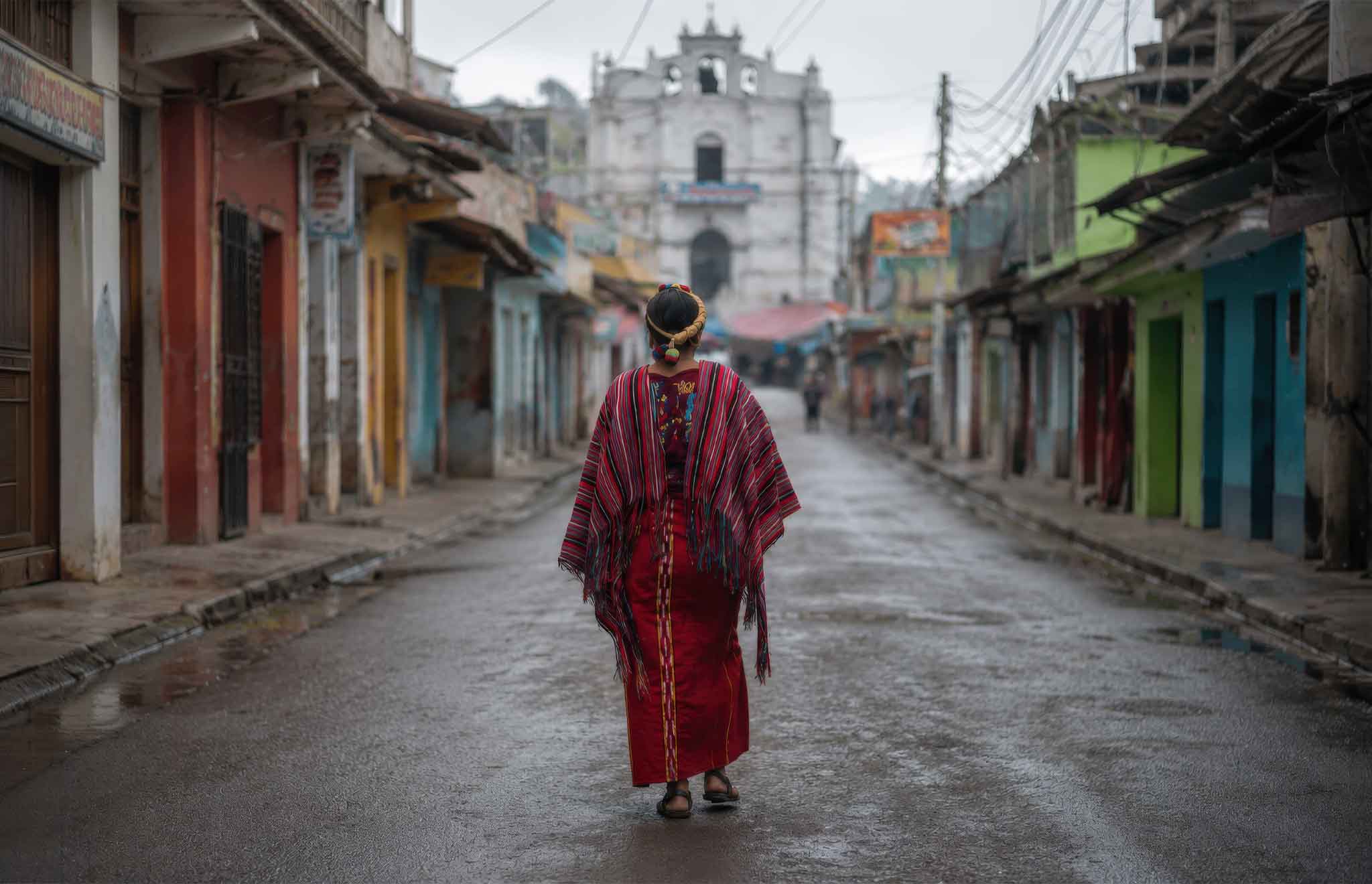
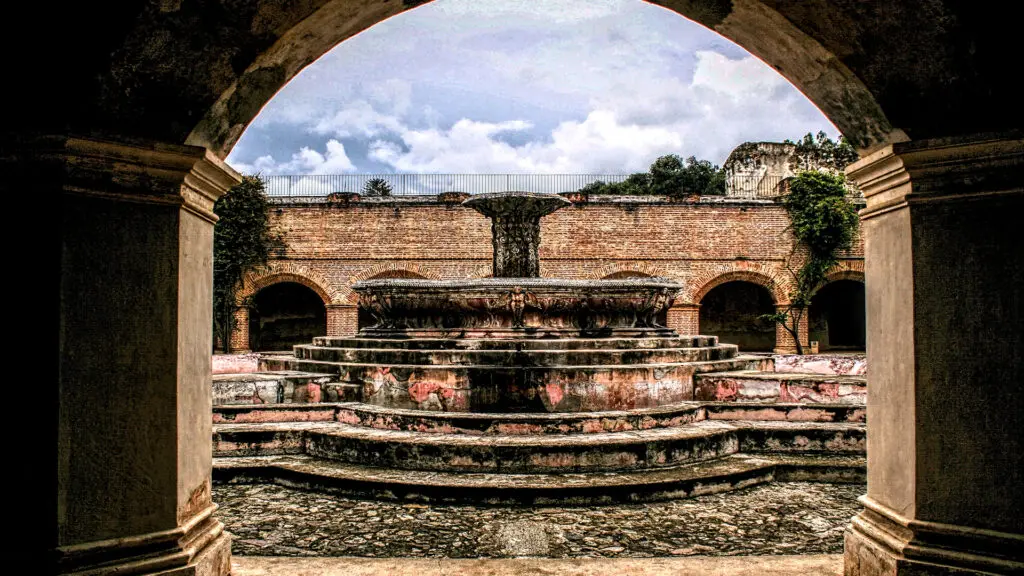
Nestled in the central highlands of Guatemala, Antigua Guatemala is known for its colourful buildings and Spanish-Baroque architecture. The city is surrounded by active volcanoes, with several colonial churches bearing the damage of the 1773 Santa Maria Earthquake.
Antigua’s 40-plus churches reflect the introduction of Roman Catholicism and the city’s colonial past. Visit the main square to see the Antigua Guatemala Cathedral. Behind its pristine facade lies the ruins of the church, which are centuries old.
Visit Chichicastenango’s Colorful Markets
Another must-see on your journey to Guatemala is Chichicastenango, a highland town mostly populated by the indigenous K’iche’ Maya people, many of whom speak K’iche and Spanish. Every Thursday and Sunday, the colorful markets appear with locals selling textiles, masks, and handicrafts.
Smell the incense as you stroll through the market where Mayan and Catholic traditions blend. Pick up some souvenirs and sample local foods, while learning about the medicinal plants used by the K’iche’ Maya people, amongst their other customs.Near the marketplace is the 400-year-old church of Santo Tomás, built in 1545 atop a Pre-Columbian Mayan temple platform. The 18 steps leading to the church represent one month of the Maya calendar year and it is still a site of ritual for K’iche’ Maya priests.

Hike Around Lake Atitlán
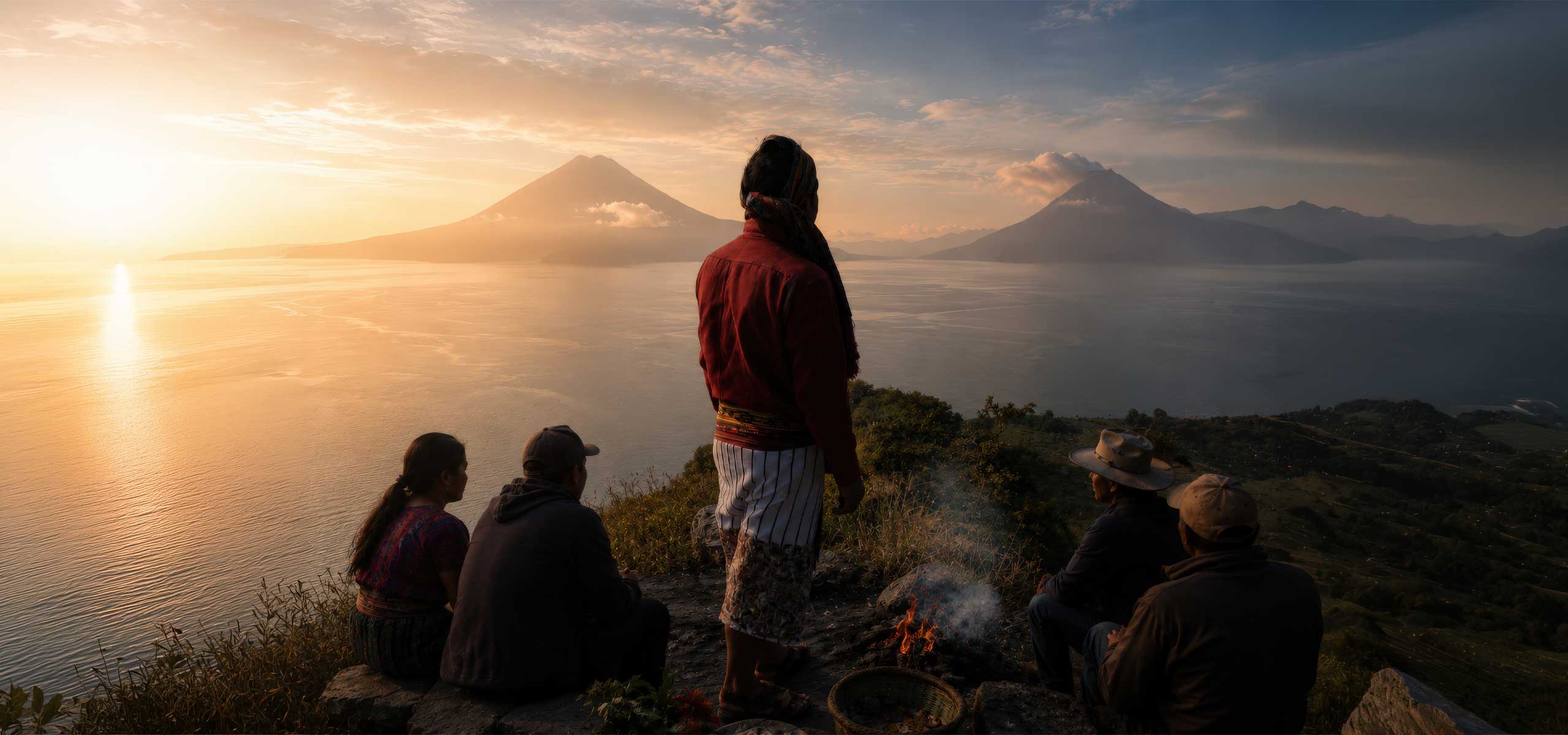
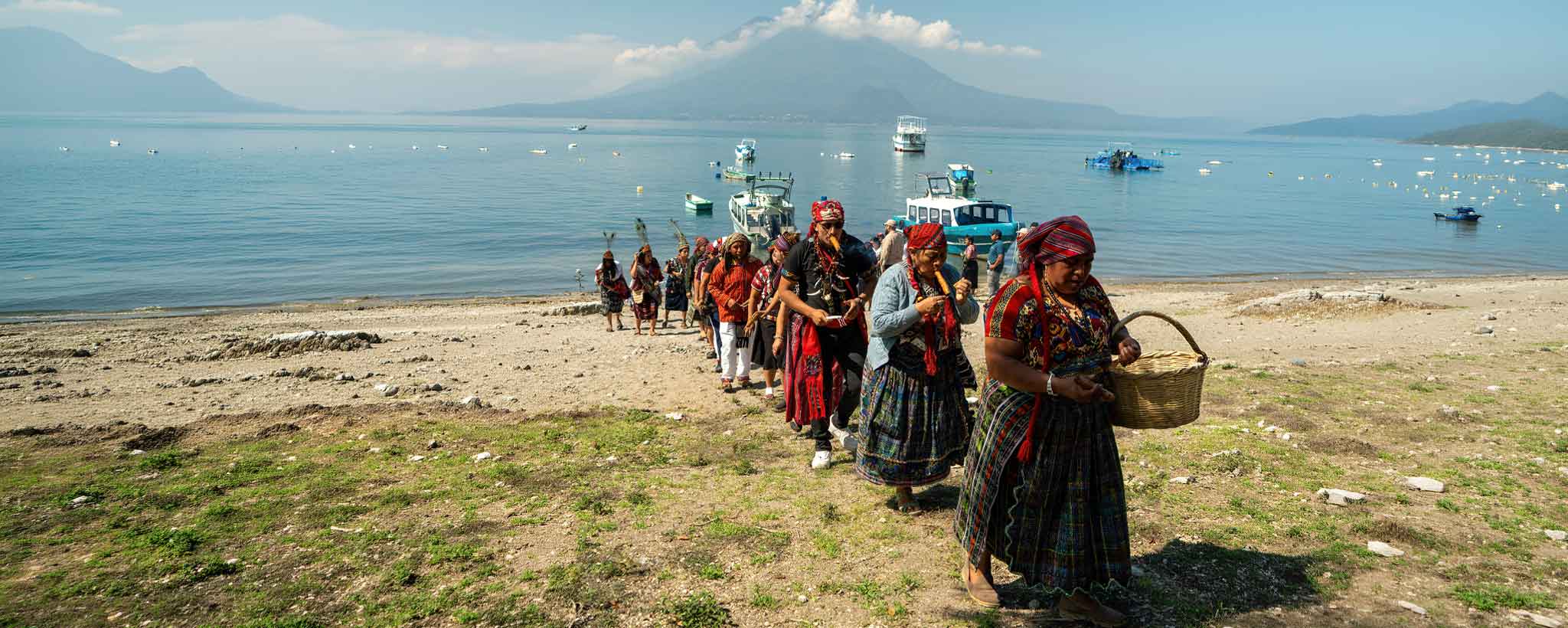
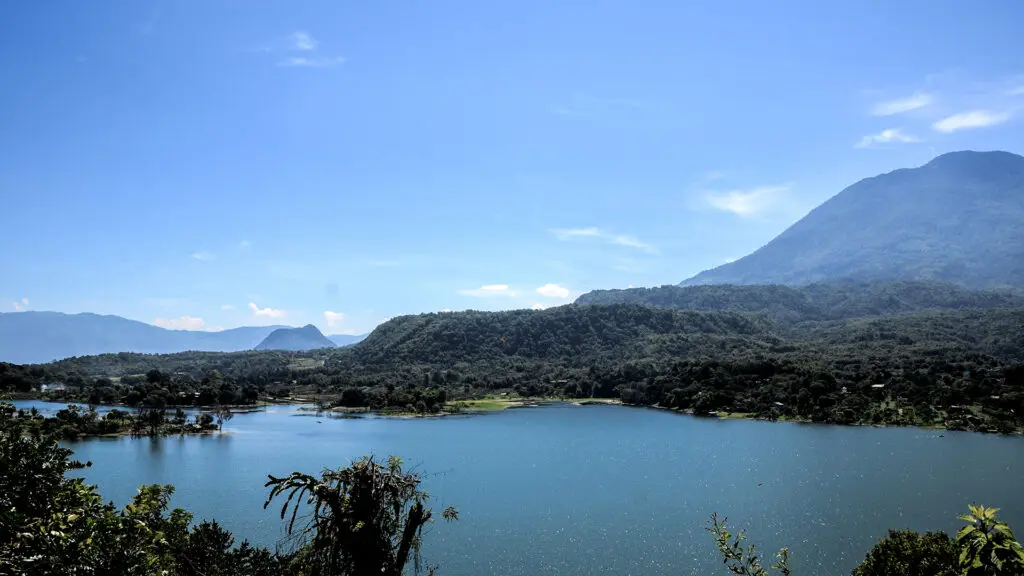
Lake Atitlán is a beautiful body of water located in a large volcanic crater just two hours south of Chichicastenango. Here, visitors can immerse themselves in the customs of the local Tzutujil Mayan people, including their vibrant weekly markets in Solola.
If you want to explore the lake further, there are several hiking routes to take amongst the surrounding volcanoes with spectacular views. Or, if you’d prefer a more sedate adventure, take a local boat around the lake.
A Trip to Guatemala for 10-11 Days
While it’s possible to visit historical highlights on an eight-day tour of Guatemala’s Mayan treasures, having a little longer in Guatemala means there’s more time for leisurely activities in between even more sightseeing.
If you’re looking to travel in style, check out Martsam Travel’s Luxury Tour of Guatemala. This trip includes several of the sites above, as well as helicopter rides over Lake Atitlán and the hidden Maya site of El Mirador. Across this 11-day journey, you’ll stay in luxurious locations with spectacular views of the landscape.
Take in the Ancient Ruins of Tikal
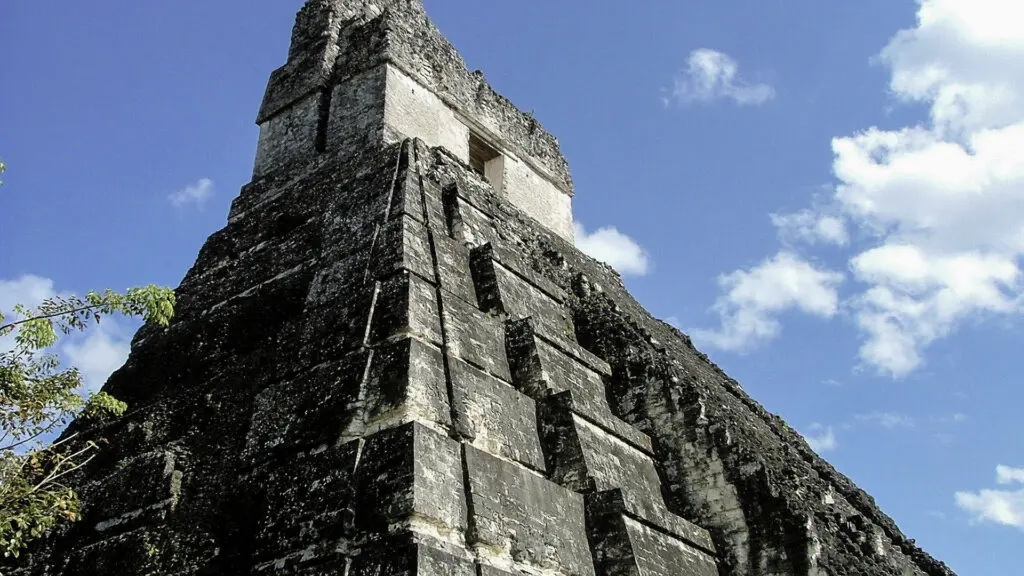
Tikal is the most famous Mayan site in Guatemala and when you visit you’ll see why. These pre-Columbian ruins are located in the tropical rainforests of northern Guatemala and are part of Guatemala’s Tikal National Park, declared a UNESCO World Heritage Site in 1979.
There are more than 3,000 structures on this expansive site. The central plaza includes several pyramid temples demonstrating the Mayan beliefs, including the Temple of the Great Jaguar, the Temple of the Masks, and the Two-Headed Serpent Temple.
Investigate Iximche’s Archaeological Sites
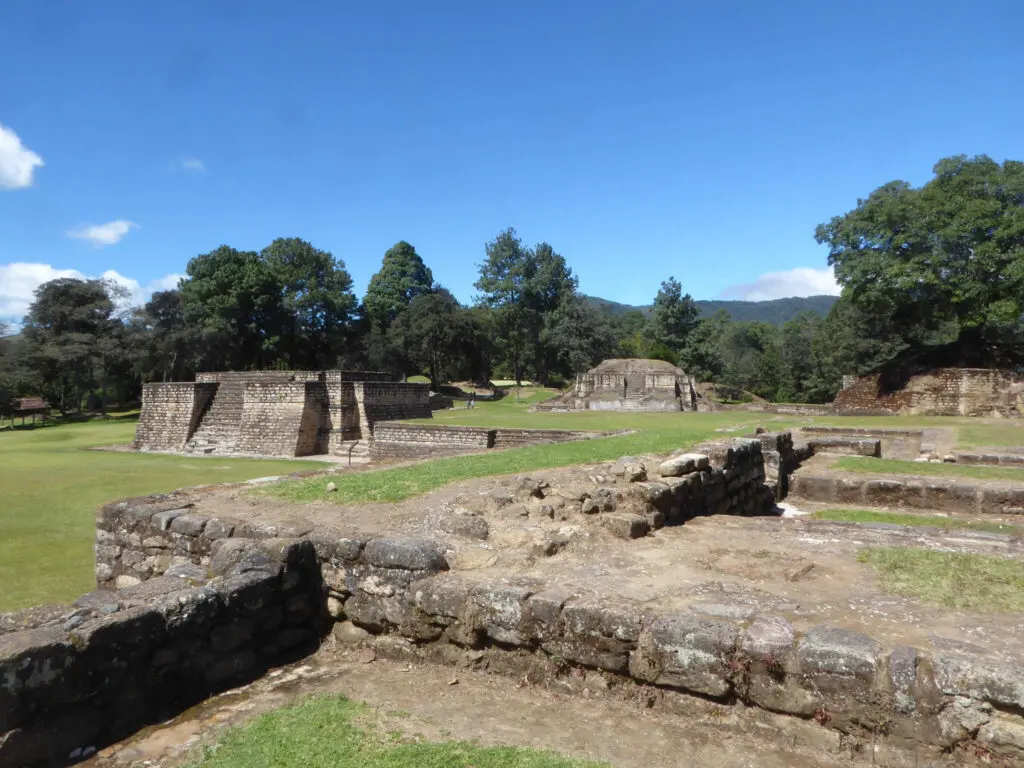
Iximche is a pre-Columbian archaeological site located in the western highlands of Guatemala, just 55 kilometers from Antigua. This Mesoamerican site is one of the lesser visited, but very much worth the journey.
During the late post-classical period, Iximche was the capital of the Kachiquel Maya Kingdom. This exciting archaeological site holds the remains of several pyramid temples, palaces, plazas and two ballcourts. The ceremonial plaza of this sacred place is still used by the Kachiquel people to celebrate rituals.
A Trip to Guatemala for 13-14 Days
If you have an extra few days to spare on your Guatemalan adventure, there are even more Mayan sites to explore alongside the country’s natural splendor. In our final recommendations, we suggest two possible excursions to add to the earlier itineraries.
If you want to explore even more of South America’s Mayan culture, our 13-day Guatemala & Belize Tour is a great way to see the highlights of these bordering countries, while having time to unwind in between sightseeing.
Navigate Yaxhá-Nakum-Naranjo National Park
The Cultural Triangle Yaxha-Nakum-Naranjo National Park is a multidisciplinary project situated in Petén, north Guatemala. The massive archaeological site is 1,200 square kilometers, with archaeologists, architects, restaurateurs, and biologists working together to restore and maintain it.
The triangle contains Mayan sites including Yaxhá, Nakum, Naranjo and Holmul, strategically located ancient cities positioned to access natural resources and raw materials. Topoxte is a particular highlight. Located on an island in Yaxha Lake, this fortified city is thought to have been an important trade route between the Maya highlands and the Yucatán.
Enjoy Biotopo Monterrico-Hawaii Nature Reserve
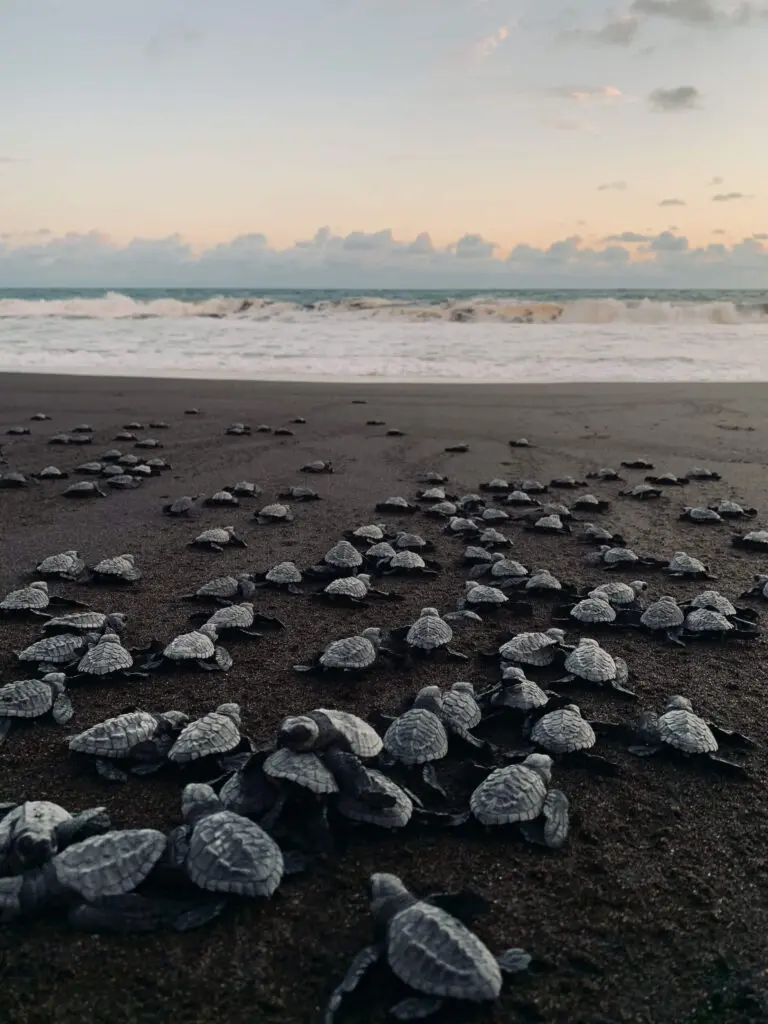
Situated in the south of Guatemala on the Pacific Coast, Monterrico is known for its black volcanic sand beaches and the annual influx of sea turtles. If you want to learn more about Guatemala’s unique ecosystem, visiting the Biotopo Monterrico-Hawaii nature reserve is a must.
This protected area is home to several endangered species, such as armadillos, caiman, iguanas, and sea turtles. The territory also preserves the flora and fauna of the area, particularly the mangrove ecosystems of the Guatemalan Pacific.
However long you’re planning to spend in Guatemala, we hope our recommendations have given you a good idea of how to travel and what you’d like to see. To read more about topography and festivals, check out our facts about Guatemala to learn more about this country.
If you’d like more information about our customizable tours to Guatemala, we’d love to hear from you! Get in touch with our family-run team to find out how we use our specialized local knowledge to give travellers the best experiences in the heart of the Mayan world.