Is It Safe to Travel to Guatemala? 2024

Is It Safe to Travel to Guatemala?

Safety concerns are common for those contemplating independent travel to Guatemala. This guide provides comprehensive information on safe travel practices in Guatemala, highlights secure destinations, and offers essential tips to ensure a trouble-free journey. It’s important to note that while Guatemala does have some safety challenges, the government and local authorities are actively working to improve the situation. By staying informed and following the recommended safety precautions, you can have a safe and enjoyable trip to Guatemala.

Guatemala’s Top Destinations and Safety Tips
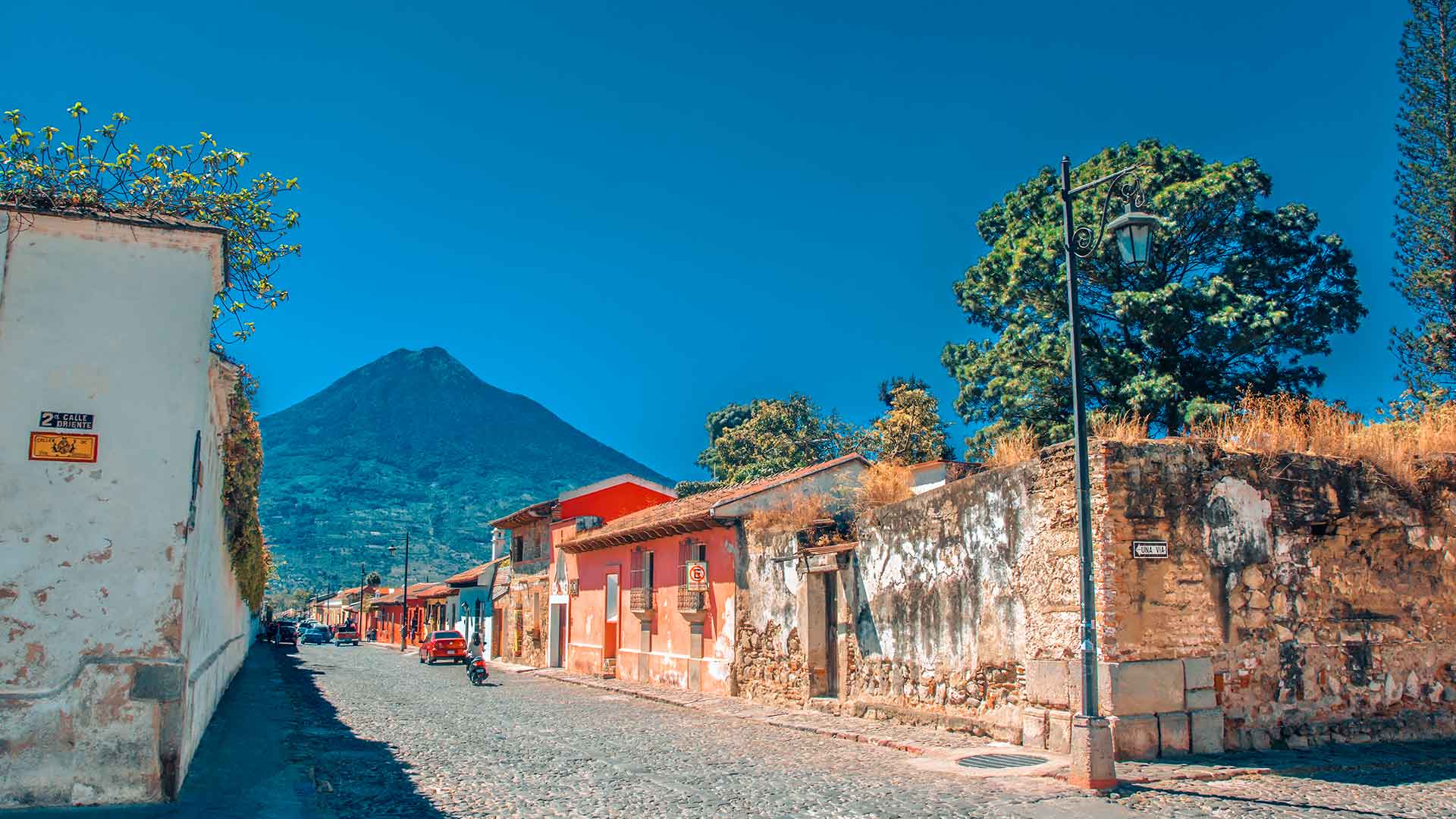
Antigua Guatemala

Antigua’s Hidden Gems

Famed for its stunning scenery and rich cultural legacy, Guatemala features must-visit spots such as Antigua, Lake Atitlán, Tikal, Semuc Champey, and Chichicastenango. Despite its appeal, Guatemala’s reputation for safety can deter travelers. Here, we provide crucial safety insights to reassure and guide your travels. It’s also important to respect the local culture and customs. Learn a few basic phrases in Spanish, the official language, and be mindful of local customs, such as dressing modestly when visiting religious sites.

Official Travel Advisories

Foreign ministries frequently caution about Guatemala’s security situation, mentioning incidents of assaults, robberies, and other crimes. Travelers are advised to exercise vigilance and avoid certain areas.

High-Risk Areas

  • Guatemala City: The city has the highest crime rates in the country. Avoid zones 3, 5, 6, 7, 8, 11, 12, and 18, as well as Mixco and Villanueva. In other zones, particularly 1, 9, and 10, exercise caution and avoid red and intercity buses. Utilize taxis arranged by hotels or trusted taxi services.

Medium-Risk Areas

  • Izabal (Río Dulce and Livingston): Exercise caution.
  • Petén (Tikal and Flores): Generally safe, but remain vigilant.
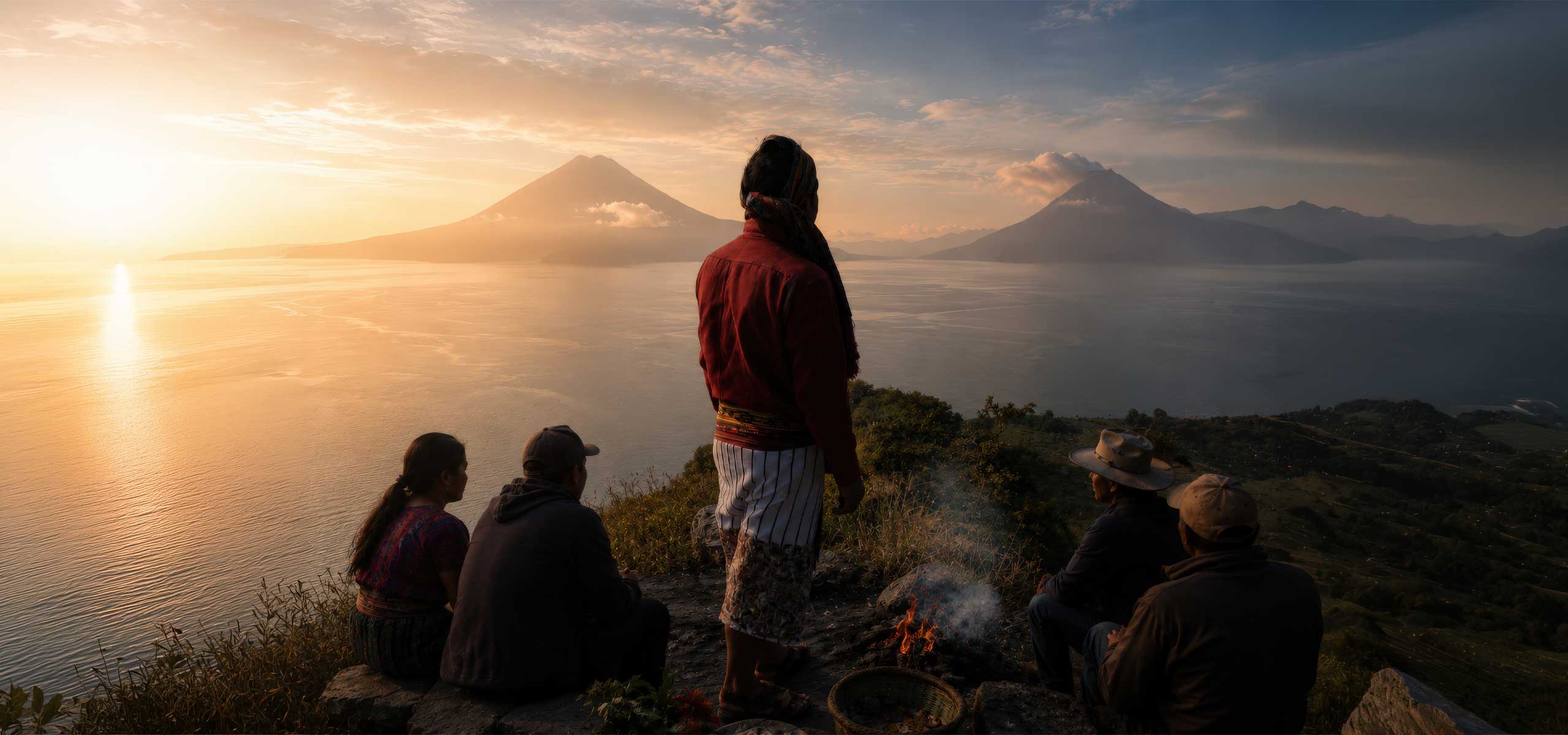
  • Sololá (Lake Atitlán): Safe, with recommended boat travel. Avoid road travel around the lake.
  • Sacatepéquez (Antigua Guatemala): Safe, but exercise caution at dusk and in nightclubs.
  • Alta Verapaz (Semuc Champey): Safe with precautions.
  • Quetzaltenango: Generally safe; be cautious at night.
  • Border Areas: Maintain caution.
  • Volcano Hiking: Always travel with a certified tour operator or authorized guide.

Health Concerns

The quality of public healthcare could be better. Private hospitals in the capital are comparable to those in Europe or the U.S. but expensive. Travel insurance that covers medical care and potential repatriation is essential. Avoid tap water, be cautious with raw foods, and implement precautions against mosquito bites to prevent dengue, Zika, and chikungunya. It’s also advisable to get vaccinated for common diseases like hepatitis A and typhoid before your trip.

Is it Safe to Travel to Guatemala?

El Pilar, Antigua Guatemala Hiking Trail: A Journey through Nature and History

The El Pilar hiking trail offers a unique opportunity to explore a stunning landscape, rich natural history, and the vibrant world of Guatemalan birds. Once a thriving coffee farm, this property is now dedicated to conservation and is a significant water source for the colonial town of Antigua and surrounding villages.

Inside the reserve, you’ll find a variety of trails catering to different interests. One trail leads to the summit of El Cucurucho, offering phenomenal views that stretch across the region. Another trail guides you to the hummingbird feeding area, where you can spot at least seven species of these enchanting birds unique to the Americas.
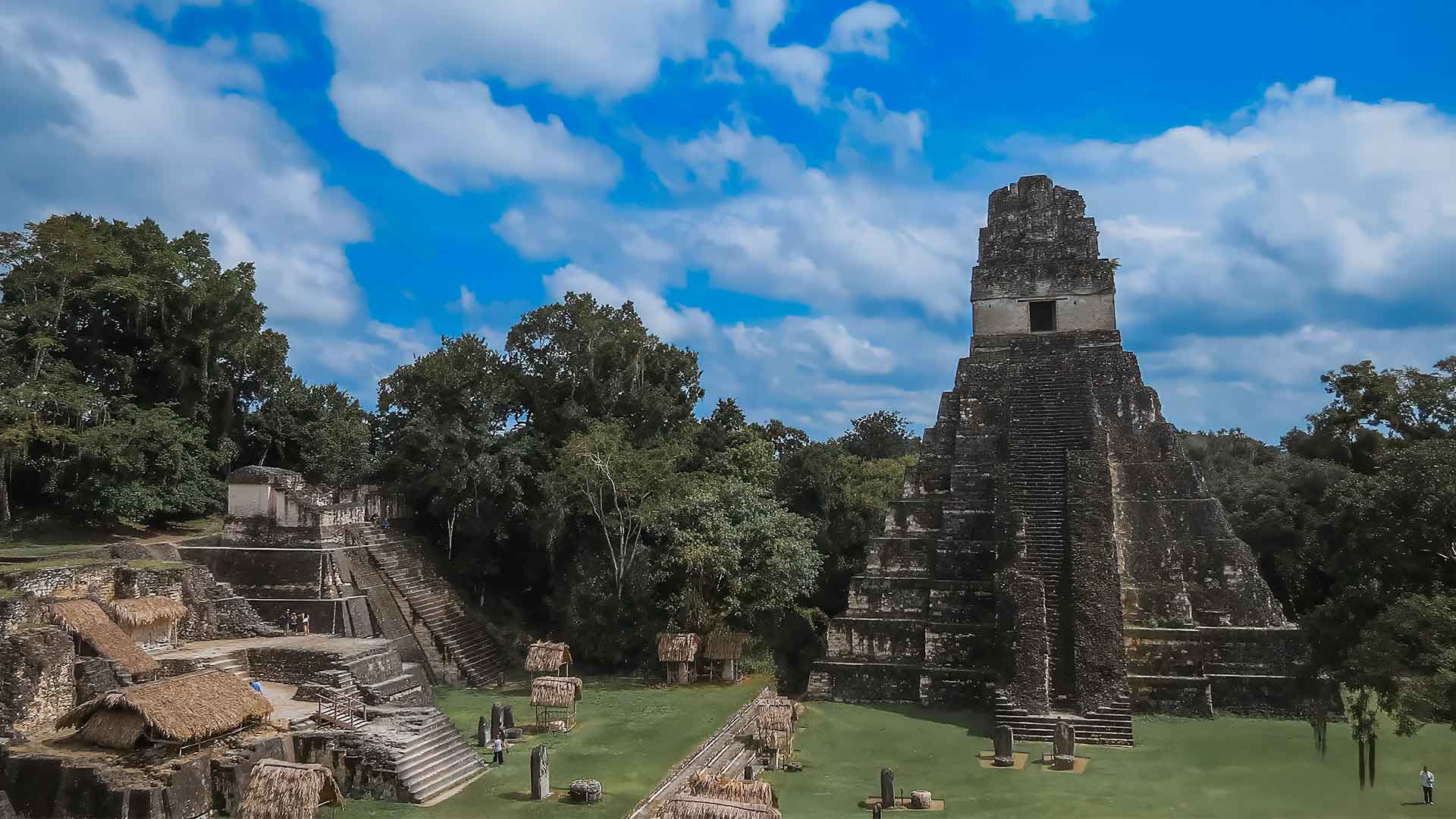
Tikal Main Plaza

Volcano Adventures

While it’s true that isolated incidents of violence can occur, they are rare in tourist areas. Gang and drug-related activities seldom affect visitors. By exercising common sense and sticking to tourist regions, you can confidently ensure a safe travel experience in Guatemala.

  • Antigua: It is safe with a visible police presence. Be cautious with valuables and avoid hiking to Cerro de la Cruz early or late in the day.
  • Flores and Tikal: Both destinations are safe.
  • Lake Atitlán: Safe for boat travel; use a guide for hiking.
  • Other Safe Destinations: Chichicastenango, Quetzaltenango, Río Dulce, Semuc Champey, and Livingston. Standard travel precautions are advised.

Safety Tips for Independent Travelers

  • Use shared vans or shuttles for transportation.
  • In cities, use taxis arranged by hotels, avoiding street cabs.
  • Exercise caution in Guatemala City.
  • Avoid red buses, carry minimal valuables, and avoid isolated areas at night.
  • Stay in central areas for safety.
  • Use reputable Guatemalan tour companies for excursions.
  • Always use a guide for hiking.

Health and Safety Precautions

  • Bring comprehensive travel insurance.
  • Avoid tap water and be cautious with food.
  • Use mosquito repellent and wear long clothing at dawn and dusk.

Post-COVID Travel

Lake atitlan

Pacaya Volcano Hike

As of August 2022, COVID-19 Entry Requirements have been lifted, so no tests or vaccination certificates are needed. The health situation is stable, and masks are not mandatory. However, it’s still a good idea to carry a mask with you, especially in crowded areas or if you’re not feeling well. Keep an eye on the local news and follow any updates or guidelines from the local health authorities.

Traveling Alone as a Woman

Guatemala is generally safe for solo female travelers who take the proper precautions. Locals are friendly, but foreign women traveling alone may attract attention. Avoid walking alone after dark, and dress modestly to blend in. Hostels are excellent places to meet other travelers and can provide a sense of security. If you’re feeling uncomfortable or unsafe, don’t hesitate to ask for help from the hostel staff or other travelers.

General Travel Safety Tips

  • Follow local safety advice.
  • Avoid carrying valuables on public buses.
  • Use ATMs in secure locations.
  • Keep an eye on your credit cards during transactions.
  • Be cautious at Pacific beaches due to strong waves.
  • Road conditions can be poor; prefer private or shared transport.
  • Ensure your passport is valid for at least six months and get an entry stamp.

Travel Insurance

Given the healthcare system and the potential risks, having comprehensive travel insurance is not just a suggestion, it’sa necessity. Ensure your policy covers medical expenses, adventure sports, and repatriation, providing you with a safety net and peace of mind during your journey.

With the proper precautions, traveling to Guatemala can be rewarding and safe. Enjoy your trip with peace of mind!

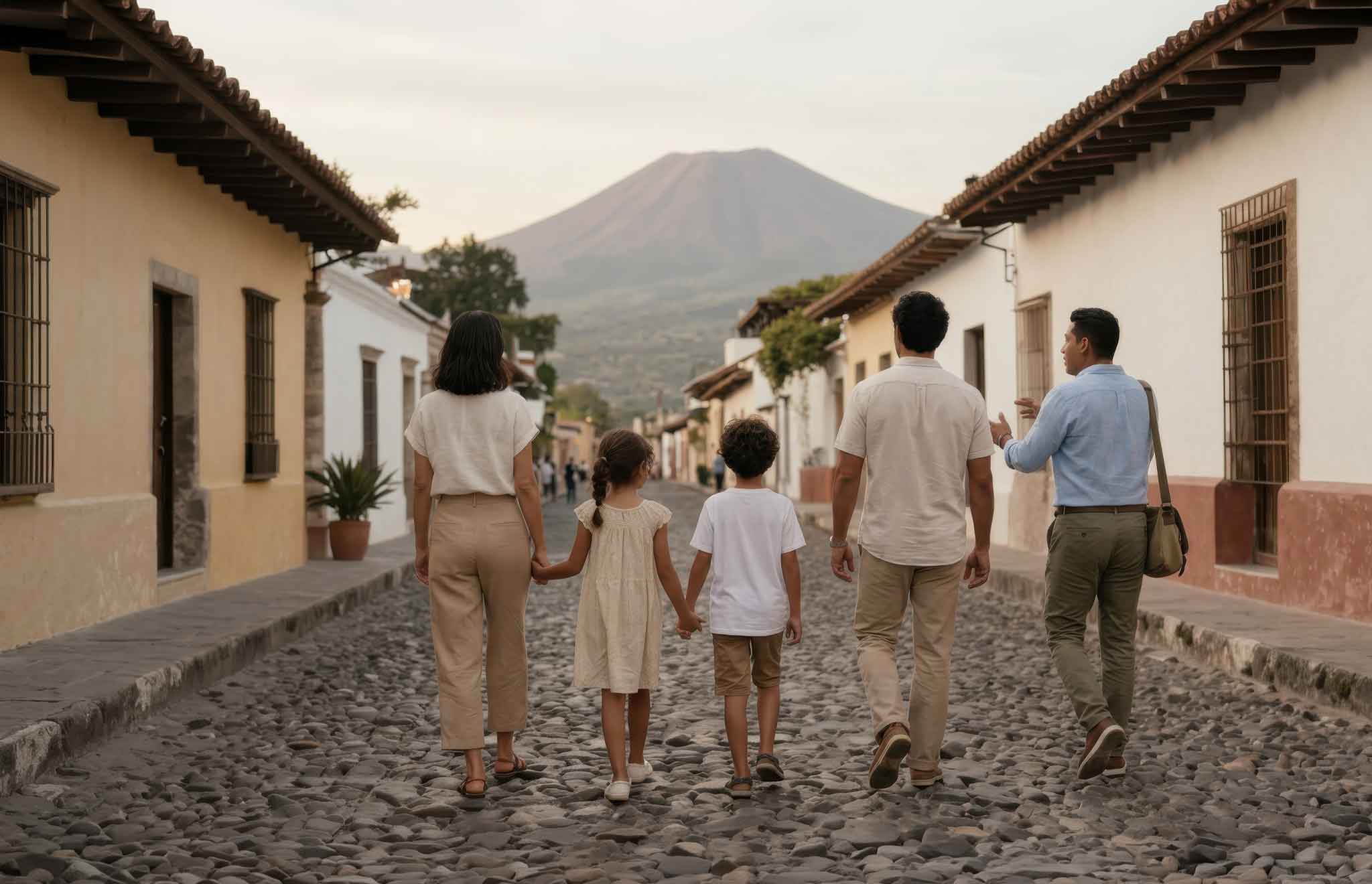
Where to Stay in Belize: Choose the Region First

Before comparing hotels, decide which part of Belize should receive your time. The location of each stay determines which experiences fit comfortably into the day.

Cayo District for Rainforest, Caves and Maya Sites

Stay in or around San Ignacio when Xunantunich, Caracol, cave experiences and the western rainforest are priorities.

A town hotel provides convenient access to restaurants and local life. A jungle lodge offers more privacy, nature and time within the forest. The right choice depends on whether you want to explore every day or enjoy the property between guided activities.

Cayo also provides the most practical base for a day at Tikal, although the international border adds time and formalities.

Ambergris Caye for Reef Access

Ambergris Caye suits travelers who want several days on the water and convenient access to the Belize Barrier Reef.

San Pedro has a wider choice of restaurants, services and boat operators than Belize’s quieter coastal areas. It works particularly well when snorkeling or diving is central to the trip.

The island is more active than secluded. Travelers looking for greater privacy should consider where on Ambergris Caye they stay, not only the hotel category.

Hopkins or Placencia for the Southern Coast

Hopkins and Placencia offer a different Caribbean finish.

Hopkins provides access to Garifuna cultural experiences, nearby nature reserves and the southern reef. Placencia combines a longer beach setting with restaurants, resorts and excursions toward Monkey River and offshore cayes.

Neither should be added simply as another stop. Choose between them according to the atmosphere, activities and accommodation style you prefer.

Can You Combine the Jungle and Beach?

Yes. A journey can begin in the Cayo District and finish on an island or the southern coast.

Seven days can work when the route remains simple. Nine or ten days provide more time for both regions and reduce the pressure created by transfers.

The best combination is not automatically Cayo and Ambergris Caye. Hopkins or Placencia may suit travelers who prefer the southern coast, while Ambergris Caye provides easier access to several well-known reef areas.

Belize Reef

Three Sample Belize Itinerary Routes

These routes show what each trip length can hold without turning every day into a transfer. They are starting points, not fixed departures.

5 Days: Choose the Interior or the Coast

Interior route

  • Day 1: Arrive and transfer to the Cayo District

  • Day 2: Xunantunich and a local cultural or culinary experience

  • Day 3: Choose Caracol, ATM Cave or another full-day activity

  • Day 4: Nature, a shorter cave experience or time at the lodge

  • Day 5: Return to the airport

Coastal route

  • Day 1: Continue to Ambergris Caye, Hopkins or Placencia

  • Day 2: Private reef or snorkeling excursion

  • Day 3: A second water activity, nature excursion or open day

  • Day 4: Flexible coastal day

  • Day 5: Return to the airport

Five days do not leave much room for recovery if weather disrupts a reef day. Keeping one day flexible can make the trip more enjoyable.

7 Days: Cayo and One Coastal Base

  • Day 1: Arrive and transfer to the Cayo District

  • Day 2: Xunantunich and the surrounding area

  • Day 3: Choose Caracol, ATM Cave or another full-day experience

  • Day 4: Transfer to Ambergris Caye, Hopkins or Placencia

  • Day 5: Reef excursion

  • Day 6: Nature, culture, another water activity or time to rest

  • Day 7: Departure

This route works best when you select one major inland activity and one coastal destination. Adding every well-known site would make the week unnecessarily rushed.

10 Days: Cayo, Maya Sites and the Caribbean

  • Day 1: Arrive and transfer to the Cayo District

  • Day 2: Xunantunich and a cultural or culinary experience

  • Day 3: Caracol or ATM Cave

  • Day 4: A second inland experience, a lodge day or a visit to Tikal

  • Day 5: Transfer to the coast or Ambergris Caye

  • Day 6: Private reef excursion

  • Day 7: Wildlife, culture or another day on the water

  • Day 8: Flexible coastal day

  • Day 9: A final excursion or time without a fixed schedule

  • Day 10: Departure

Ten days provide more choice without requiring every day to remain full. Tikal can replace one inland day, while a broader Guatemala journey requires additional nights.

Tikal National Park

When Should a Belize Itinerary Include Guatemala?

Belize and Guatemala work well together when archaeology and Maya heritage are important to the journey. The amount of Guatemala you include should depend on the time available.

Adding Tikal from Belize

Tikal can be visited while staying in western Belize. However, the day includes an international border crossing and considerable travel time.

This option suits travelers who want to see Tikal but cannot add several nights in Guatemala. It works best when the surrounding Belize itinerary remains focused.

Another option is to stay in Guatemala’s Petén region. This allows more time at Tikal and can also accommodate Yaxha before continuing into Belize.

A Wider Guatemala and Belize Itinerary

A journey including Antigua Guatemala, Lake Atitlán, Tikal, the Cayo District and the Caribbean normally needs about 13 days.

The route can move from Guatemala’s highlands to the Maya lowlands, cross into western Belize and finish beside the reef. This sequence avoids unnecessary backtracking.

With fewer days, choose either Guatemala’s highlands or a longer stay in Belize. Trying to include every region in ten days weakens the time available for both countries.

Frequently Asked Questions About Planning a Belize Itinerary

How Many Days Do You Need in Belize?

Five days suit one main region. Seven days can combine the Cayo District with one coastal base. Nine or ten days allow more time for both without filling every day.

Is Seven Days Enough for Belize?

Yes, when the route remains focused. Choose one inland base and one coastal destination. Limit the number of full-day excursions and avoid adding several regions simply because they appear close on a map.

Can You Visit the Jungle and Beach in One Belize Trip?

Yes. The Cayo District can be combined with Ambergris Caye, Hopkins or Placencia. Seven days can support this route, while nine or ten days provide a more relaxed balance.

Should You Stay on Ambergris Caye, in Hopkins or in Placencia?

Choose Ambergris Caye for convenient reef access and a more active island setting. Hopkins combines the southern coast with Garifuna culture and nearby nature. Placencia offers a longer beach setting, restaurants, resorts and access to southern marine excursions.

Can a Belize Itinerary Include Tikal?

Yes. Tikal can be visited from western Belize, although the day includes an international border crossing. Staying in Guatemala’s Petén region provides more time when Tikal and Yaxha are central to the journey.

What Is the Best Time to Visit Belize?

December through April generally brings the driest weather and the most dependable conditions for reef activities. The wetter months can bring fewer visitors and lower rates, but rain and storm disruption become more likely.

For broader seasonal and destination information, read our Belize destination guide.

Turn Your Belize Itinerary Into a Private Journey

These sample routes provide a realistic starting point. The final sequence depends on your flight times, hotel availability, preferred activities and the pace that suits the people traveling.

Tell us your dates, number of days and whether the rainforest, Maya sites, reef or Caribbean coast matters most. Martsam’s Belize team can then arrange the hotels, private transportation, guides and experiences around your plans.

Explore our Belize vacation packages or contact us to discuss a private itinerary.

Martsam Journal

Martsam Journal

Travel Insights from Guatemala, Belize & the Mundo Maya

Explore thoughtful travel insights from Martsam Travel, including Guatemala and Belize guides, cultural context, family travel advice, nature experiences, and private journey planning.