Maya Culture Guatemala is often understood through archaeology, yet many of its stories, traditions, and ways of seeing the world continue through daily life, memory, and the Popol Wuj.
Key Takeaways
- Some stories in Guatemala are found in books. Others appear unexpectedly in conversation.
- The Popol Wuj is often described as the sacred narrative of the K'iche' Maya, yet many of its themes continue to echo through contemporary life in Guatemala.
- Landscapes are not always spoken about as scenery. They often appear in stories, memories, ceremonies, and daily routines.
- Language, food, agriculture, community life, and spirituality frequently overlap rather than exist as separate subjects.
- The most revealing moments of a journey are not always the ones people plan for.
- Certain questions remain open long after the journey ends.
Before the Story Begins
Early one morning, before the boats started crossing Lake Atitlán, the water was almost perfectly still.
Nothing unusual was happening.
A fisherman adjusted a net. Smoke rose from a kitchen fire. Somewhere behind the houses, a dog barked. The volcanoes remained where they had always been.
Then someone began talking.
Not about tourism.
Not about history.
About a story.
The conversation moved naturally between the lake, the weather, the mountains, and an account that had been passed from one generation to the next. Nobody introduced it as mythology. Nobody paused to explain its importance.
The story simply belonged there.
Moments like this occur throughout Guatemala. A conversation about planting maize becomes a conversation about memory. A discussion about a hill overlooking a village leads to a story that begins long before anyone living today was born.
The boundaries between landscape, history, and daily life often feel less fixed than visitors expect.
The Popol Wuj Is Often Encountered Indirectly
Many travelers first hear about the Popol Wuj while researching Guatemala.
They discover that it is one of the most important surviving texts of the Maya world, preserving narratives of creation, ancestry, community, and the origins of the K'iche' people.
Yet for many visitors, the most memorable encounters with these ideas happen far from a library.
A guide mentions a story while walking a trail.
An elder recalls a passage while discussing local traditions.
A ceremonial leader references an idea without naming its source.
The text itself remains important, but its presence is often felt through conversation rather than citation.
Like many living traditions, it continues moving through people.
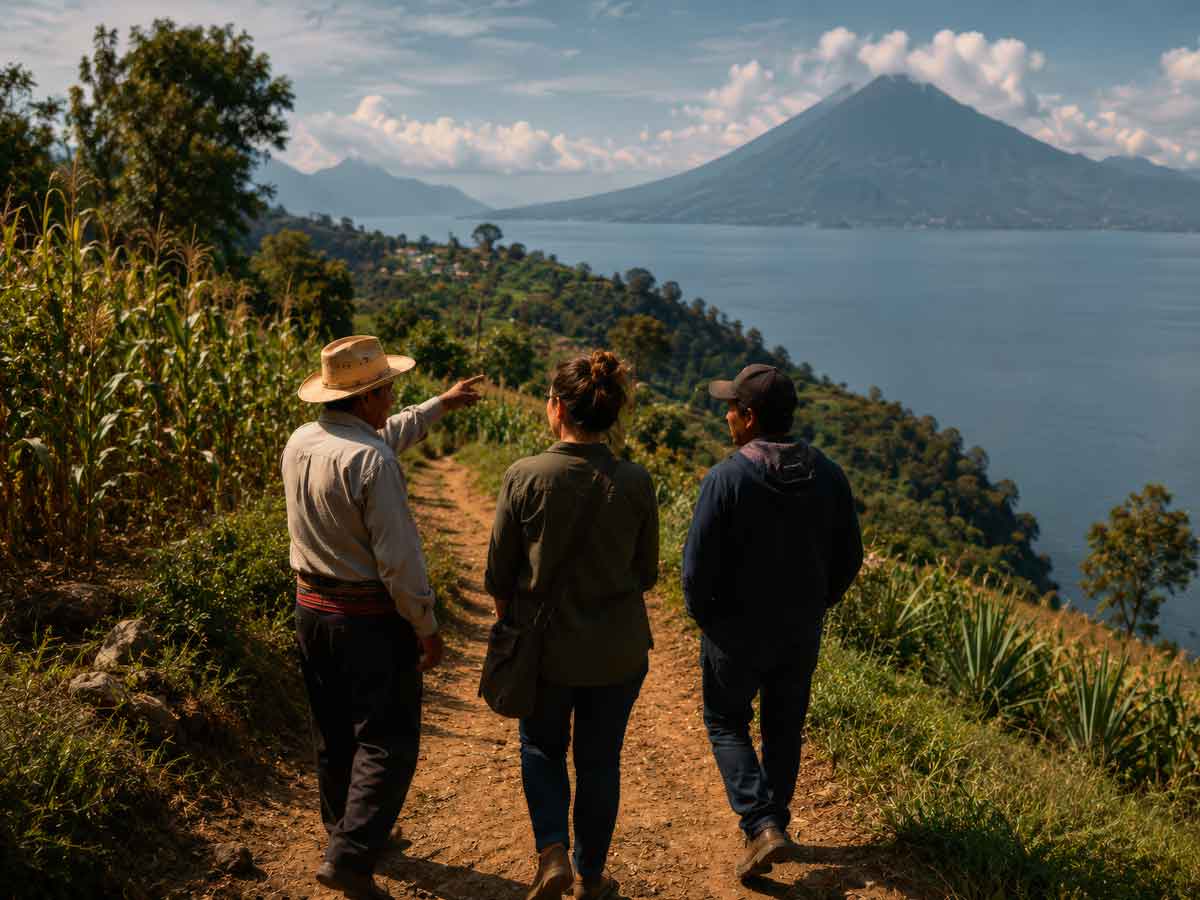
When Landscape Becomes Part of the Conversation
Visitors often describe Guatemala through its landscapes.
- Lake Atitlán.
- The volcanic chain.
- The forests of Alta Verapaz.
- The limestone formations of Lanquín.
- The lowland forests of Petén.
- The descriptions are usually visual.
- Local conversations are often different.
- A mountain may appear in a family memory.
- A spring may be connected to a story that everyone in the community already knows.
- A path through the forest may be described through what happened there rather than where it leads.
Listening carefully, you begin to notice that places are not always discussed as locations.
Sometimes they are discussed as relationships.
Not in a symbolic sense.
In a practical one.
The land is where people plant, gather, celebrate, remember, and teach.
It is difficult to separate the story from the place where it happened.
Maya Culture in Guatemala Today
One of the challenges travelers face is the temptation to place Maya culture entirely in the past.
The archaeological sites are extraordinary.
The history is significant.
Yet contemporary Maya life is not primarily encountered in ruins.
It appears in languages spoken at home.
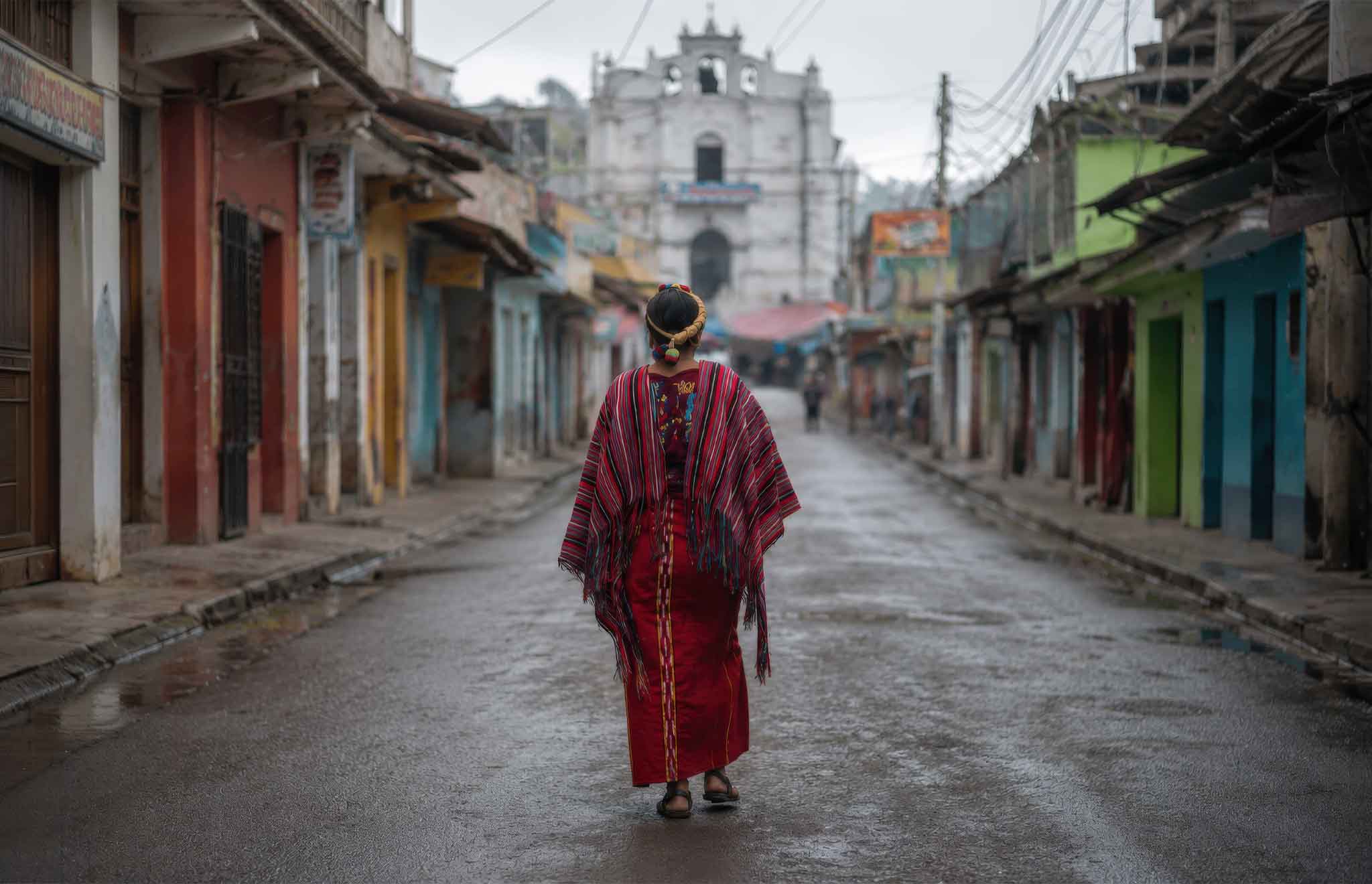
In traditional clothing worn for everyday activities.
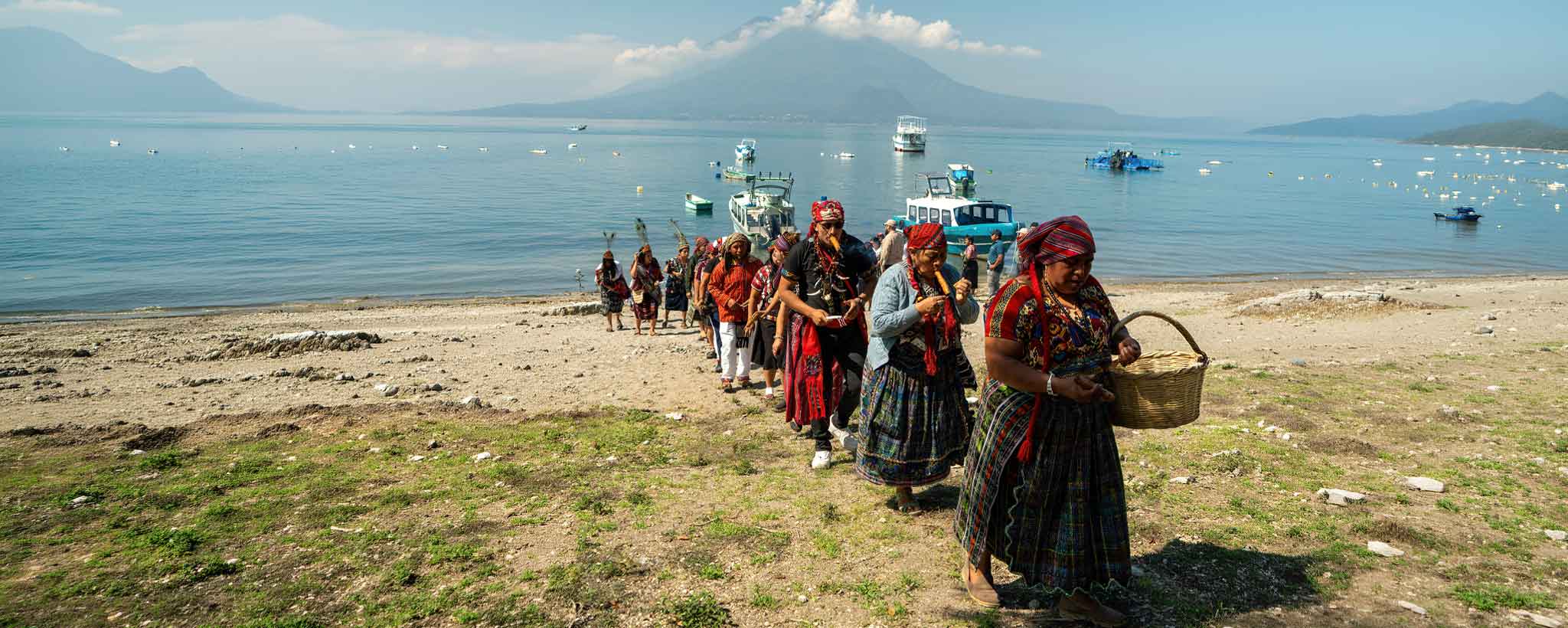
In ceremonies marking important moments of life.
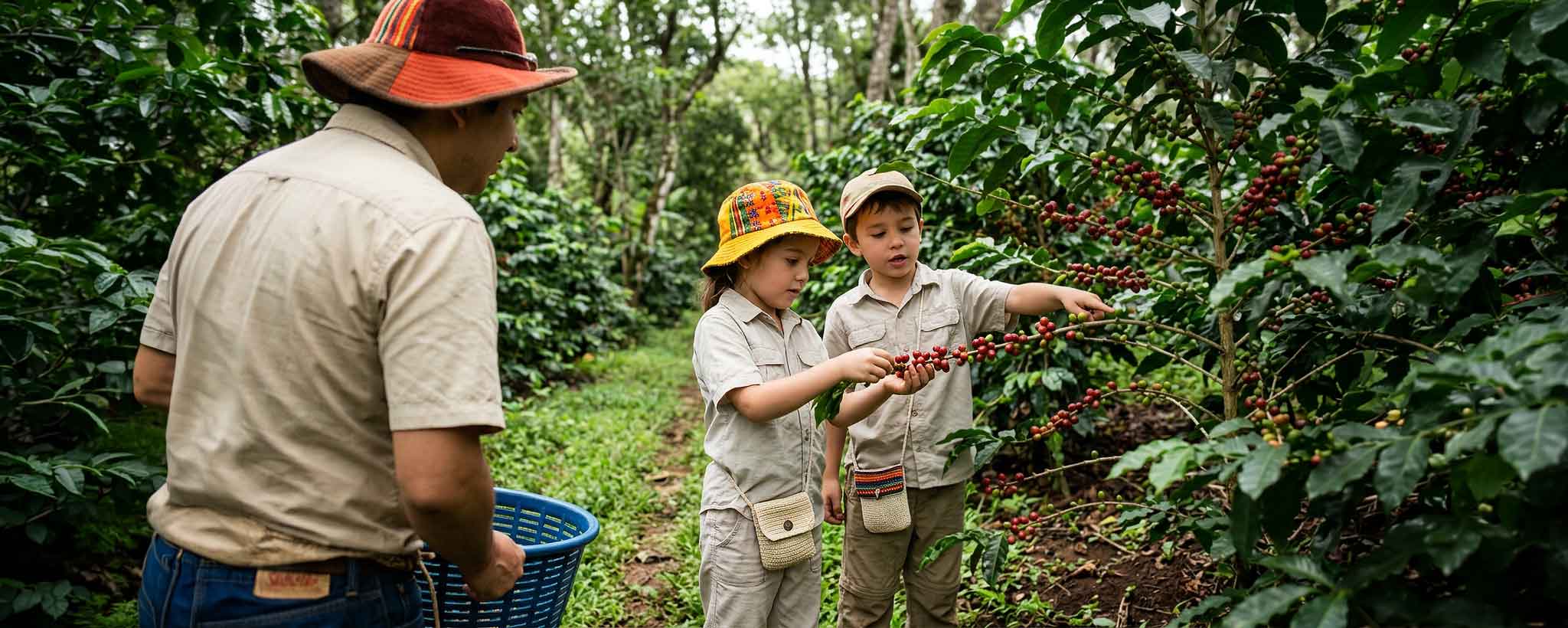
In agricultural practices that continue across generations.
In music, food, craftsmanship, and community gatherings.
The Popol Wuj helps provide context for understanding this continuity, but the continuity itself is visible throughout Guatemala today.
Not as a reconstruction.
As daily life.