What Traditional Guatemalan Food Reveals About Guatemala
A dish in Guatemala is rarely only a dish.
Many visitors arrive asking a simple question: what should I eat in Guatemala? It is a useful question. But the better journey begins when that question expands: what does this food reveal about Guatemala?
Traditional Guatemalan food is connected to cornfields, family kitchens, open-air markets, regional landscapes, Indigenous knowledge, Spanish colonial history, Caribbean influence, coffee farms, cacao traditions, and the daily work of cooks, farmers, vendors, and families.
This guide is not meant to turn Guatemalan cuisine into a checklist. It is an invitation to understand food as part of a living culture. The dishes matter, but so do the people, places, ingredients, and traditions behind them.
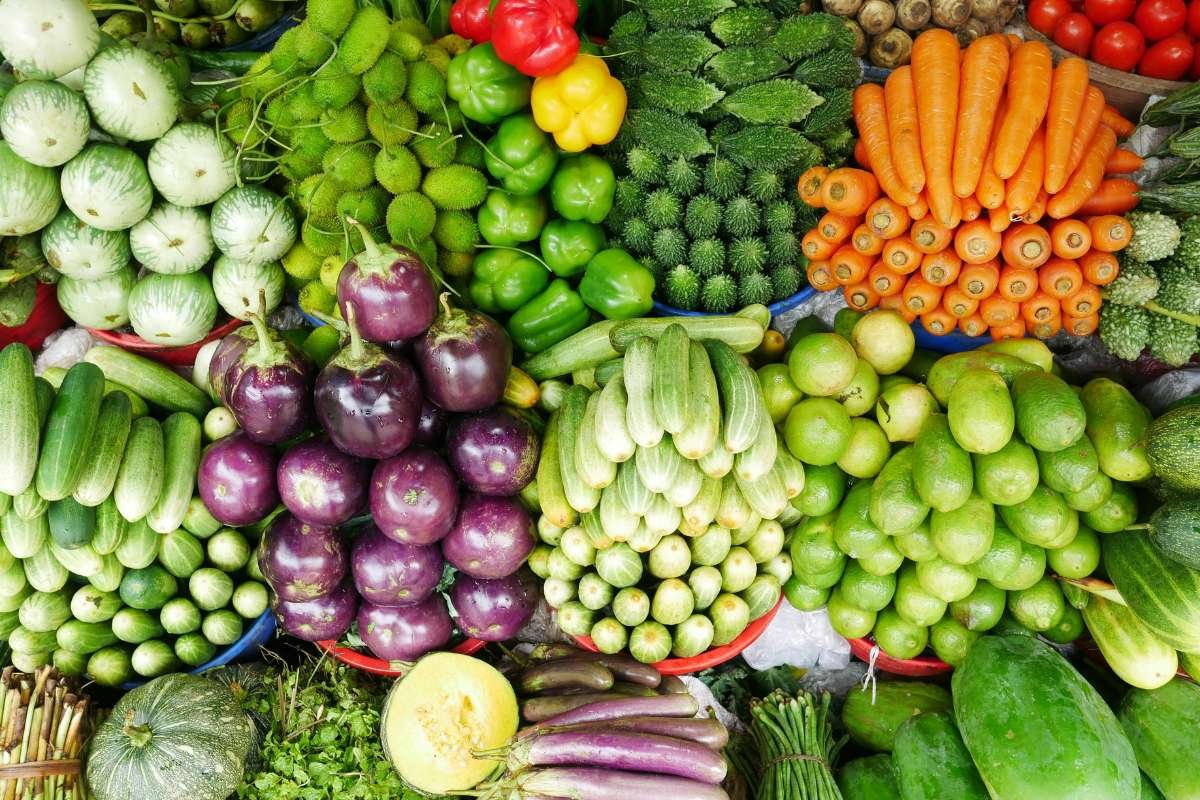
Traditional Guatemalan Food Begins with Land and Labor
Across Guatemala, ingredients often carry the memory of place. Corn, beans, chilies, tomatoes, tomatillos or miltomate, herbs, seeds, squash, potatoes, plantains, tropical fruits, coffee, and cacao all help shape the country’s food identity.
These ingredients are not only pantry items. They are agricultural knowledge, regional adaptation, household practice, and community continuity. A meal may begin in a field, continue through a market, take shape in a kitchen, and finally become part of a family table or public celebration.
For travelers, this matters because food becomes a way to understand Guatemala more patiently. A market visit, cooking class, coffee experience, or cacao workshop can reveal how geography, climate, history, and family knowledge influence what people eat and how food is shared.

Corn, Masa, and the Foundation of Daily Food
Corn is one of the deepest foundations of Guatemalan food. It appears in tortillas, tamales, chuchitos, paches, atoles, and many everyday meals. It is also part of a much wider cultural and historical relationship with Maya knowledge and agriculture.
Food is not a performance of the past. It is living knowledge, adapted and practiced by families, cooks, farmers, vendors, and communities today.
Guatemala is home to many Maya peoples, languages, and regional traditions. No single dish, ingredient, or preparation can represent the whole story. That diversity is part of why Guatemalan cuisine deserves to be approached with respect, curiosity, and context.
When travelers understand the role of corn, they begin to see that a tortilla is not simply a side dish. It can be the center of a meal, the result of practiced technique, and a daily expression of continuity.
Recados: The Heart of Many Guatemalan Dishes
A recado is not just a sauce poured over food at the end. It is often the heart of the preparation.
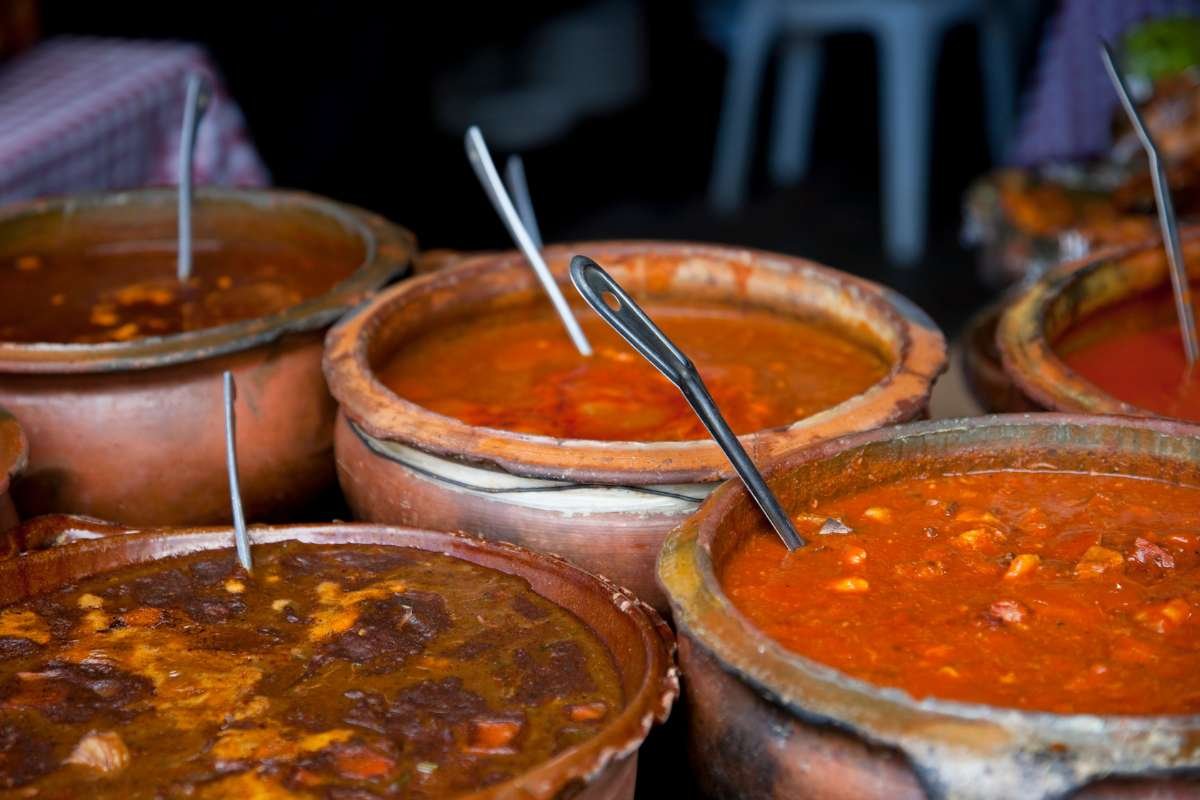
In Guatemalan cooking, recados are deeply flavored sauces or bases made from combinations of ingredients such as tomatoes, tomatillos, chilies, seeds, spices, herbs, and sometimes toasted or ground elements that create depth and body. They help define many traditional dishes, including Pepián, Jocón, Hilachas, and other regional preparations.
Explaining recados helps travelers move beyond ingredient lists. It shows that Guatemalan cuisine often depends on layering, patience, texture, and balance. The flavor is not only in the final dish; it is in the method.
For Martsam travelers, this is where guided interpretation can make a food experience more meaningful. A guide, cook, or local host can help explain why a preparation matters, where ingredients come from, and how a dish connects with family or regional practice.
Traditional Guatemalan Dishes Travelers Should Know
Guatemala has many traditional dishes, and every family, cook, and region may prepare them differently. The following dishes offer a useful starting point for travelers, but they should not be treated as a complete definition of Guatemalan cuisine.
Pepián
Pepián is one of Guatemala’s best-known traditional dishes and is often described as a recado-based stew. It may be prepared with chicken, beef, or pork, depending on the cook and occasion, and is known for its rich sauce made from toasted, ground, and simmered ingredients.
The value of Pepián is not only its flavor. It helps travelers understand the importance of recados, the use of seeds and spices, and the way a dish can hold both household memory and national identity.
Kak'ik
Kak'ik is commonly associated with Q'eqchi' Maya food traditions, especially in parts of Alta Verapaz. It is a turkey soup known for its red color, aromatic character, and cultural importance.
When writing or speaking about Kak'ik, it is important to use careful language. It should not be presented as a simple tourist dish or as something that represents all Maya cuisine. It is better understood with attention to place, community, and context.
Jocón
Jocón is a green recado-based dish often prepared with chicken. Its color and flavor may come from ingredients such as herbs, tomatillo or miltomate, and other green elements, depending on the preparation.
For travelers, Jocón helps show how Guatemalan food can be deeply flavorful without relying on extreme heat. Guatemalan cuisine is often complex, aromatic, and layered, with spice and chile used in different ways across dishes and households.
Hilachas
Hilachas is often prepared with shredded beef in a tomato-based recado. Its name refers to the shredded texture of the meat, and it is commonly served with rice, potatoes, or tortillas.
It is a useful dish for travelers because it shows how everyday comfort food can still carry careful technique. The appeal is not in novelty, but in familiarity shaped by local flavor.
Subanik
Subanik is a traditional dish associated with certain Maya and regional contexts, and it may be prepared with meats, chilies, tomatoes, and other ingredients depending on the cook and place.
Because dishes like Subanik may carry specific community or regional meaning, the best editorial approach is cautious and respectful. The dish should be explained as part of Guatemala’s culinary diversity rather than used as a simplified symbol.
Caldo de Res
Caldo de res is a beef soup commonly served with vegetables and often enjoyed as a hearty family meal. It may include ingredients such as corn, potato, squash, carrot, or other vegetables depending on the household or region.
For travelers, caldo de res is a reminder that traditional food is not always ceremonial. Some of the most meaningful meals are ordinary, nourishing, and connected to family rhythm.
Tapado
Tapado is often associated with the Caribbean coast and Garifuna influence, especially around Livingston. It may include seafood, coconut milk, plantain, and other coastal ingredients.
This dish opens a different view of Guatemala. It reminds travelers that Guatemalan cuisine is regional, not uniform. Highland food, Petén food, urban food, Caribbean food, market food, and family cooking all belong to the wider national story.
Tamales, Chuchitos, and Paches
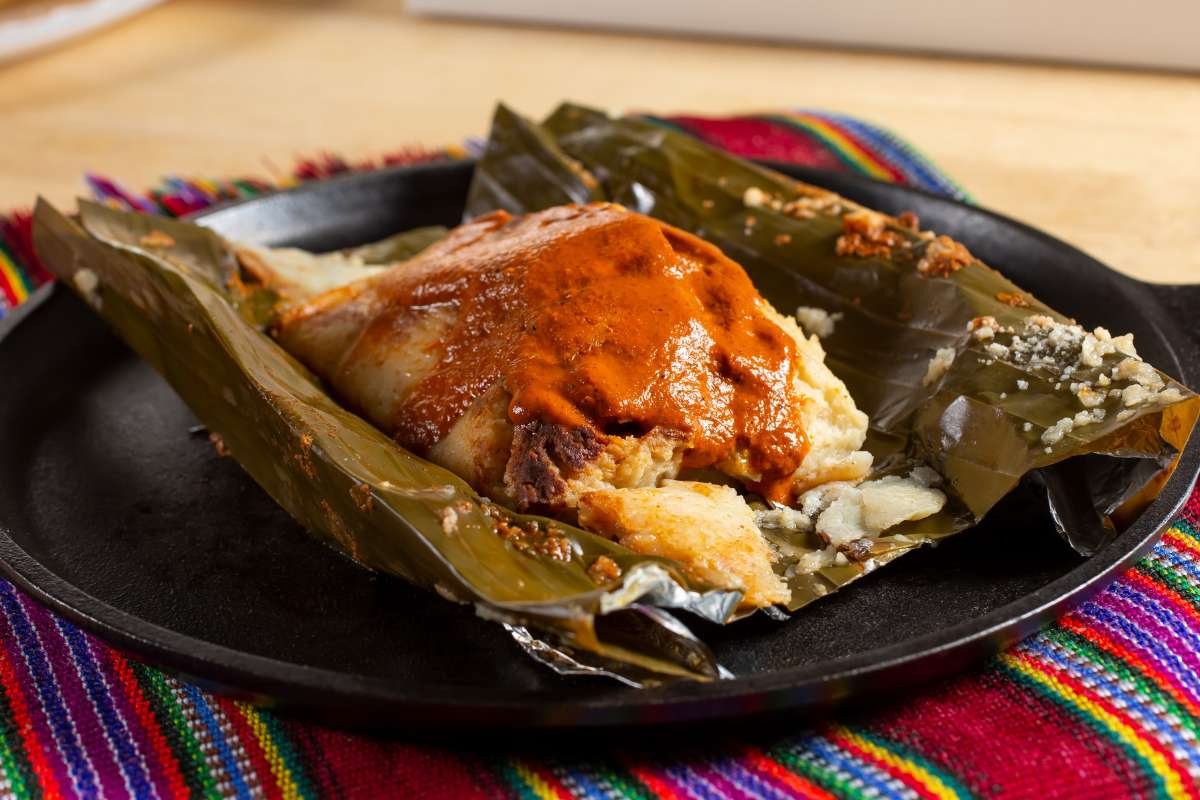
Tamales are food, but they are also time.
In Guatemala, tamales and related preparations often involve masa, filling, wrapping, cooking, and sharing. Tamales may be prepared for holidays, family gatherings, special occasions, or everyday enjoyment depending on the type and context.
Chuchitos are smaller masa-based preparations often wrapped and steamed. Paches are associated with potato-based masa and are often connected with particular days or household traditions, though practice varies.
These foods help travelers understand that some dishes are not fast food, even when they are sold in markets or eaten casually. They carry technique, timing, and social meaning.
Everyday Foods, Market Snacks, and Street-Side Eating
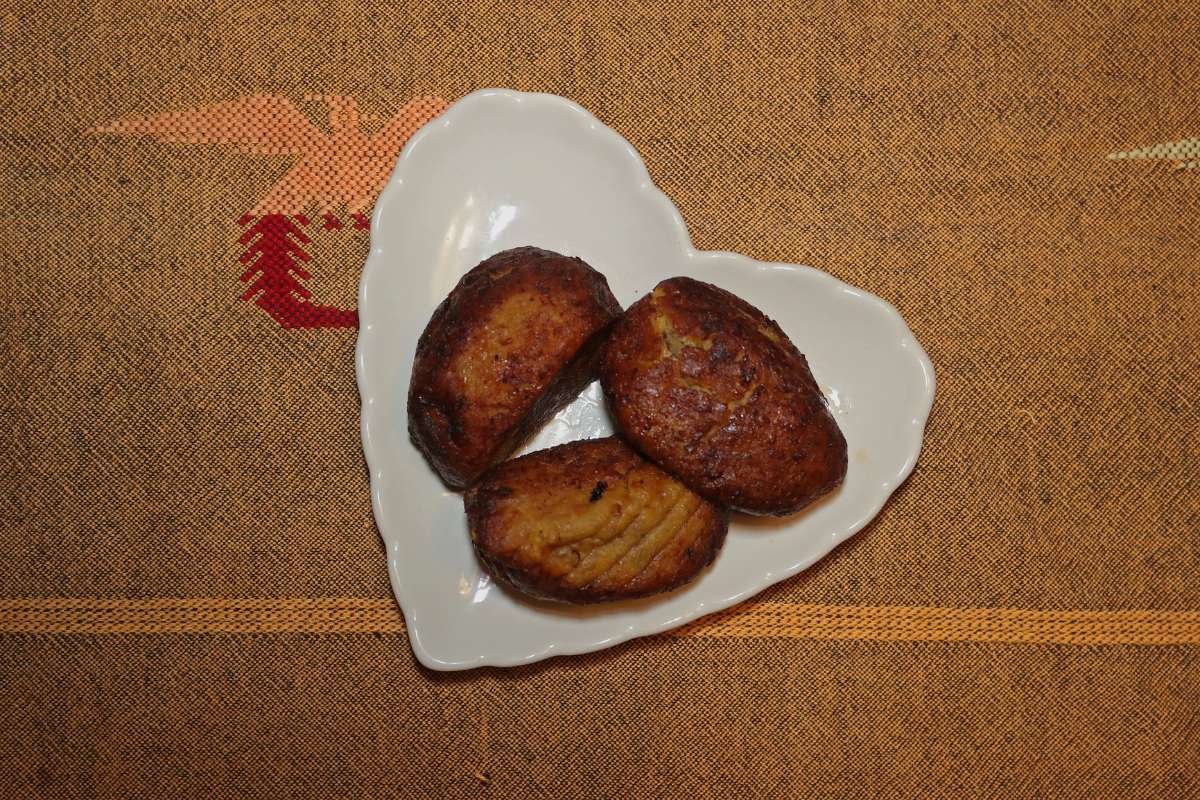
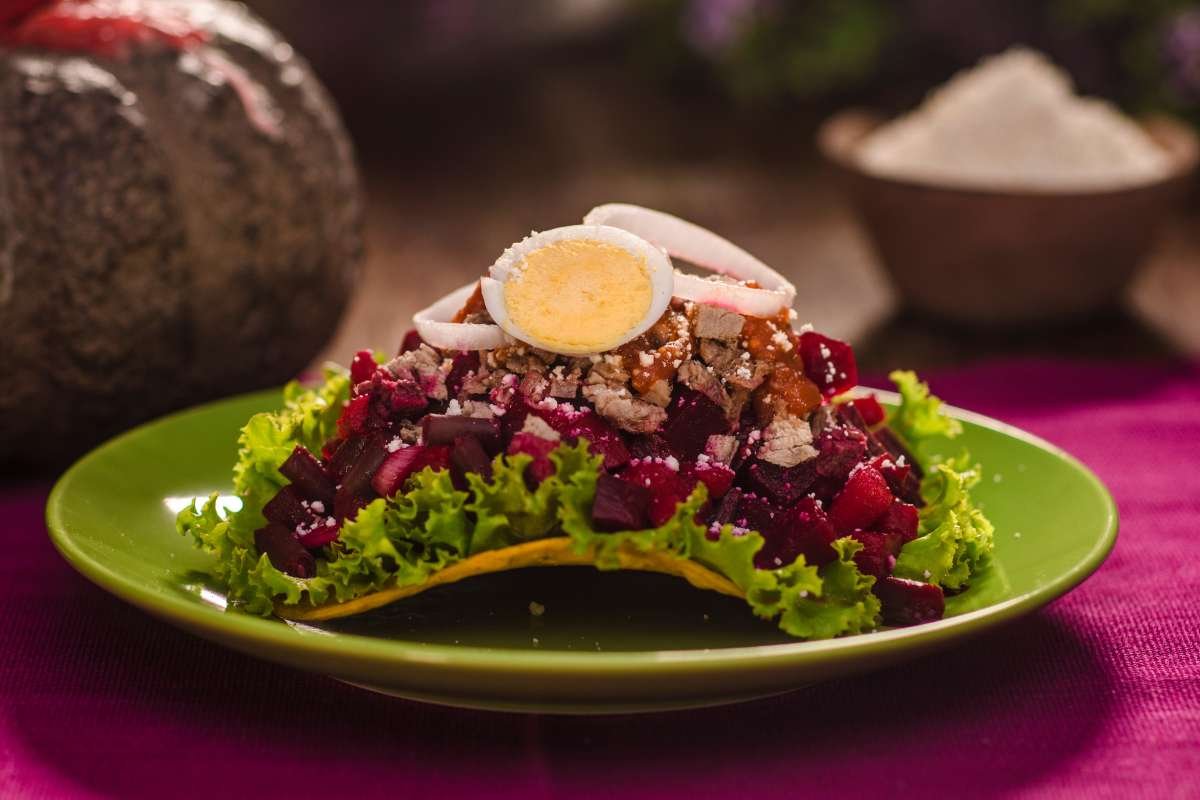
Not every food experience in Guatemala needs to be formal. Tostadas, enchiladas guatemaltecas, garnachas, mixtas, dobladas, rellenitos, fresh fruit, breads, sweets, and market snacks can all help travelers experience daily food culture.
Rellenitos, made with plantain and often filled with sweet black bean paste, show the way Guatemalan food can combine familiar ingredients in unexpected forms. Tostadas and garnachas show how texture, salsa, toppings, and freshness can shape small everyday meals.
The important point is not to rush through a list of things to try. The stronger experience comes from understanding where and how food is eaten: at home, in markets, at family gatherings, during travel days, and in places where vendors have served communities for years.
Regional Identity in Guatemalan Cuisine
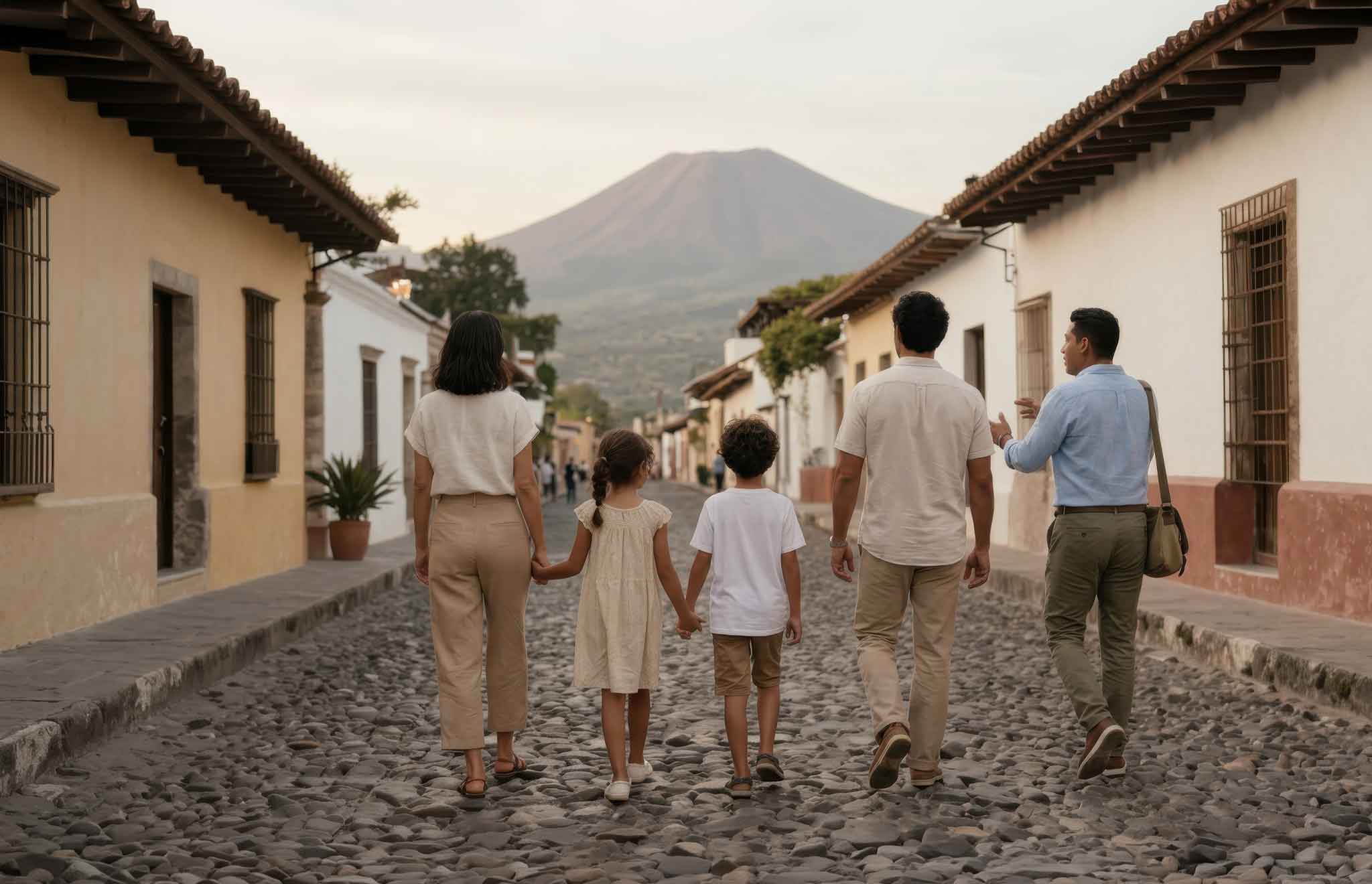
Guatemala’s food changes with region, altitude, climate, history, and community. Travelers who move through the country with attention will notice that food can feel different in Antigua, Lake Atitlán, the Highlands, Alta Verapaz, Petén, and Livingston.
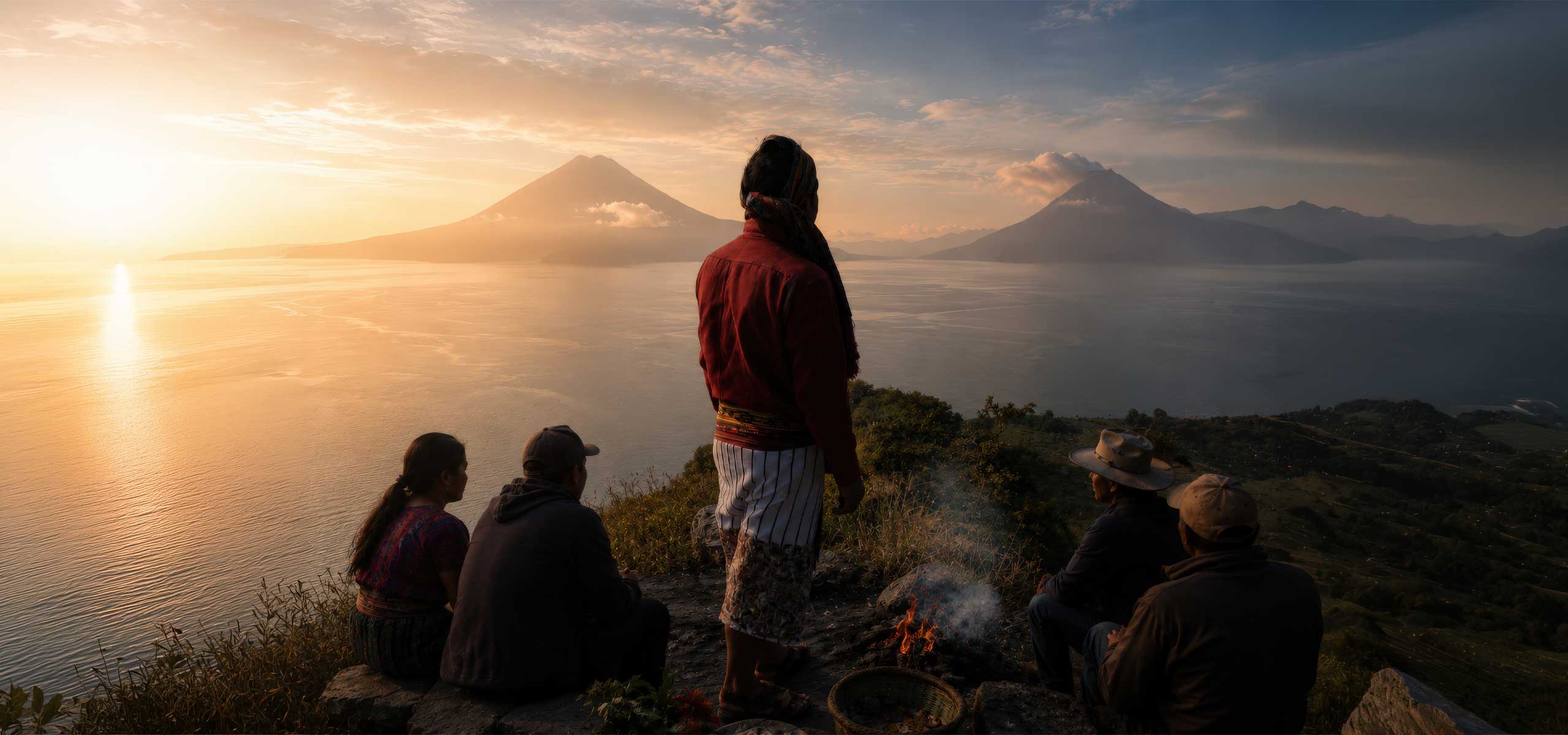
Antigua Guatemala may offer cooking classes, cafés, chocolate experiences, restaurants, and markets within a historic setting. Lake Atitlán brings food into conversation with lakeside towns, Maya communities, agriculture, and slower travel rhythm. The Highlands invite deeper attention to markets, textiles, seasonal produce, and daily exchange.
Petén connects food with rainforest landscapes, ancient Maya city experiences, and travel routes around Tikal and Yaxhá. Livingston and the Caribbean coast add Garifuna influence, coconut, seafood, and a coastal identity that differs from the highlands.
Coffee, Cacao, and Meaningful Food Experiences
Coffee and cacao deserve special attention in Guatemala because they connect food and drink with land, labor, agriculture, history, and travel experience.
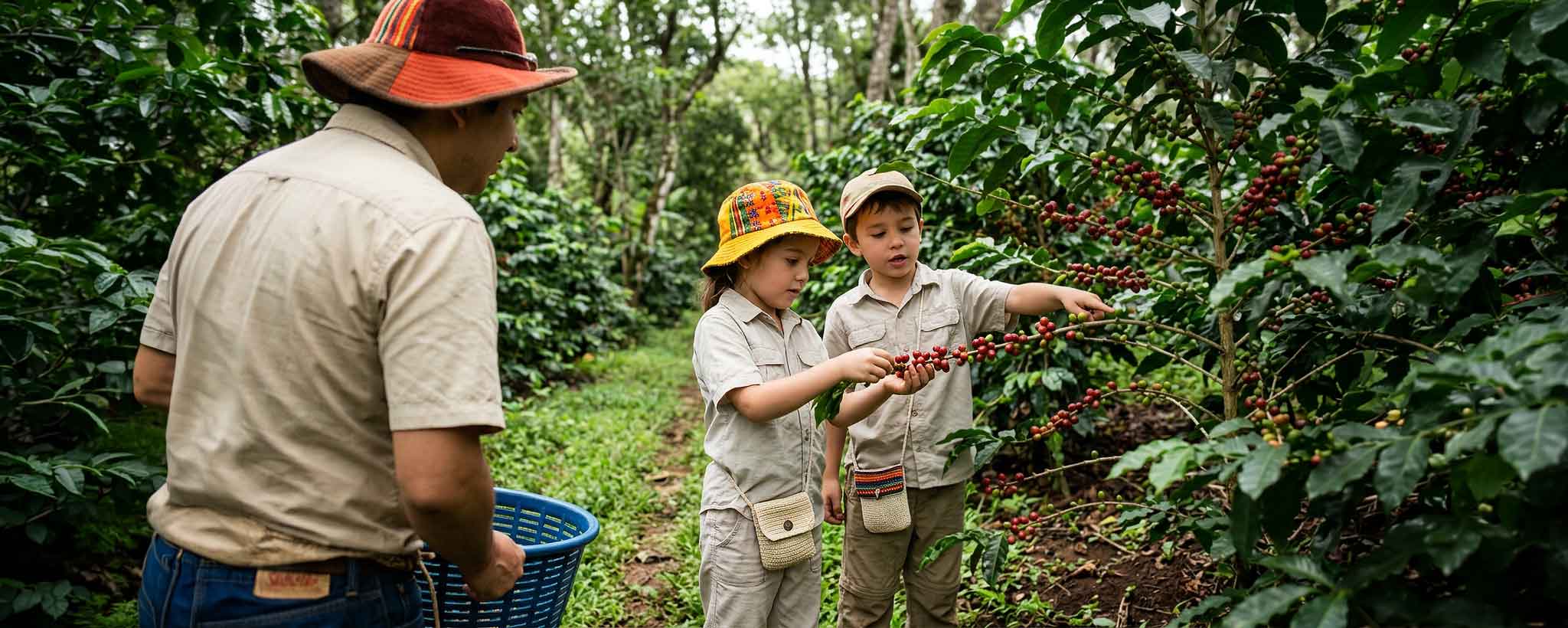
A coffee farm visit can help travelers understand elevation, climate, harvest, processing, roasting, and the human work behind a cup. A cacao or chocolate experience can open a conversation about ancient use, contemporary production, family workshops, and the difference between tasting chocolate and understanding cacao as a cultural and agricultural product.
These experiences should not be framed only as treats. They can be educational, sensory, and deeply connected to place when guided with care.
Traditional Drinks in Guatemala
Guatemalan drinks are part of the food story, too. Travelers may encounter atoles, horchata, rosa de Jamaica, ponche, coffee, and cacao-based drinks depending on season, place, and context.
Atoles are especially important because they connect corn, warmth, nourishment, and daily life. Ponche may appear in seasonal or festive settings. Coffee and cacao can become entire experiences when travelers visit farms, workshops, or local producers with someone who can explain what they are seeing.
How to Visit Guatemalan Markets with Respect
Markets are among the best places to understand Guatemalan food, but they should never be treated as stage sets for travelers.
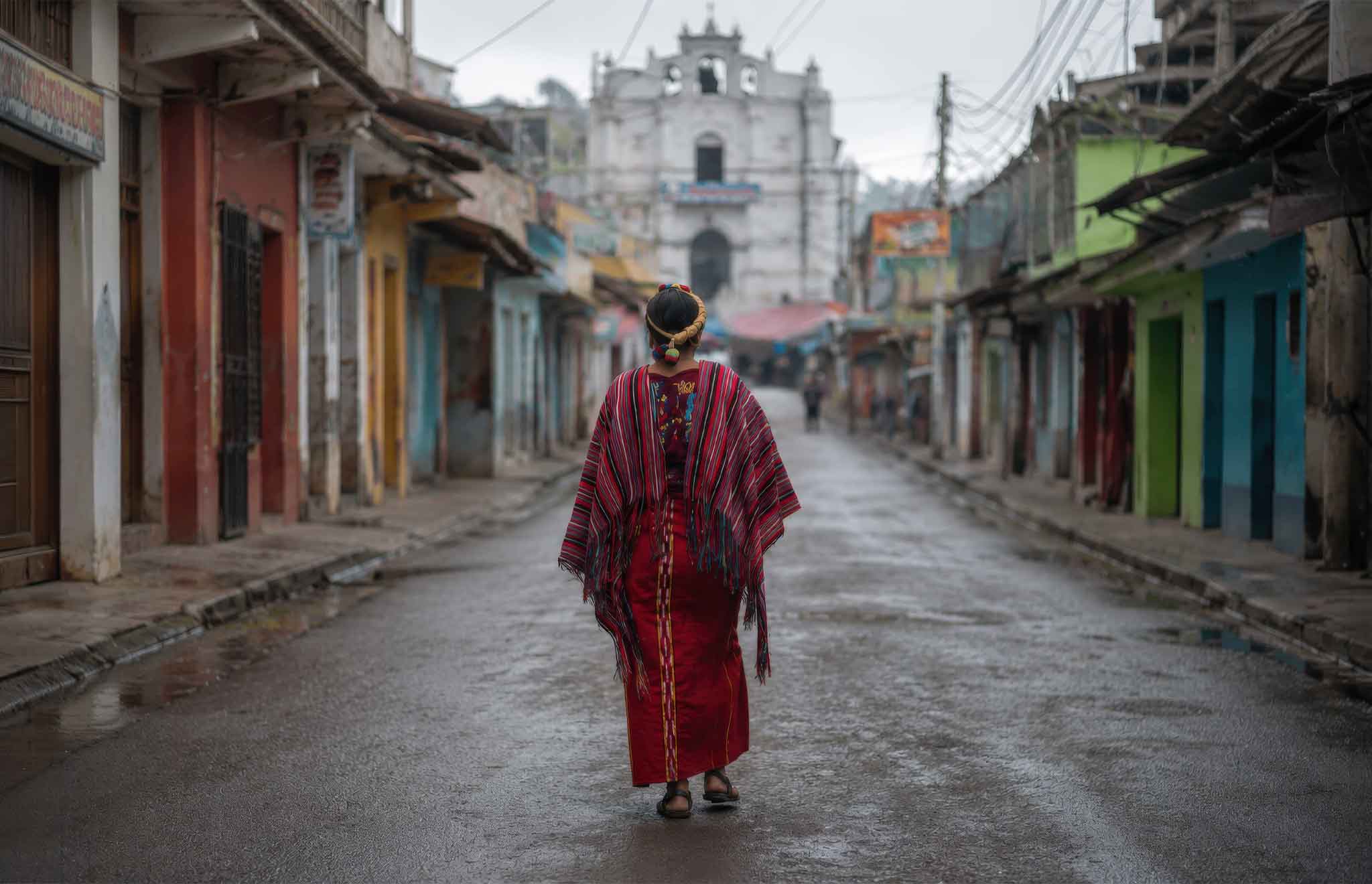
A Guatemalan market is a place of work, exchange, daily shopping, family life, regional knowledge, and community rhythm. Vendors are working. Families are buying food. Ingredients are moving from farms and producers into kitchens. Languages, colors, smells, and sounds are part of the experience, but they should not be reduced to decoration.
Travelers should ask before photographing people, buy with courtesy, respect personal space, and remember that the market is first a place of daily life. A guided market visit can help travelers understand what they are seeing without interrupting or treating people as scenery.
Good market interpretation can explain ingredients, regional produce, seasonality, traditional uses, and food preparation. It can also help travelers know when to observe, when to ask, when to buy, and when simply to move with respect.
Is Guatemalan Food Spicy?
Guatemalan food is usually more layered than fiery. Some dishes include chilies, and sauces or condiments may add heat, but many traditional meals are flavorful rather than extremely spicy.
This is useful for travelers and families who may be cautious about food. In many cases, spice can be adjusted, sauces can be served separately, and guides can help travelers choose dishes that fit their comfort level.
Practical Food Guidance for Travelers
Travelers do not need to try everything to travel well.
A thoughtful culinary journey should respect curiosity, comfort, dietary needs, health considerations, and personal rhythm. Some travelers want to taste widely. Others prefer to learn through a guided market visit, a coffee farm, a cacao workshop, a cooking class, or a few carefully chosen meals.
For families, private groups, and travelers with dietary restrictions, guide support matters. A local guide can help explain ingredients, communicate preferences, choose appropriate places to eat, and avoid turning food into a source of stress.
Meaningful food travel is not about proving bravery. It is about understanding more of Guatemala with respect and attention.
How Food Experiences Can Fit into a Private Guatemala Journey
Food experiences can be included naturally in a private Guatemala itinerary when they support the purpose and rhythm of the journey.
A traveler interested in culture might combine Antigua, Lake Atitlán, markets, coffee, cacao, and Maya heritage interpretation. A family might prefer lighter hands-on experiences, flexible meals, and a guide who knows when to slow the day. A culinary traveler may want deeper market visits, cooking classes, regional dishes, and conversations with local hosts.
Martsam’s advantage is not simply arranging a tasting. It is connecting food with place, people, guides, route design, comfort, and cultural context. A private journey can give travelers time to understand why a dish matters, where ingredients come from, and how food belongs to the living story of Guatemala.
Frequently Asked Questions About Traditional Guatemalan Food
What is traditional Guatemalan food?
Traditional Guatemalan food includes dishes, ingredients, and cooking practices shaped by corn, beans, chilies, recados, regional agriculture, family kitchens, Maya heritage, Spanish colonial history, Caribbean influence, markets, and daily community life. It is not one single cuisine but a diverse food culture with strong regional identity.
What foods is Guatemala known for?
Guatemala is known for dishes such as Pepián, Kak'ik, Jocón, Hilachas, Subanik, tamales, chuchitos, paches, rellenitos, tostadas, garnachas, and tapado, among others. Travelers should also pay attention to corn, recados, coffee, cacao, atoles, market foods, and regional ingredients.
What is Pepián?
Tortillas made from corn are a staple served
Pepián is a traditional Guatemalan dish often prepared as a recado-based stew with meat and a rich sauce made from toasted, ground, and simmered ingredients. It is one of the best dishes for understanding the depth and technique behind Guatemalan recados.
nearly every meal in Guatemala, used to scoop food or as a side with stews and soups.
What is Kak'ik?
Kak'ik is a turkey soup commonly associated with Q'eqchi' Maya food traditions, especially in parts of Alta Verapaz. It should be understood with care and context because it carries regional and cultural meaning rather than representing all Maya or Guatemalan food.
What are recados in Guatemalan food?
Recados are deeply flavored sauces or bases used in many Guatemalan dishes. They may include tomatoes, tomatillos or miltomate, chilies, seeds, herbs, spices, and toasted or ground ingredients. A recado often gives a dish its body, color, aroma, and identity.
IIs Guatemalan food very spicy?
Guatemalan food is often flavorful and layered rather than extremely spicy. Some dishes include chilies, and some sauces add heat, but many meals are approachable for travelers. A guide can help explain dishes and suggest options that fit personal comfort.
What drinks should travelers try in Guatemala?
Travelers may try atoles, horchata, rosa de Jamaica, ponche, Guatemalan coffee, and cacao or chocolate drinks depending on place and season. Coffee and cacao experiences can be especially meaningful when they include context about agriculture, production, and local knowledge.
How can travelers experience Guatemalan food respectfully?
Travelers can experience Guatemalan food respectfully by learning context, visiting markets with courtesy, asking before photographing people, buying from vendors respectfully, listening to guides and local hosts, and avoiding language that treats dishes or communities as exotic entertainment.
Can food experiences be included in a private Guatemala itinerary?
Yes. Food experiences can be woven into a private Guatemala journey through guided market visits, cooking classes, coffee farm visits, cacao workshops, traditional meals, regional food stops, and conversations that connect dishes with culture, agriculture, and place.