Rediscovering the Mayan World through Community-Based Tourism: Culture, Sustainability, and Authentic Connection
In the heart of Mesoamerica, the Mayan world invites travelers to go beyond the surface—into the rhythm of daily life, the pulse of tradition, and the promise of sustainability. Community-based tourism in this region isn't just an alternative—it's a deeply immersive experience that respects local heritage, supports Indigenous economies, and fosters lasting cultural connections.
With a focus on meaningful exchange, travelers are welcomed into communities where ancient traditions are preserved and actively shared. From cooking tamales over an open fire to learning ancestral weaving patterns, every activity bridges past and present. This is travel with intention—and with purpose.
Martsam Travel, a Destination Management Company (DMC) recognized for its unwavering commitment to community-based tourism, is at the forefront of these efforts. Collaborating closely with local communities, Martsam Travel supports grassroots initiatives that empower residents while preserving the cultural and natural integrity of the destinations where they operate.
A Living Culture: The Enduring Legacy of the Mayan Civilization
The Mayan civilization lasted over 3,000 years and is one of humanity's most enduring cultural legacies. Known for their extraordinary achievements in astronomy, architecture, and mathematics, the Maya built an advanced society whose influence is still felt today.
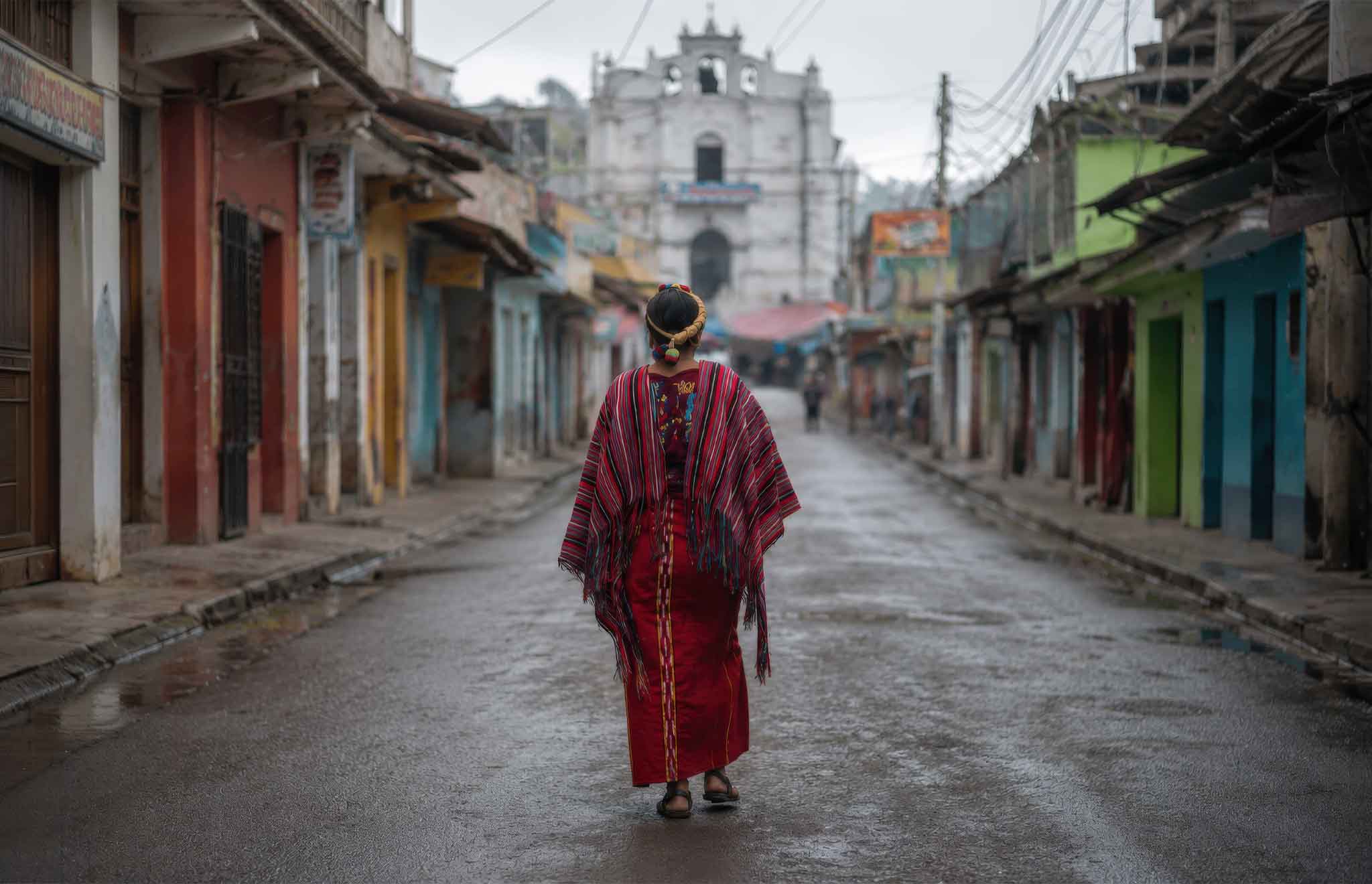
Across southern Mexico, Guatemala, Belize, Honduras, and El Salvador, remnants of great cities like Tikal and Copán rise from lush jungle canopies—testimonies to ingenuity and spiritual depth. Yet the Mayan world is far from static. Its culture thrives through living traditions, from ceremonial dances to vibrant textiles created by local artisans, woven with symbols that echo millennia of cosmology and identity.
Travelers who choose community-based tourism don't just observe this heritage—they become part of its story. Through respectful engagement, they gain insight into the Mayan worldview, language, and rituals while contributing to the preservation of cultural knowledge passed down through generations.
Empowering Communities Through Tourism

Community-based tourism is a transformative force in the Mayan region—one that redistributes the power of travel into the hands of local communities. Rather than profits funneling into external corporations, CBT initiatives keep economic benefits local, creating jobs, funding education, and building infrastructure in often underserved areas.
Travelers directly support families who are stewards of their land and traditions by participating in cultural workshops, homestays, and guided nature tours. This model helps sustain local livelihoods and encourages youth to take pride in their heritage, reversing migration patterns and cultural erosion.
Martsam Travel plays a pivotal role in this ecosystem. It works with communities to design responsible travel experiences that align with their needs and aspirations.
Sustainability Rooted in Tradition
Sustainability is not a modern invention in the Mayan world—it is ancestral wisdom. Mayan communities have long understood the importance of balancing human activity and the environment. Community-based tourism amplifies this ethos through regenerative practices.
Eco-lodges built from locally sourced materials, rainwater harvesting systems, and composting toilets are just a few of the innovative approaches being adopted. Many communities engage in agroecology and permaculture, offering travelers the chance to learn about traditional farming techniques like milpa and forest gardening.
Guests can assist in conservation projects ranging from reforestation to wildlife monitoring. These experiences benefit the environment and foster a deeper connection between travelers and the land they are privileged to explore.
Where to Go: Immersive Destinations in the Mayan World

The Mayan region is vast and diverse and has opportunities for culturally rich, sustainable travel.
- Yucatán Peninsula, Mexico: Beyond the grandeur of Chichen Itzá, travelers can connect with local hosts in rural villages where cenote preservation, culinary workshops, and medicinal plant walks are part of daily life.Travelers who want to combine these experiences with a broader private itinerary can explore our Mexico tour packages, including routes through Yucatán, Chiapas, Central Mexico, and the Riviera Maya.
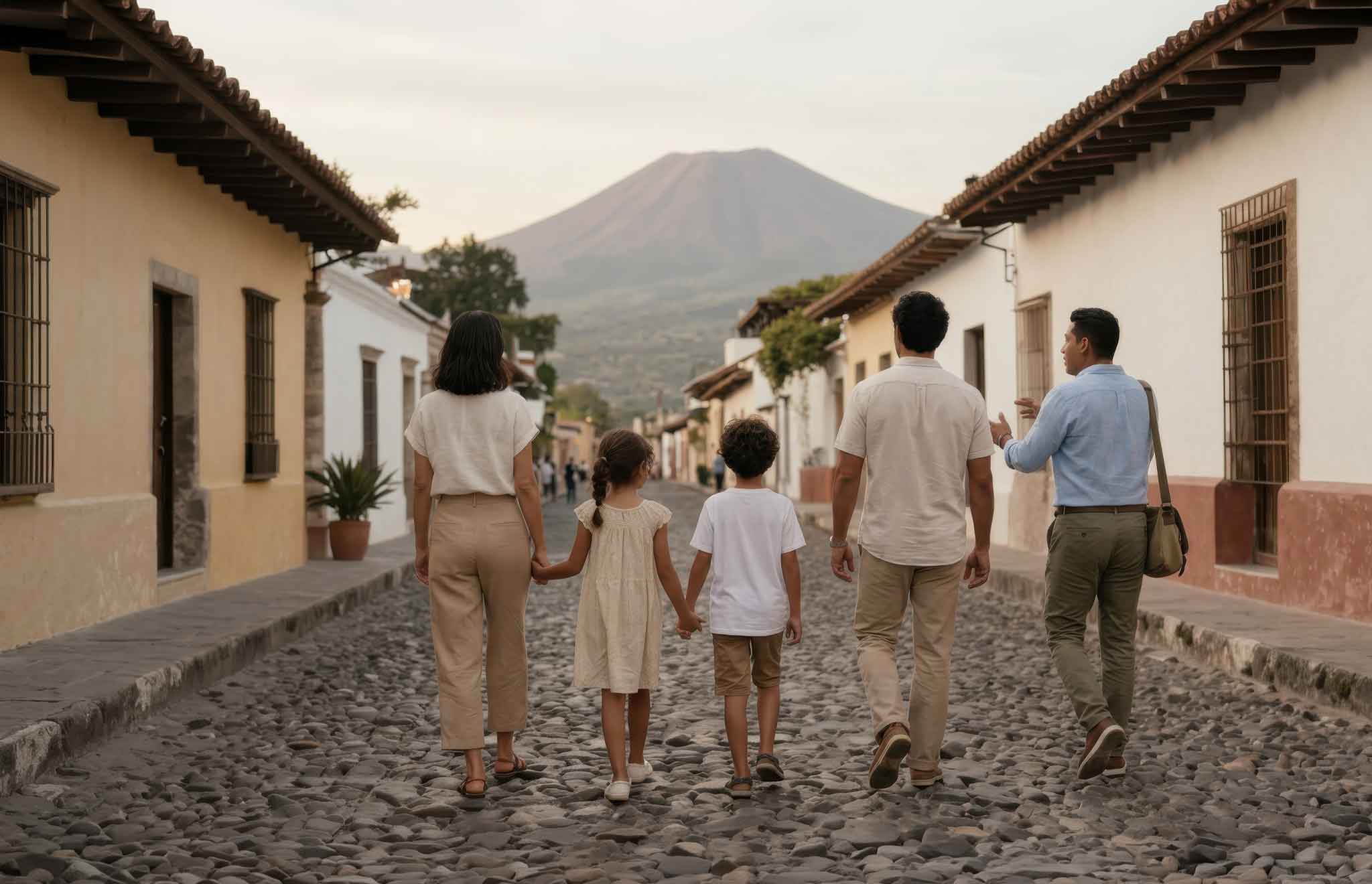
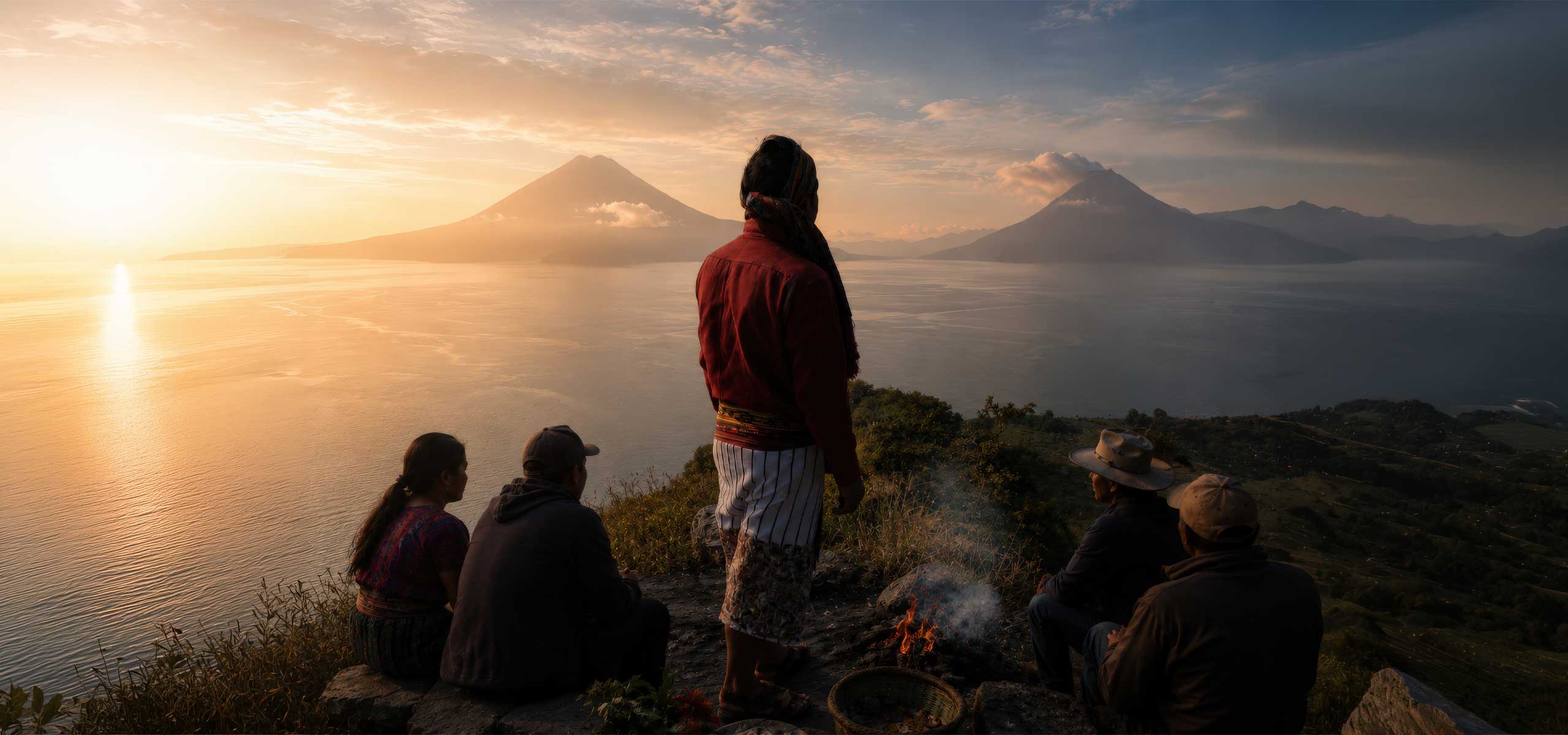
- Guatemala's Highlands: Around Lake Atitlán, visitors are welcomed into Tz'utujil and Kaqchikel communities for textile weaving, spiritual ceremonies, and mountain treks through coffee and avocado plantations. Martsam Travel, based in Guatemala, Belize, and Mexico, specializes in crafting bespoke itineraries highlighting this highland region's essence while ensuring ethical engagement.
- Southern Belize: In the Toledo District, cacao farming cooperatives, drumming circles, and jungle homestays offer unforgettable insights into Q'eqchiQ'eqchi' and Mopan Maya lifeways. Nature lovers can explore the nearby Maya Mountains and coral reefs on conservation-centered tours.
Each destination offers distinct experiences but shares a common thread: a genuine invitation to engage, learn, and respect.
Meaningful Encounters: Culture in Action

What sets community-based tourism apart is its emphasis on authentic, face-to-face exchange. Whether grinding corn with a host mother in her kitchen or hearing a village elder recount stories beneath the stars, these moments go far beyond sightseeing.
- Cultural Workshops: Learn to craft your textile, hand-build pottery, or create traditional instruments using natural materials.
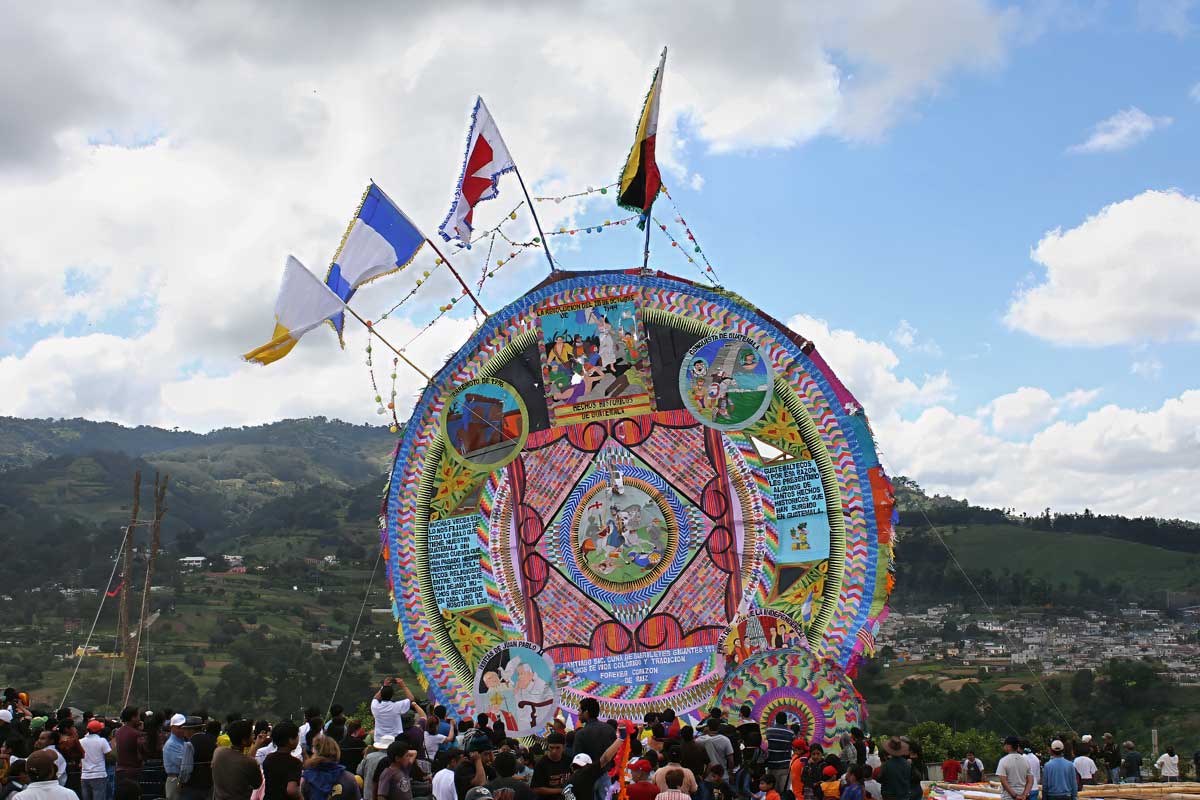
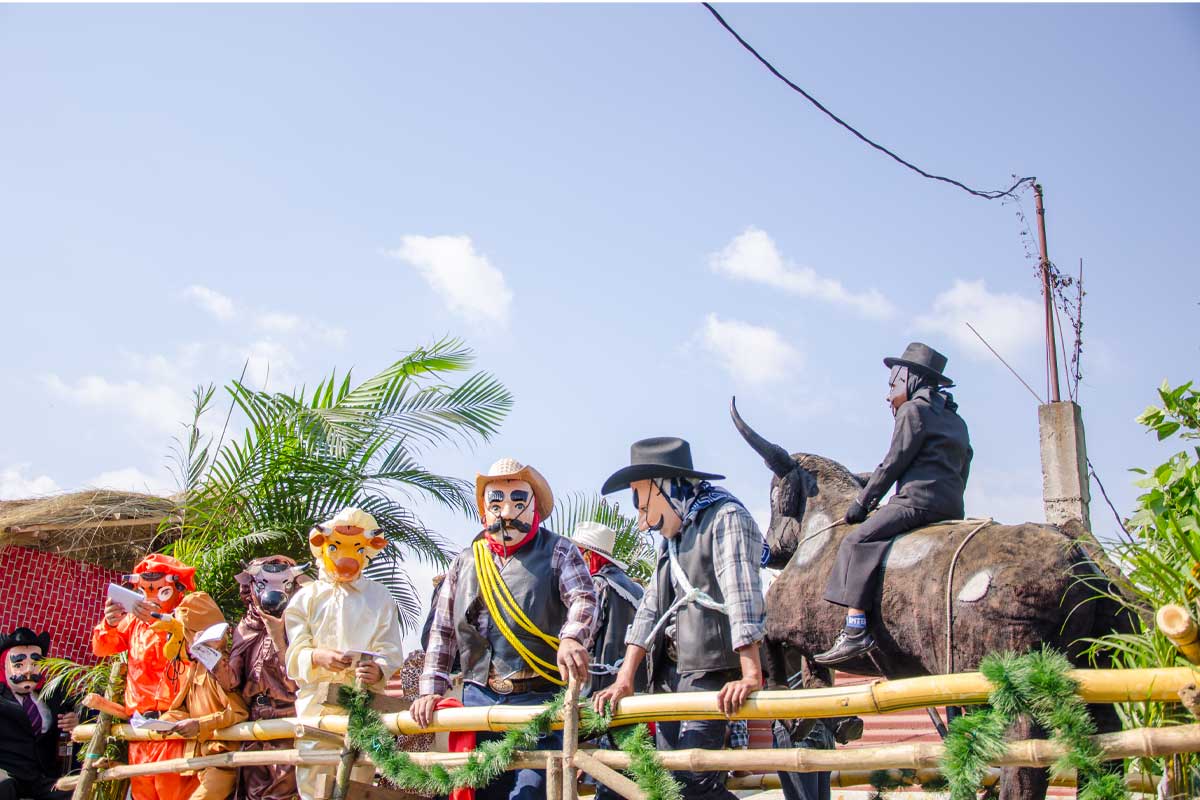
- Festivals and Ceremonies: With respectful guidance, witness sacred rituals tied to the Mayan calendar or join in seasonal fiestas' vibrant music and dance.
- Language and Storytelling: Many CBT programs offer opportunities to learn basic Mayan phrases or engage with oral history traditions that bring mythology and memory to life.
These shared experiences are not staged performances—they are everyday realities. They remind us that travel, at its best, is about connection.
Navigating Challenges—and Building Resilience
Despite its promise, community-based tourism in the Mayan region faces tangible hurdles. Limited infrastructure—roads, electricity, and access to purified water—can make reaching and sustaining remote areas difficult. Additionally, many communities may lack training in tourism management or English language skills.
Organizations have an opportunity to help bridge these gaps by offering capacity-building workshops, marketing support, and ethical tourism frameworks that prioritize community voices. Empowering locals as decision-makers ensures tourism development remains rooted in respect and equity.
One such initiative is led by Martsam Travel, whose Pure Water Pathways Program addresses rural Guatemalan communities' lack of clean drinking water. This initiative enhances the quality of life and supports the sustainable growth of tourism by tackling one of the region's most basic needs. You can join this meaningful effort and learn more here: Pure Water Pathways Program.
Another complex challenge is cultural commodification. When traditions are adapted to meet tourist expectations, authenticity can be diluted. Maintaining a balance between openness and preservation requires constant dialogue—and travelers must approach with humility, curiosity, and consent.
How You Can Support Responsible Travel

As a traveler, your choices matter. To support community-based tourism in the Mayan world:
- Book with trusted operators like Martsam Travel, which has long-standing partnerships with local communities.
- Participate with intention. Choose homestays, workshops, and tours led by Indigenous hosts.
- Educate yourself. Learn basic cultural protocols and phrases in the local language. Respect sacred spaces.
- Advocate. Support policies and organizations that uphold Indigenous rights, environmental protection, and cultural heritage.
- Leave a positive footprint. Whether planting trees, buying local crafts, or simply listening with empathy—your impact is more significant than you think.
Reflections from the Road
Many travelers describe their experiences with community-based tourism in Mayan as profoundly transformative.
"Sharing a meal with a family in San Juan La Laguna changed my understanding of what travel could be," says Chloe, a visitor from France. "I didn't just learn about their life—I was part of it, even just for a day."
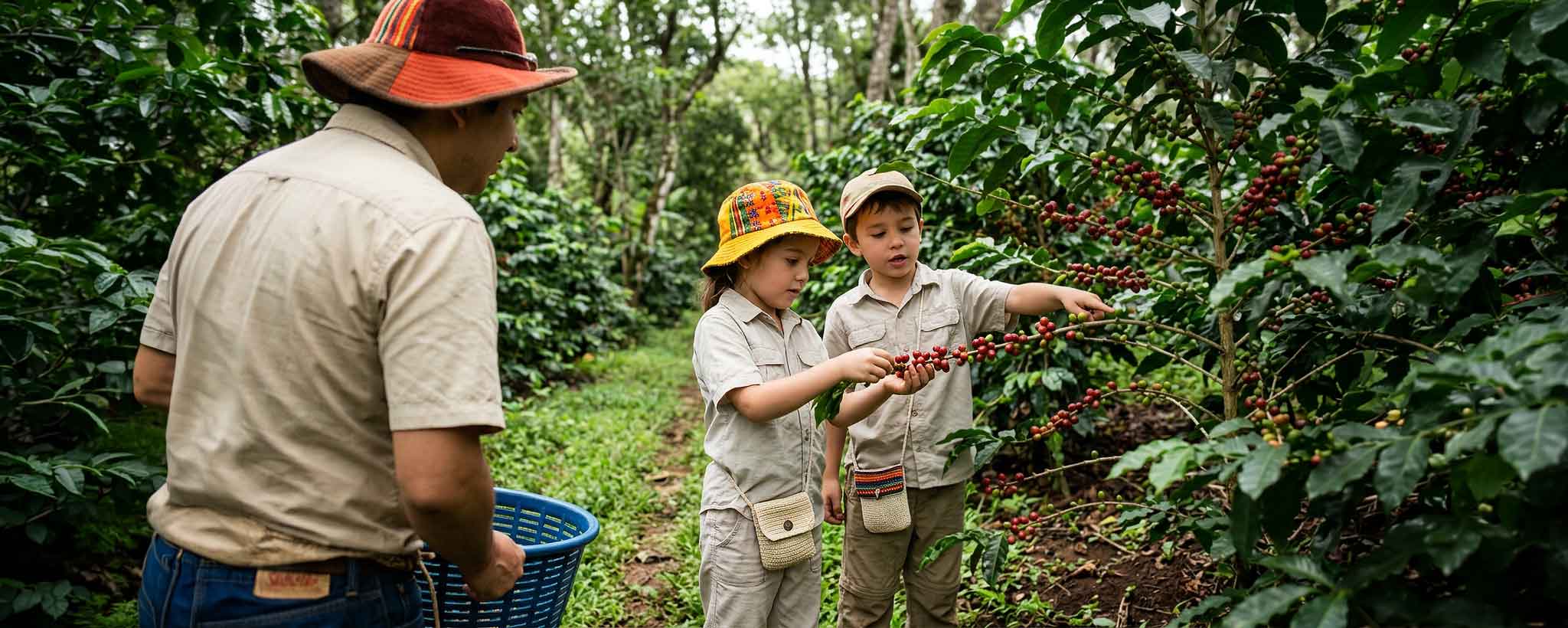
"I joined a sustainable coffee tour on the slopes of Agua Volcano in Antigua through a program Martsam organized. Walking through coffee fields and learning the bean-to-brew process directly from local farmers was fulfilling," Aaron from New York shares. "It gave my trip a meaning I wasn't expecting."
These encounters often leave a lasting impression, creating memories that are more than souvenirs—they are lessons in empathy, resilience, and shared humanity.
Looking Ahead: A Shared Vision for the Future
Community-based tourism holds immense potential in the Mayan world—not only as a tool for sustainable development but also as a way to build bridges between cultures. By centering local voices, honoring heritage, and protecting ecosystems, CBT paves the way for a tourism model that is inclusive, resilient, and genuinely enriching for all.
Martsam Travel remains at the forefront of this movement, committed to partnerships that uplift communities and preserve the region's treasures—its people, landscapes, and stories.
The future of travel is rooted in responsibility. With wisdom, beauty, and strength, the Maya world invites visitors to connect genuinely.